
What to Serve with Sandwiches: Boost Restaurant Profit
· Thibault Le Conte
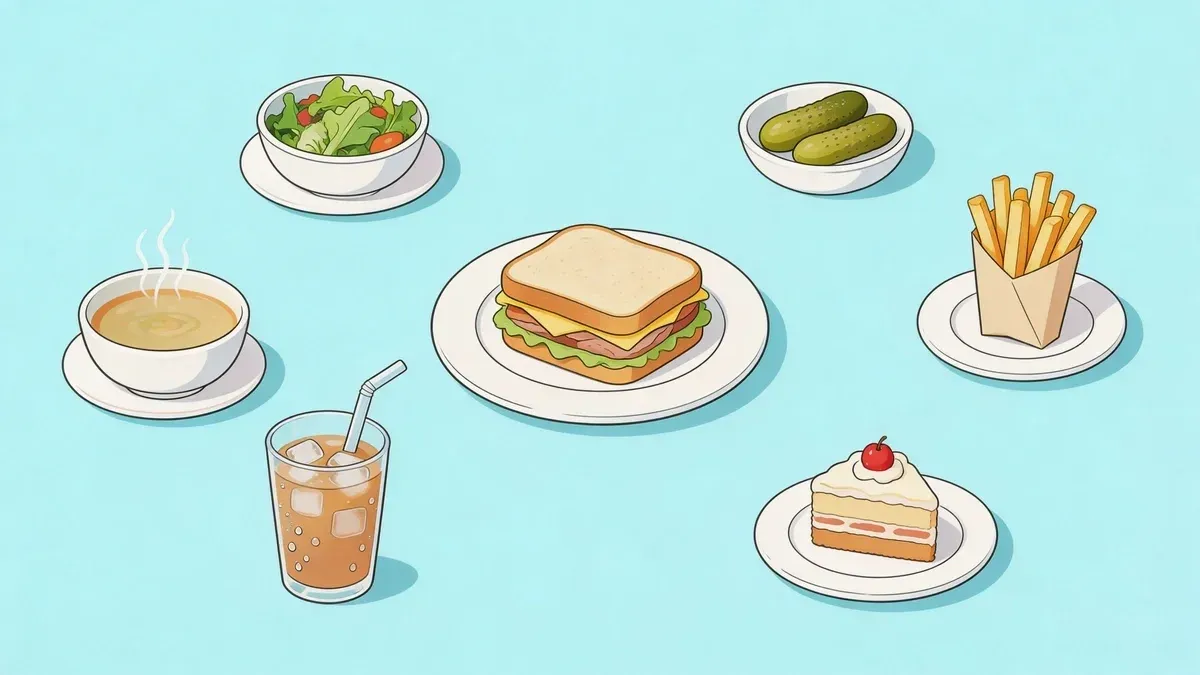
It is 12:15 p.m. The sandwich station is buried, third-party tickets are stacking up, and a $14 order leaves the kitchen at $14 because nobody attached a drink, chips, sauce, or dessert. This highlights the core problem behind the question of what to serve with sandwiches.
Operators usually dial in the hero item first. Bread, protein, build, and speed get attention. Sides often get added later, with less discipline. That creates expensive friction: cashiers skip the upsell, delivery menus bury the best add-ons, hot sides die in bad packaging, and healthier options are missing from the app even when they exist in-house.
For sandwich shops, delis, cafes, and lunch-driven fast casual brands, sides are not filler. They are margin, ticket growth, and throughput control. A good side program gives guests obvious pairings at the counter, cleaner modifier logic in the POS, and stronger average order value on delivery without slowing the line.
The practical question is not which side tastes good next to a sandwich. The practical question is which side fits your labor model, holds quality long enough for pickup or delivery, and can be promoted automatically through your ordering flow.
That is why this guide treats side dishes as an operating system, not a recipe list. Each option below connects back to profitability, execution, and menu logic. If you are refining combo structure, tightening third-party menus, or updating prompts in your POS, tools like menu design software for restaurant operators help turn a side recommendation into a repeatable sales process.
The strongest sandwich menus do three things well. They keep one or two easy default pairings, add low-labor items that lift margin, and reserve a few premium or health-forward options for customers who want a different trade-off. The sections below break down the side categories that earn their spot because they sell, travel, and fit real restaurant workflows.
1. The Classic Upsell Crispy French Fries and Hot Sides
Fries are still the default answer for what to serve with sandwiches because customers understand the combo instantly. There’s no education required. If someone orders a cheesesteak, club, burger, or chicken sandwich, fries are the easiest yes on the menu.
That’s why hot sides deserve strict systems. They’re simple to sell and easy to mess up.
Why fries matter in restaurant delivery
French fries appeared in several source lists within the verified pairing roundup, showing how often they come up as a standard companion item in sandwich menus built for broad appeal. They’re one of the highest-volume add-ons you can move through a fast lunch line or a delivery-heavy operation.
The trade-off is quality decline in transit. Fresh fries hold for a short window. If your bagging station, expo line, and handoff process aren’t tight, they’re the first item customers complain about.
Five Guys and Shake Shack built recognizable fry identities around consistency. Independent operators should think the same way: not “do we have fries?” but “can we execute fries the same way every time, in-house and on delivery?”
Practical rule: If your fries don’t survive the average delivery trip, don’t push them as your lead side until packaging and timing are fixed.
What works and what doesn’t
What works:
- Vented containers: Steam escapes, so fries stay crisp longer.
- Portion controls: Scoops or scales protect margin and keep tickets consistent.
- Modifier mapping: “Extra crispy” and “no salt” should print clearly in the kitchen.
What doesn’t:
- Closed foam boxes: They trap moisture fast.
- Loose portioning: One cook gives a full basket, another gives half.
- Comment-field reliance: Staff miss custom fry requests when they live only in app notes.
If fries are one of your top attachment items, build combo logic around them in your menu software. Strong menu design software for restaurants pays off, as it helps you surface fries as the first upgrade, not as an afterthought buried under modifiers.
For operators using Uber Eats and DoorDash, OrderOut can also push modifiers into the kitchen flow instead of leaving them trapped on separate tablets. That saves staff time and reduces remake risk during rushes.
2. The Refreshing Contrast Coleslaw
Coleslaw earns its place because it solves two problems at once. It balances rich sandwiches, and it’s easy to prep ahead.
Pulled pork, fried chicken, hot pastrami, Nashville hot, and fish sandwiches all benefit from something cold, crisp, and acidic on the side. That flavor contrast keeps the meal from feeling heavy. On the operations side, slaw gives your kitchen a side dish that doesn’t need fryer space during the lunch rush.
Why coleslaw is efficient in restaurant operations
In the verified data, coleslaw appears in many top side lists. That matches what many operators already see in practice. It’s familiar, flexible, and easy to batch.
Creamy slaw sells better with barbecue and fried items. Vinegar slaw works better if you want a lighter positioning or need a side that cuts through fatty proteins without adding dairy.
The mistake is treating all slaw the same. If you offer both, the POS has to separate them clearly. Otherwise, your kitchen gets vague tickets and your delivery customers get the wrong side.
How to run it cleanly on delivery apps
KFC made coleslaw feel standard. Barbecue restaurants made it a brand statement. You can choose either lane, but your process has to be precise.
Use tight-lid containers and bag cold slaw away from hot entrées. This keeps temperature more stable and avoids heat damage from sitting beside fries or soup.
A few practical habits help:
- Program exact side sizes: A 4-ounce and 6-ounce side should be different buttons, not verbal guesses.
- Build prep from sales history: Batch enough for peak periods, but don’t overproduce a mayo-based item that loses texture.
- Map choices clearly: If DoorDash shows “coleslaw,” your kitchen ticket should show “creamy” or “vinegar,” not a generic label.
For a delivery-first lunch shop, slaw is one of the best answers to what to serve with sandwiches because it supports both speed and quality. It also signals that your menu has more range than fries and chips alone.
3. The Zero-Labor Add-On Pickles and Pickle Spears
The lunch rush hits, tickets stack up, and nobody has time for a side that needs fryer space, extra assembly, or a remake risk. Pickles earn their place because they add value fast, hold for service, and create almost no labor drag.
That matters more than it sounds. A pickle spear gives a sandwich order a finished feel, but the key advantage is operational. It is easy to portion, easy to stock, and far less fragile than greens, fries, or cold deli sides during delivery.
Delis have used that logic for years. The pickle is part of the meal, not an afterthought.
Why pickles work so well online and off-premise
Pickles solve a specific problem for sandwich operators. They survive transport without losing texture, they do not depend on precise pickup timing, and they rarely come back as a quality complaint if you package them correctly.
They also create a low-risk add-on that fits almost any concept. Burger shops, chicken spots, delis, and sandwich cafés can all sell pickle spears without adding a new station or slowing production.
The trade-off is margin visibility. A lot of operators give pickles away automatically and never measure the cost. Others forget to list them in online modifiers, which means guests never see the option and the store loses an easy add-on sale.
Set them up like a tracked product
Pickles should be configured the same way you would handle any other sellable side. If it can be added, removed, or substituted, it needs a clean path through your POS and delivery menus.
A practical setup looks like this:
- Create a distinct item or modifier: Use “Pickle Spear,” not a vague note field.
- Set rules by sandwich type: Include it with premium sandwiches if it supports your price point. Offer it as an add-on for entry-level items.
- Use prompts carefully: A forced modifier can raise attachment rate, but too many prompts slow online checkout.
- Keep packaging separate: Pickle brine against bread turns a good sandwich into a refund request.
If your delivery stack routes orders straight into the POS, these details matter even more. Extra pickles, no pickle, or a swap from spear to packaged chips should hit the kitchen as a clean ticket, not as a handwritten exception that staff can miss.
One more point. Track pickle inventory even if the product feels minor. Small, cheap items go out of stock all the time because nobody counts them until service breaks.
For operators working out what to serve with sandwiches, pickles are one of the few sides that improve perceived value, support delivery, and add revenue without adding labor.
4. The Comfort Combo Soup
A guest opens your delivery menu at 11:45, wants something warmer and more filling than chips, and does not want to build lunch from three separate add-ons. Soup solves that fast. It gives the sandwich a clearer meal structure, raises average check, and usually asks less of the line than another fried side.
Operators also get flexibility that fries do not offer. Soup works with grilled cheese, turkey, roast beef, tuna melts, paninis, and seasonal specials without forcing a new station setup for every pairing. For cafés and lunch-focused shops, that range matters.
Why soup earns its spot on the menu
Some side categories only fit a narrow band of sandwiches. Soup travels across the menu. Tomato with grilled cheese is the obvious example, but a rotating chicken tortilla, broccoli cheddar, or vegetable soup can also support higher-margin sandwiches that need a stronger companion than a pickle spear.
That pairing logic matters in your tech stack too. If soup is a strong profit driver, treat it like one in the POS and on delivery apps. Build preset combos such as “Half Sandwich + Cup of Soup” and “Full Sandwich + Bowl of Soup” instead of making guests add separate items one by one. Fewer clicks usually means better attachment rates, and the kitchen gets a cleaner ticket.
The other win is menu engineering. Soup lets you create comfort-oriented lunch bundles without discounting the core sandwich too hard.
Execution presents the primary trade-off
Soup can be a strong add-on. It can also create refunds if packaging and item availability are loose.
Hot liquid exposes weak operations quickly. Lids fail. Containers tip. Drivers stack bags badly. A soup that arrives spilled turns a profitable combo into a replacement order, a support issue, and a customer who may not come back.
The practical standard is simple:
- Use containers with secure locking lids.
- Keep cup and bowl sizes limited so staff do not hesitate at packing.
- Set realistic delivery zones based on driver reliability, not wishful thinking.
- Hold soup modifiers to what the kitchen can execute cleanly.
- Sync sold-out status across delivery channels the moment a batch runs out.
That last point is where operators usually lose time. A daily soup sounds easy until one location sells out at 1:10 and staff still have to remove it from Uber Eats, DoorDash, and Grubhub manually. If your ordering stack syncs menu availability automatically, the item disappears before you collect orders you cannot fulfill. OrderOut is useful here because it keeps menu updates and order flow in one system instead of forcing staff to babysit separate tablets.
Soup also needs tighter forecasting than operators expect. A daily special can help move product and create repeat visits, but only if prep volume matches demand. Too much leftover soup erodes margin. Too little cuts off one of the easiest combo sales on the menu.
Used well, soup is not just comfort food. It is a structured upsell that your POS, delivery menu, and inventory system should support from the first click to the final handoff.
5. The Healthy Alternative Garden or Composed Salads
A noon office order often falls apart on one detail. Five people want sandwiches. One person wants something lighter. If your only side options are fries and chips, that customer either substitutes mentally and settles, or drops from the order entirely.
A simple garden salad or composed vegetable side fixes that problem and widens who can say yes to your menu.
Why salads expand the sale
Salads give sandwich shops coverage across more lunch occasions. They help with group orders, appeal to customers who want a lower-carb or lighter meal, and create a higher perceived quality tier than a bagged side.
That only matters if the item is built to make money.
A side salad should be engineered like any other add-on. Limit the base. Limit the topping count. Use ingredients that cross over with sandwiches, wraps, or bowls so prep stays tight and waste stays controlled. Operators lose margin fast when a “healthy option” requires separate produce, separate labor, and daily guessing on shelf life.
Composed salads also give you more pricing room than operators often use. Customers usually expect to pay more for greens, premium vegetables, cheese, seeds, or protein add-ons. If your digital menu still prices salad swaps as a free accommodation, review your mix and margin logic alongside these restaurant dynamic pricing strategies.
How to make salads work operationally
Salads fail for different reasons than soup or fries. The issue is less about spill risk and more about speed, freshness, and menu discipline.
Use a short build:
- One house salad with 3 to 5 components
- One composed option that feels distinctive
- Dressings held on the side
- Add-ons that can be rung in cleanly through the POS
Keep the modifier tree tight. If staff have to read through a long list of greens, toppings, and dressing combinations during a lunch rush, ticket times climb and line accuracy drops. The better setup is a fixed base with a few profitable upgrades that map cleanly to your POS and third-party menus.
Delivery apps need the same discipline. Mark cold-side packaging clearly so salads are not bagged against hot sandwiches. Sync 86s across channels the moment key ingredients run out. Avocado, tomatoes, herbs, and specialty dressings create avoidable refunds when inventory is not updating in real time. OrderOut and similar systems help by keeping menu availability, modifier logic, and incoming orders aligned instead of forcing staff to correct mistakes after the fact.
There is also a merchandising angle. If you sell beer or have a broader casual menu, a composed salad can balance heavier sandwiches and support better pairing prompts. That same pairing logic shows up in this ultimate beer and burger pairing guide. Customers respond well when the menu feels curated rather than random.
The point is simple. A salad side is not there to check a health box. It helps you keep more group orders, raise average ticket on lighter meals, and serve a wider customer mix without adding a complicated station or slow prep path.
6. The Profit Engine Beverages
The lunch rush hits, sandwiches are moving, and the fastest profit on the board is usually sitting in a cooler or pouring from the soda line. Beverage attachment is one of the few upsells that can raise check average without adding meaningful ticket complexity or slowing the kitchen.
Operators should manage drinks like a systems category. If beverage sales depend on cashiers remembering to ask, attachment rates will swing by shift, training level, and line length. If the prompt lives in your POS and third-party ordering flow, the upsell happens every time.
Why drinks outperform many other add-ons
Customers already understand the meal pattern. Sandwich plus drink is an easy yes, especially at lunch, in offices, and in delivery orders where convenience matters as much as price. A bottled drink also travels better than many prepared sides and creates fewer quality complaints after 20 minutes in a car.
Margin matters, but so does execution. Fountain drinks can be highly profitable, yet they introduce fulfillment errors on delivery and pickup. Bottled beverages cost more, but they are easier to count, easier to stage, and easier to verify before the order leaves. The right mix depends on your channel mix, labor model, and packaging setup.
How to configure beverage sales in your tech stack
Build the beverage prompt into the order path instead of treating it like an optional extra buried at checkout. Your POS should support fixed combos, premium drink upgrades, and clean modifier rules. Your delivery menu should surface beverages near the sandwich, not on a separate screen customers may never open. A strong food online ordering system for restaurants helps keep those prompts, prices, and availability aligned across first-party ordering and delivery apps.
OrderOut and similar tools matter here because drinks create small but expensive mistakes. Out-of-stock bottled tea left live on DoorDash turns into refunds. Missing drink selections create staff follow-up. A disconnected tablet setup forces front-of-house staff to re-enter orders and guess at substitutions. Tight menu sync and direct POS routing cut that waste.
Beverages also give operators room to segment pricing without changing the core sandwich. House lemonade, cold brew, canned mocktails, and premium bottled drinks can carry better margins than standard soda if the brand supports it. Review sales mix by channel, then test which drinks belong inside the combo and which should stay as upgrades.
If you sell beer, pairings can increase perceived value and support a more deliberate menu story. This ultimate beer and burger pairing guide shows the principle clearly. The same logic works for sandwiches, whether you are pairing a roast beef panini with a lager or a turkey club with sparkling lemonade.
One more practical point. Beverage adjacencies can support retail snack sales without adding kitchen work. If your grab-and-go set includes protein bars or other healthy packaged snacks, place them near bottled drinks and sandwich pickup shelves to capture last-second add-ons from lunch customers.
7. The Shelf-Stable Solution Packaged Chips and Snacks
Packaged chips are the least glamorous side on this list. They’re also one of the safest.
If your kitchen gets slammed at lunch, chips give you a side option with no cook time, no prep labor, and no holding issues. They’re reliable, simple to count, and easy to bundle.
Why chips work for busy restaurant operations
Subway has used packaged chips for years because they’re easy to execute at scale. Independent cafés and delis benefit for the same reason. The product is stable, the choice is familiar, and the fulfillment process is almost mistake-proof.
That makes chips especially useful in sandwich concepts with limited back-of-house capacity. If your line is small or your fryers are already overloaded, packaged snacks let you keep offering combos without adding pressure to the kitchen.
Best use cases in online ordering
Chips perform best when they’re treated as structured choices, not an afterthought near checkout.
A few good ways to use them:
- Tier your options: Standard chips for the base combo, premium kettle chips as an upgrade.
- Bundle for speed: Sandwich plus chips plus drink is one of the simplest lunch packages to sell.
- Use visual prompts: Show chips early enough in the flow that customers see them.
If you want to improve sandwich-side bundling across channels, your food online ordering system for restaurants should support clean modifier logic and synchronized menu presentation across delivery apps.
For operators trying to offer a broader snack mix, this roundup of healthy packaged snacks can help with assortment ideas. The operational point is straightforward. A shelf-stable side lowers complexity while preserving upsell opportunities.
Chips don’t make your brand special. They make your line faster. That’s enough reason to keep them on many sandwich menus.
8. The Customization Driver Signature Sauce Packs
Sauce is one of the cheapest ways to make a sandwich feel specific to your brand.
A sandwich with standard mayo and mustard is easy to copy. A sandwich with a house chili crisp aioli, smoky garlic ranch, or herb yogurt dip is harder to replace. That difference matters when customers scroll delivery apps and compare similar items side by side.
Why sauces help both branding and revenue
Chick-fil-A turned sauce choice into part of the brand experience. Raising Cane’s did the same with a narrower menu and one especially recognizable sauce. The lesson isn’t that every restaurant needs ten dipping options. It’s that even small sauce decisions can create repeat demand.
For sandwich operators, sauces also solve a practical problem. Customers ask for extra sauce constantly. If that request stays buried in app notes, staff miss it. If it exists as a paid modifier, the order is clearer and the charge is captured.
How to operationalize sauce add-ons
Run sauces like menu items. Don’t leave them in the gray zone between “free condiment” and “special request.”
Strong setup looks like this:
- Build each sauce into the POS: Name it clearly and attach any extra charge there.
- Use app mapping: “Extra spicy aioli” should arrive as a line item, not as an easily missed comment.
- Limit the range: Two or three strong sauces are better than a sprawling list nobody can execute consistently.
If you want a useful framing for this, think of sauces as a soft version of exclusivity. They give regulars a reason to come back and ask for the same combination again. Restaurants experimenting with hidden options and off-menu demand often see the same pattern, which is why ideas around restaurant secret menus and custom ordering behavior are relevant here.
For Clover and Square users connected through OrderOut, this is also where error reduction becomes tangible. Paid sauces route into the ticket correctly, so the kitchen sees exactly what the guest bought.
9. The Impulse Buy Desserts and Sweet Treats
Dessert is where a sandwich order turns from functional to satisfying.
A cookie, brownie, rice crispy treat, or bar dessert doesn’t need much labor, but it does improve the sense that the customer ordered a complete meal. That’s valuable in both office lunch orders and late-day delivery, where impulse decisions happen fast.
Why desserts work well after sandwiches
Panera has long benefited from bakery add-ons because customers already trust the lunch purchase. The dessert piggybacks on that trust.
The same principle works for smaller operators. If your sandwiches are the primary draw, your dessert lineup doesn’t need to be huge. It needs to be visible, easy to package, and easy to add in one click.
Shelf-stable or partner-sourced desserts are the smartest route. A local bakery partnership can give you quality without the labor burden of producing everything in-house.
How to improve dessert attachment without slowing service
Online menu placement matters here. Put dessert prompts after sandwich selection or just before checkout. That captures intent while the customer still feels like they’re building a meal.
A few operational reminders:
- Protect the product: Brownies and bars need clamshells or boxes so they don’t get crushed.
- Keep the menu tight: Too many dessert SKUs create waste and decision fatigue.
- Use rotating options carefully: “Dessert of the day” can create novelty if inventory is synced properly.
If you operate a compact food concept and want examples of how desserts can support a focused menu, this look at a dessert food truck business model is useful. The broader lesson is that sweets don’t need to be your main category to be a strong profit contributor.
10. The Differentiator Regional or Ethnic-Specific Sides
A customer opens DoorDash, sees six sandwich shops with similar bread, protein, and price points, and picks the one that feels specific. Regional or ethnic-specific sides create that specificity fast.
Standard sides still do their job, but they rarely give you pricing power. A banh mi paired with pickled daikon and carrots, a torta served with elote, or a bulgogi sandwich matched with kimchi signals intent. The menu feels built, not assembled from commodity parts.
That matters most on third-party apps. Generic sandwich listings blur together. A culturally aligned side gives the item a clearer identity, helps the photo make sense, and gives customers a reason to choose your version over the cheaper one.
Classic sandwich shops have always benefited from signature pairings tied to local food traditions. The operating lesson is straightforward. Distinct side pairings support premium positioning if they are consistent and easy to execute.
Why unique sides create a moat
Operators often treat specialty sides like a branding decision. It is also a systems decision.
Start narrow. Tie one side to one sandwich and build the bundle in your POS first. That lets you track attachment rate, margin, and modifier errors before expanding the concept across the menu. If a falafel wrap sells better with hummus than chips, that should show up in your reports, not just in staff opinion.
Order accuracy matters here more than with standard sides because guests notice when the pairing is missing. Use clear item names in your POS and delivery menus. “Kimchi, 4 oz” performs better operationally than vague labels like “house side” because the kitchen, expo, and customer all see the same thing.
How to make specialty sides practical
Keep the recipes tight and the packaging realistic. Regional sides fail when they require too many last-minute components or arrive looking nothing like the app photo.
A few operating rules work well:
- Bundle the side with the sandwich as a preset meal in your POS, then offer a swap only if the margin still works.
- Use delivery menu descriptions to explain the role of the side, such as heat, acidity, cooling contrast, or regional relevance.
- Batch prep during slower periods and portion in fixed containers to control labor and food cost.
- Audit app photos against the packaged product customers receive.
- Track side-level sales by channel. A side that works in-store may underperform in delivery if texture or temperature drops off.
OrderOut and similar menu management tools help here because they keep those bundle structures, item labels, and channel-specific descriptions aligned across platforms. That cuts menu drift, reduces fulfillment mistakes, and makes it easier to test whether a specialty side is raising ticket average or just adding prep.
A memorable side should strengthen the sandwich, justify the price, and fit your line. If it slows service or confuses the guest, it is branding theater, not a profitable differentiator.
Sandwich Sides: 10-Item Comparison
Item Implementation Complexity 🔄 Resource & Operational Impact ⚡ Expected Outcomes ⭐📊 Ideal Use Cases 💡 Key Advantages ⭐ The Classic Upsell: Crispy French Fries & Hot Sides Moderate, standardized cook, vented packaging required Medium-high: fryers, packaging, steady labor; fast prep High AOV uplift (20–35%); broad, repeat demand High-volume QSRs, delivery-focused combos Universal appeal, low food cost, high attachment The Refreshing Contrast: Coleslaw Low–Moderate, batch prep, strict cold-chain Low: refrigeration and portion cups; make-ahead friendly Moderate uplift; boosts perceived meal quality and margins BBQ, fried-protein sandwiches, busy service periods Fresh/house-made image, efficient batch production The Zero-Labor Add-On: Pickles & Pickle Spears Very low, grab-and-serve, minimal steps Minimal: jars, small containers; long shelf life Small AOV lift but near-zero spoilage and errors Delivery-heavy shops, delis, forced modifiers Extremely low cost, zero prep, stable in transit The Comfort Combo: Soup (Seasonal/Signature) Moderate–High, hot-holding and leak-proof needs Medium: hot-holding, insulated containers, inventory sync Significant AOV uplift (15–25%); high perceived value Cafés, seasonal menus, “You Pick Two” combos Perceived premium meal, menu flexibility, batch efficiency The Healthy Alternative: Garden/Composed Salads Moderate, multi-component packing, freshness control Medium-high: fresh sourcing, refrigeration, separate dressings Attracts health-focused customers; supports premium pricing Premium/health-focused concepts, office lunches Premium brand image, higher margins, dietary appeal The Profit Engine: Beverages (Soft Drinks, Iced Tea) Low, simple prep but needs secure sealing Low: dispensers, cups, seals; low spoilage but spill risk Very high margin (80–90%+); large AOV impact Universal, every concept seeking quick margin gains Highest margin upsell, easy combo inclusion The Shelf-Stable Solution: Packaged Chips & Snacks Very low, no prep, grab-and-ship Minimal: shelf space and inventory management Small steady uplift; zero waste and simple logistics Delivery-first operations, limited kitchen capacity Zero prep, long shelf life, error-proof fulfillment The Customization Driver: Signature Sauce Packs Low, batch sauce prep, portion control, sealing Low: ingredients, portion cups, labeling; modest labor Moderate uplift; drives loyalty and repeat visits Brands seeking differentiation; resolving extra-sauce requests High perceived value, low cost, strong branding asset The Impulse Buy: Desserts & Sweet Treats Low–Moderate, protective packaging, fragile handling Low: baking or supplier sourcing, careful packing High-margin impulse sales; increases final satisfaction Families, dinner orders, checkout upsells High margins, broad appeal, leaves positive impression The Differentiator: Regional / Ethnic-Specific Sides Moderate–High, sourcing, recipe fidelity, education Medium: specialty ingredients, prep time, plating/packaging Strong differentiation; justifies premium pricing and loyalty Niche/authentic concepts, fusion menus, destination eateries Unique brand moat, word-of-mouth growth, premium positioning
Your Next Step Integrate and Automate Your Menu
Friday lunch hits. Tickets stack up. One guest adds soup, another swaps chips for slaw, three delivery orders ask for extra sauce, and one premium side never makes it onto the kitchen ticket. That is how side revenue disappears. Not in menu planning. In execution.
Profitable sandwich sides need three things: clean pricing, fast fulfillment, and accurate order flow from the guest to the line. If one breaks, margin erodes fast. A strong side program is not just a food decision. It is a systems decision.
That means pairing strategy belongs inside your POS, delivery menus, prep flow, and packaging standards. Fries and hot sides can drive checks higher, but only if modifiers print clearly and hold well in transit. Coleslaw and salads widen appeal, but they need portion discipline and reliable inventory counts. Pickles, chips, and bottled drinks work because they are easy to stock, easy to ring, and hard to mess up. Soup, sauces, desserts, and regional sides can lift average order value too, but only when availability, packaging, and add-on prompts are set up correctly.
Operators usually lose money on sides in familiar ways. Staff re-enter delivery orders by hand. Cashiers skip an upsell because the button layout is clumsy. A guest pays for extra sauce, but the request lands in a comment instead of a paid modifier. The kitchen sees inconsistent item names across channels. Then come remakes, refunds, missed charges, and slower service.
A connected ordering workflow fixes a lot of that operational drag.
OrderOut routes third-party delivery orders into your POS so combos, side upgrades, modifiers, and add-ons pass through one system instead of separate tablets and manual re-entry. For a sandwich shop, that matters at every high-frequency decision point:
- Fries and hot sides need clear modifier routing so the line knows exactly what to drop and pack.
- Coleslaw and salads need consistent size options and item counts so prep matches demand.
- Pickles and sauce packs should be sold as line items, not buried in notes.
- Soup works better when item availability stays current across channels.
- Beverages, chips, and desserts benefit from better combo logic and stronger upsell prompts.
- Regional sides need accurate menu mapping so guests order the right item and staff fulfill it correctly.
Start small. Review your top sandwich sellers and choose one or two side pairings that are easy to execute and easy to attach. Build those into POS buttons, combo offers, and delivery menus. Train staff on exact packaging standards. Then check your order data for attachment rate, missed modifiers, refund patterns, and prep friction.
Restaurants do not need more side options. They need side options that ring correctly, travel well, and produce margin without adding confusion.
Ready to eliminate manual entry errors and save hours of labor each week? Start onboarding with OrderOut for Free in a few clicks.
OrderOut helps restaurant owners connect Uber Eats, DoorDash, and Grubhub directly to their POS so every sandwich, side, modifier, and upsell flows through one cleaner system. If you want fewer tablet headaches, better order accuracy, and a menu that works harder for every lunch rush, explore OrderOut.