
10 Traditional Caribbean Dishes for Your Menu
· Thibault Le Conte
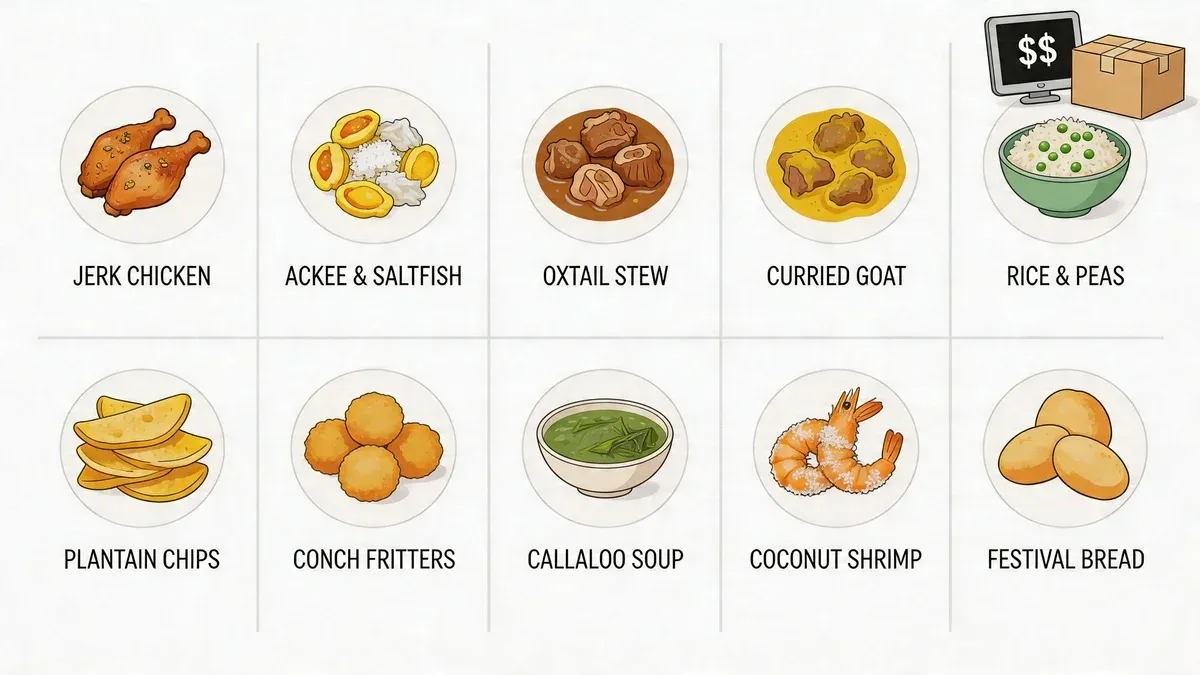
Friday night starts well. A couple of delivery tickets come in for jerk chicken, then roti, then doubles, and by 7:15 the line is backing up, steam is softening fried items, and the dish that tasted great at lineup is arriving tired at the customer’s door. Caribbean food can sell fast. It also exposes weak prep systems faster than a generic grill menu.
Traditional Caribbean dishes reward kitchens that plan ahead. They punish restaurants that treat them like standard entrées. Some items hold beautifully with batch prep, strong packaging, and clear modifier controls. Others need tighter production windows, sharper station design, or a dine-in bias if you want to protect quality and margin.
The food itself comes from a long history of adaptation across the region, with West African, Indigenous, European, Indian, Chinese, and other influences shaping how people cook, season, preserve, and serve. That mix gives operators room to build a menu with range, but it also demands discipline. You cannot sell these dishes well if the kitchen, packaging, and ordering flow are working against them.
For restaurant owners, a key decision is not whether jerk chicken or roti belongs on the menu. Instead, the focus is on how each dish gets prepped, packed, priced, upsold, and pushed through the POS without slowing service. The same menu can produce strong margins or constant remakes depending on portion controls, modifier setup, and whether the dish was designed for dine-in, pickup, or third-party delivery. If you are building out smoked proteins and grilled items, it helps to study how a strong barbecue menu strategy balances prep load with ticket value.
The list below stays grounded in operations. It focuses on dishes customers recognize, what they demand from the line, how well they travel, and where smart POS and delivery setup protect profit without sanding off the character that makes Caribbean food worth ordering in the first place.
1. Jerk Chicken
Jerk chicken earns attention fast. It has smoke, heat, and a story customers already recognize. It also has a prep profile that can punish disorganized kitchens.
Jerk cooking traces back to Jamaica’s Maroons, who developed the method as a resistance technique, and that origin matters. This isn’t just spicy grilled chicken. It’s a distinct cooking style rooted in preservation, smoke, and layered seasoning.
A quick visual helps if you’re training staff or refreshing presentation standards.
What works in restaurant operations
Jerk works best when you commit to advance prep. Marinate in larger batches during slower prep windows. Grill or smoke in controlled batches. Finish to order if needed, but don’t build the dish around last-minute seasoning.
What doesn’t work is treating jerk like a standard grilled chicken breast. You’ll lose flavor penetration, consistency, and speed.
A few practical rules help:
- Batch marinate early: Build your marinade program before service, not during it.
- Use clear spice modifiers: Mild, medium, and hot should print clearly on kitchen tickets.
- Pair with stable sides: Rice and peas and festival are better delivery companions than fragile salads.
Practical rule: If spice level lives only in the cashier’s head, you’ll get remakes.
For delivery, foil wrapping helps retain heat and aroma. That matters because jerk’s appeal is sensory. Customers should open the box and smell it immediately.
On Uber Eats or DoorDash, modifier mistakes are common when teams manually re-enter orders. When an order flows through OrderOut into your Clover POS setup for delivery modifiers, the spice selection lands correctly on the ticket. That reduces remakes and keeps the line moving.
If you’re building a broader grilled menu around jerk, the operational ideas in this barbecue menu planning guide are worth applying to hold times, combo design, and side structure.
2. Ceviche
Ceviche can make a menu feel sharper and more premium. It can also create waste faster than almost anything else on this list.
In Caribbean coastal settings, ceviche reflects the overlap between seafood traditions, citrus curing, onion, cilantro, and chile. Customers see it as fresh and light. Operators need to see it as a food safety item first.
Where operators get this wrong
The common mistake is over-prepping. Fish quality drops. Citrus keeps curing. Texture goes from clean to tired.
Just-in-time assembly is the safer, smarter move. Prep onions, herbs, citrus, and garnish separately. Portion fish tightly. Combine close to pickup or service.
That approach also protects margins. Spoilage on seafood hurts more than spoilage on starches.
Use these guardrails:
- Buy with documentation: Work with certified suppliers and keep handling standards tight.
- Separate prep components: Don’t fully mix batches that may sit.
- Write raw seafood warnings clearly: Include allergen and raw fish notices on menus and packaging.
For digital ordering, inventory controls matter. If fresh fish runs out, the item should disappear from online channels immediately. A restaurant that syncs inventory decisions through Square and OrderOut integration can 86 ceviche before a DoorDash customer places an order you can’t fulfill well.
Raw seafood is never the dish to “make work” with aging inventory.
Delivery viability is also narrower here than with braised dishes or wraps. Use chilled packaging and keep transit expectations realistic. If your average delivery radius is too wide, ceviche may belong on dine-in and pickup only.
That trade-off is worth making. A profitable menu isn’t the one that sells everything everywhere. It’s the one that protects food quality and your reputation at the same time.
3. Roti
The lunch rush hits at 12:15. Tickets stack up, delivery drivers are waiting, and one menu item keeps the line moving instead of slowing it down. Roti does that job well.
Roti is one of the smartest traditional Caribbean dishes to build into a high-volume menu because it holds heat, portions cleanly, and eats like a full meal in one package. Across Trinidad and Tobago, Guyana, and the wider Caribbean, roti developed into a staple through Indo-Caribbean cooking traditions, with curry fillings and dhalpuri-style variations that still define the category.
Why roti works operationally
Roti solves several restaurant problems at once. It travels better than many plated entrées, gives guests a familiar handheld format, and lets kitchens use one dough program across multiple proteins and vegetarian fillings.
That flexibility matters for margin. A chicken roti, chickpea roti, and goat roti can share much of the same prep system while selling at different price points. The result is better ingredient use and less menu sprawl.
The kitchens that execute roti well usually keep the system tight:
- Standardize the fill weights: Too little feels skimpy. Too much slows assembly and causes tears.
- Set required POS modifiers: Bread type, protein, spice level, and add-ons should print clearly on every ticket.
- Hold curry fillings hot, not overcooked: The filling should stay spoonable and rich, not reduced into paste.
- Pack chutneys or pepper sauce separately: The wrap keeps its structure longer in transit.
Mistakes show up fast with roti. Overfilled wraps burst in the bag. Thin curry leaks through the bread. Vague button names such as “roti special” create confusion at the POS and on the line. Clean naming conventions matter more here than operators expect.
If online orders are a major sales channel, build roti like a repeatable assembly item, not a free-form special. A synced ordering flow through OrderOut helps the kitchen receive consistent tickets from delivery apps, and a stronger modifier setup usually improves both speed and ticket accuracy. For operators comparing category structure across cuisines, this guide to popular Spanish menu items and ordering patterns is useful reference material.
Roti also earns its place across dayparts. It sells at lunch, works for dinner, bundles easily with drinks, and usually survives delivery better than dishes that depend on crisp textures or careful plating. For a restaurant owner, that is a key advantage. Roti respects tradition and makes operational sense.
4. Mofongo
Mofongo sells on texture and identity. Customers remember the mashed plantain, garlic, and broth. They also notice immediately when it arrives dry, dense, or collapsed.
That’s the operational challenge. Mofongo isn’t difficult because it’s exotic. It’s difficult because timing matters.
How to keep texture intact
The smart move is to prep components, not finished bowls. Fry or prep plantains ahead within your quality window. Hold broth and proteins separately. Assemble just before handoff.
Separate wet and dry elements whenever delivery is involved. Seafood stew in one container. Mofongo base in another, or at least compartmentalized. That gives the customer a much better experience after transit.
This is also where bundle design helps. A lot of operators miss the margin opportunity. Mofongo often feels like a premium entrée already, so they stop there. Better move: build a combo with a high-margin drink or side and let the POS present it every time.
Sell mofongo as a meal, not as a lonely centerpiece.
If the order comes from a delivery app and syncs into your POS through OrderOut, the combo prints cleanly without someone retyping it at the host stand. That removes a common source of missed add-ons and kitchen confusion.
Mofongo also fits naturally beside other Spanish Caribbean staples. If you’re merchandising that broader category, this roundup of popular Spanish food ideas can help frame adjacent menu sections.
One more caution. Don’t promise too many protein variations unless your line can support them. Shrimp, chicken, beef, and vegetarian are enough for most operations. Beyond that, complexity rises faster than sales usually do.
5. Rice and Peas
A Friday dinner rush exposes weak side dishes fast. The line is buried, proteins are cooking at different speeds, and one dependable pan of rice and peas keeps tickets moving without dragging food cost upward.
That is why this dish earns its place on so many Caribbean menus. Rice and peas brings flavor, familiarity, and portion control in one scoop. It supports premium mains like jerk chicken and goat stew, but it also gives vegetarian plates and lunch specials enough substance to feel complete.
Why it matters for margins
Rice and peas works because the economics are honest. The ingredient cost is manageable, the yield is strong, and guests already understand where it belongs on the plate. Operators do not need to spend time teaching customers what to order with it. They need to execute it well.
Execution is where money is made or lost. Batch cooking helps, but only if the product stays consistent from the first pan to the last. Coconut milk can turn greasy if the ratio is off. Rice can tighten up in the steam table if it sits too long. Portion drift also adds up faster than many owners expect because this dish gets served all day, not just on a few premium tickets.
A practical setup usually looks like this:
- Use fixed scoops or weighed portions so the side stays profitable.
- Attach it as a default or suggested add-on for jerk chicken, callaloo, and stew items in your POS.
- Keep it out of containers with fried items unless you want steam to soften the crust.
- Add simple reheating notes for delivery so guests do not dry it out at home.
There is a branding angle too. Rice and peas photographs better than operators give it credit for when the beans hold shape and the garnish is clean. If your team is promoting daily specials or combo meals online, these Instagram food caption ideas can help the post sell the plate instead of just filling the feed.
For family meals, this side punches above its price point. It makes platters look generous, supports higher check averages, and gives catering orders a reliable starch that travels better than many fried sides. If your menu includes shareable platters or family bundles, this family-style dining guide has useful ideas for portion structure and side positioning.
One caution. Do not let rice and peas become an afterthought because the ingredients seem simple. Guests notice dry rice, weak seasoning, and broken beans immediately. A well-run Caribbean kitchen treats this dish like a standard setter, because if the rice is right, customers usually trust the rest of the menu.
6. Conch Salad
Conch salad is refreshing, premium, and operationally narrow. That’s not a criticism. It’s a warning.
In the Bahamas and other Caribbean settings, conch salad works because freshness is the whole point. Customers want bright lime, crisp vegetables, and chilled seafood texture. The farther the order travels, the harder that becomes to preserve.
Best use case for this dish
Conch salad is usually strongest as dine-in, pickup, or very short-radius delivery. If your packaging and delivery times aren’t tight, this dish can disappoint fast.
It also requires sourcing discipline. Conch availability can be inconsistent, and operators need to verify supplier documentation before putting it on the menu. If your supply is unstable, don’t build marketing around it as a core seller.
A smart digital setup is channel-specific. Keep conch salad on dine-in and maybe pickup. Disable it on third-party delivery if platform policies or transit times make quality unreliable. Your POS should make those choices easy instead of forcing staff to remember them manually.
There’s also a branding upside. Conch salad gives you a story-rich premium appetizer if your dining room or local market supports it. Fresh seafood, island identity, visible prep. That can justify higher menu attention even if sales volume is lower than cooked staples.
For social media, it’s one of the most photogenic traditional Caribbean dishes you can run. If you’re building traffic through visual content, these restaurant food caption ideas for Instagram can help frame seasonal seafood posts without sounding generic.
The key trade-off is simple. Great conch salad can enhance your brand. Average delivered conch salad can hurt it. Choose the channel before you choose the recipe.
7. Ackee and Saltfish
Saturday brunch starts at 10, the first rush hits at 10:30, and ackee and saltfish either makes the line look sharp or exposes every prep mistake you made the day before. This dish sells authenticity fast, but only if the operation behind it is disciplined.
Ackee and saltfish earns its place because it gives a Caribbean menu a true brunch anchor instead of another generic egg plate. It carries strong Jamaican identity, and guests who know it often order with intent. Guests who do not know it need a clear description and a server who can explain it in one sentence without turning the table into a history lesson.
Brunch operations and prep reality
Critical work happens before service. Salt cod needs time to soak and desalt properly, and ackee supply needs to be consistent enough that you are not eighty-sixed halfway through the weekend. If either piece is unstable, the dish creates stress instead of margin.
A practical setup looks like this:
- Desalt cod on a schedule: Base prep on weekend forecast, not guesswork.
- Standardize the mix: Keep onions, peppers, thyme, and seasoning consistent so every batch eats the same.
- Write a tight menu description: Explain the dish clearly for first-time guests.
- Set a portion standard: Ackee is delicate and food cost can drift if cooks plate by instinct.
This is also a dish where POS setup affects profit. Build it as a brunch combo with fried dumplings, provisions, or a beverage, then ring every component through preset modifiers and bundles. Staff should not type custom notes for a core menu item during a busy brunch push.
Channel choice matters too. Ackee and saltfish usually performs best for dine-in and pickup. Delivery can work, but only if the sides hold well and the packaging keeps the dish from steaming into a soft, tired plate. Fried dumplings travel better than toast. Sliced avocado may look good on the pass and arrive rough. Those are the trade-offs that separate a good menu idea from a reliable seller.
The upside is strong. Run well, ackee and saltfish gives you cultural credibility, a premium brunch check, and a dish competitors often avoid because they do not want to manage the prep. That hesitation creates opportunity for operators who do.
8. Callaloo
A Saturday lunch rush exposes weak menu design fast. Callaloo usually holds up well because it can cover several jobs at once: side dish, soup, vegetarian entrée, or add-on with seafood. Few Caribbean dishes give an operator that much flexibility from one prep line.
Its cultural value matters too. Across the Caribbean, callaloo shows up in different forms, but the core idea stays familiar: greens cooked down with okra, aromatics, and seasoning into something comforting, savory, and rooted in the region’s cooking traditions. Guests who know it expect honest flavor. Guests who do not know it need a clear description and an easy entry point.
Margin comes from format and add-ons
Callaloo works because the base ingredients are affordable, but the dish does not have to read as cheap. The profitable move is to decide early what role it plays on your menu, then build prep and POS around that role.
Three formats usually make sense:
- Side dish: Reliable, low food cost, easy to pair with grilled or stewed proteins.
- Vegetarian main: Better for lunch menus if you portion it with rice, dumplings, or provisions.
- Premium add-on: Saltfish or crab can raise check average without forcing a full menu rewrite.
That choice affects production. A side-dish version should be tighter and more consistent. A main-course version needs more body and a stronger plate setup so it does not feel like an afterthought. An add-on model needs strict portion control, especially with crab, or the extra revenue disappears in the pan.
Ingredient flexibility is one of callaloo’s strengths. Restaurants often substitute spinach or other greens when true callaloo leaves are unavailable. That is a practical kitchen decision if supply shifts, but the menu should say what the guest is getting. Clear labeling protects trust and saves servers from explaining the same substitution table after table.
POS setup can turn this dish from a quiet seller into a dependable moneymaker. Build modifier buttons such as “Add Saltfish” and “Add Crab,” and attach them to the base item instead of relying on open-text notes. That keeps tickets cleaner, improves upsell consistency, and gives you usable sales data on which version moves.
Callaloo also travels better than many vegetable dishes if you manage moisture. Pack it in a container with enough depth to prevent spillage, and keep crisp sides separate so steam does not soften the whole order. For dine-in, it can support a broader plate. For pickup and delivery, it performs best as a contained bowl or as part of a combo built for short hold times.
Handled well, callaloo gives you tradition, menu range, and margin from one pot. That is hard to beat.
9. Doubles
Doubles is a speed test. If your kitchen can execute it fast and package it well, it can become one of your best high-volume sellers. If not, it turns into soggy bread, leaking sauce, and customer complaints.
In Trinidad and Tobago, doubles combines bara and curried chickpeas with tamarind and pepper sauces. It’s street food by design. That portability is why it belongs on delivery menus, but only with discipline.
Delivery matters more than recipe purity here
In 2025, Caribbean delivery orders grew 32% year over year, while 28% of complaints cited food arriving cold or mushy for starchy items like plantains or dumplings, according to delivery viability data on Caribbean dishes. Doubles lives right inside that risk zone.
So the operational answer is packaging and assembly timing.
- Keep bara fresh: Prep dough ahead, fry close to service.
- Hold channa hot but not watery: Excess moisture destroys the structure.
- Pack sauces separately when possible: Let customers finish the balance themselves.
DoorDash and Uber Eats orders can become modifier chaos with doubles because customers love specifying pepper level. Slight, medium, plenty. Tamarind yes or no. Extra chutney. If those requests hit the kitchen as a clean printed ticket through OrderOut, waste drops because staff don’t have to guess.
Doubles also works as a snack, combo, or add-on item. That’s useful when you want lower-price entries on the menu that still create attachment sales. Just don’t oversell delivery range. This is a short-trip item, not a cross-town item.
10. Goat Stew
Friday dinner starts at 6:00. By 5:30, the smart kitchen already has goat stew hot, portioned, and ready to move. That matters because this dish rewards planning. It gives operators a traditional Caribbean staple that holds well, travels well, and usually tastes better after the flavors have had time to settle.
Across the region, goat-based stews carry real cultural weight. Goat water is tied closely to Montserrat, and versions of goat stew show up across island menus for good reason. Guests recognize it as serious comfort food, not a novelty item.
Why this dish fits modern restaurant operations
Goat stew shifts labor out of service hours. You brown, braise, cool, and portion before the rush, then retherm with control. That reduces ticket pressure compared with dishes that require full pickup from raw or fragile components.
It also gives you room to build a profitable plate. Rice and peas is the obvious pairing, but fried plantain, steamed veg, or a small side salad can raise check average without making the line more complicated. The trade-off is food cost. Goat is not the cheapest protein, and inconsistent trim can wreck portioning if the butcher is sending mixed-quality cuts.
A practical setup looks like this:
- Buy with a spec: Ask for consistent bone-in or boneless cuts, not a random mix.
- Batch for flavor and yield: Braises settle overnight, and day-two stew is often the better product.
- Portion after cooking: Use weighed servings so online inventory matches what the kitchen can sell.
- Control the side dish: Profits disappear fast when rice portions drift.
Inventory discipline matters here because goat stew often sells in bursts. One large family order can wipe out several portions at once. A POS that updates counts across dine-in and third-party delivery helps prevent overselling and last-minute substitutions.
Goat stew also benefits from the broader growth of Caribbean food demand. Analysts tracking the Caribbean food and drink market note rising exposure in retail and foodservice. For restaurant owners, that means less menu education at the point of sale and a better chance of converting first-time guests into repeat buyers if the dish arrives hot, rich, and properly portioned.
Top 10 Traditional Caribbean Dishes Comparison
Dish 🔄 Implementation Complexity ⚡ Resource Requirements ⭐ Expected Outcomes 📊 Ideal Use Cases 💡 Key Advantages / Tips Jerk Chicken - Jamaica High, complex spice blend, long marination, pimento-wood grilling Medium–High, scotch bonnet, extended time, specialized grill or smoker ⭐⭐⭐⭐, strong authentic flavor, premium pricing potential Signature dinner item, Caribbean-focused menus, premium takeout Pre-marinate batches; use insulated packaging; offer spice-level POS modifiers Ceviche - Peru / Caribbean Moderate–High, strict food-safety, precise knife work, just-in-time prep High, very fresh fish, HACCP compliance, chilled transport/ice packs ⭐⭐⭐⭐, high visual appeal and margins but high perishability risk Upscale dining, coastal markets, short-window delivery (≤30 min) Source certified suppliers, prep to order, restrict online delivery when required Roti - Trinidad & Tobago Moderate, bread-making skills and curry prep; standardized assembly Medium, dough prep equipment, curry batching, wrapping materials ⭐⭐⭐, reliable handheld delivery item with good margins Lunch/delivery, high-volume casual service, portable meals Batch dough and fillings; foil wrap; use POS modifiers for bread & filling Mofongo - Puerto Rico Low–Moderate, mashing technique and assembly with protein pairing Low–Medium, plantains, simple tools, stew preparation ⭐⭐⭐, distinctive presentation, reheats well but texture sensitive Brunch/dinner, plated delivery with separate sauce, cultural menus Batch components, assemble before packing, send stew separately with reheating tips Rice and Peas - Jamaica / Caribbean Low, simple, high-volume batch cooking Low, staple ingredients, coconut milk; long hold times ⭐⭐, low cost, high-margin side that holds well Side dish for mains, bulk prep, margin-building upsells Batch cook 50+ portions, portion/seal separately, automate upsell in POS Conch Salad - Bahamas / Caribbean Moderate, knife/assembly skills but regulatory complexity High, scarce conch, sourcing restrictions, strict permits ⭐⭐⭐, premium, seasonal appeal; strong visual impact Resort/upscale menus, limited-time coastal specials Verify sourcing/regs, consider sustainable substitutes; limit online availability Ackee and Saltfish - Jamaica Moderate, desalting cod (24–48h) and handling ackee Medium, specialty ingredients (ackee), prep lead time ⭐⭐⭐, strong cultural authenticity; good brunch positioning Breakfast/brunch, cultural restaurants, diaspora-focused menus Desalt cod in advance, source frozen ackee, bundle as breakfast special Callaloo - Caribbean Low–Moderate, longer cooking and greens handling Low, leafy greens, coconut milk; true callaloo may be scarce ⭐⭐, nutritious vegetarian option with good margins Vegetarian/health-focused menus, sides/add-ons Substitute spinach if needed, batch cook, add protein modifiers to upsell Doubles - Trinidad & Tobago Moderate, frying and dough consistency required Low, inexpensive ingredients but needs fry station/ventilation ⭐⭐⭐⭐, highly portable, low-cost, high-volume performer Street-food style delivery, lunch rush, value menus Batch channa, heavy-duty wrapping, sauce packets, POS customization for sauces Goat Stew - Caribbean High, slow braise, long cook time, careful scheduling High, specialty goat sourcing, long cooking time, storage needs ⭐⭐⭐, premium comfort food; flavors improve with aging Dinner specials, catering, cultural events, hearty mains Build supplier relationships, batch-cook/off-hours, freeze single-serve portions
Bringing Authentic Flavors to Your Modern Kitchen
Saturday dinner rush exposes every weak menu decision. A jerk chicken plate can fly. A roti can hold. A doubles order with three sauce changes, a side swap, and a handwritten delivery note can slow the line, trigger a packing mistake, and turn a profitable ticket into a remake.
That is the real test for a Caribbean menu. Flavor gets guests in once. Execution gets them back and keeps food cost, labor, and delivery ratings under control.
The best operators treat each dish as both a culinary decision and a systems decision. Jerk chicken works because the prep is front-loaded and the pickup is fast. Goat stew and rice and peas give strong batch efficiency if production is scheduled well. Ceviche and conch salad need tighter cold-chain discipline and stricter delivery rules, so they should stay limited unless the kitchen can protect quality every time.
I advise owners to build Caribbean menus around three filters. First, does the dish hold its texture and identity through dine-in, takeout, and third-party delivery? Second, can the prep be repeated without tying up the whole kitchen? Third, do the modifiers fit the way orders enter the POS?
That third point gets ignored too often.
Caribbean food sells through customization. Guests want extra pepper sauce, no slaw, plantains instead of rice, curry chicken in the roti, saltfish with additional dumpling, or a breakfast combo built around ackee. If those choices live on paper tickets or scattered delivery tablets, staff spend service translating orders instead of cooking them. Errors follow fast. Wrong sides, missing sauces, and missed add-ons cut margin more than the food cost itself.
A connected ordering workflow helps protect that margin. Modifiers arrive in the POS clearly, kitchen tickets print with the right packaging cues, and managers can see which dishes perform by daypart, channel, and add-on mix. That makes it easier to price roti combos correctly, limit fragile seafood items on long-distance delivery, and spot whether doubles are a traffic driver or just a low-check labor drain. If you want to tighten that process, review your setup at https://dashboard.orderout.co.
Good Caribbean restaurant operators respect tradition and still make disciplined choices. They keep the dishes that travel well, prep cleanly, and earn their space on the line. They trim the options that create friction without adding enough sales. That is how authentic food stays profitable.