
The Future of Delivery: Insights from Thibault Le Conte CEO of OrderOut
· Thibault Le Conte
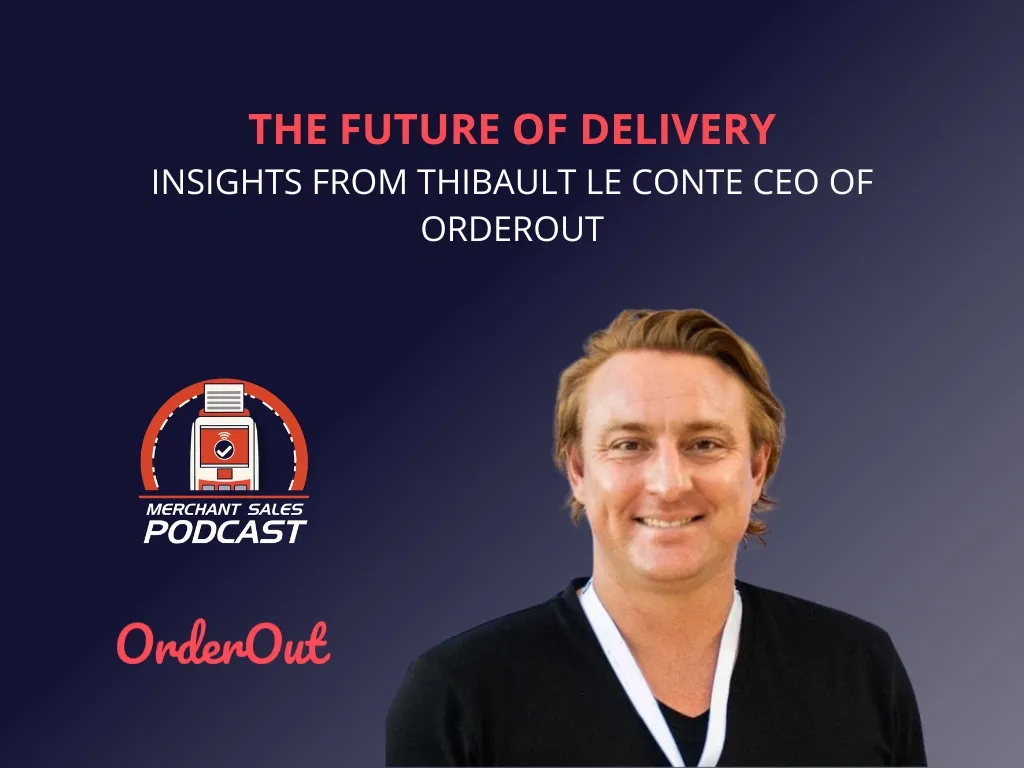
In a recent interview, Patti Murphy and James Shepherd spoke with Thibault, the CEO of OrderOut. They delved into the rapidly evolving world of delivery services and their significant impact on the payment and SaaS industries. As businesses increasingly rely on delivery services, understanding the challenges, solutions, and future trends becomes crucial.
Redefining Delivery for Small Businesses
One of the most pressing challenges for small business owners, especially in the food industry, is coping with the high fees of delivery platforms like Uber Eats and DoorDash. Thibault pointed out, “Delivery fees started at 30% and are now more around 25%, but they still pose a significant cost to businesses.” This has led to a growing interest in sectors like supermarkets, liquor stores, and even emerging markets like CBD to build their own delivery.
Seamless Integration with POS Systems
OrderOut has focused on addressing the inefficiency of handling delivery orders, often seen in traditional methods like separate tablets or fax machines. Their solution? A seamless integration with POS systems like Clover. “We are the only one right now that, if you have Clover and Uber Eats, you can be live in minutes,” said Thibault. This integration simplifies the order management process.
The Future of Delivery: An API-Driven Model
Looking ahead, Thibault shared insights on the future of delivery, emphasizing the role of API-driven models. “Imagine if I wanted to start a flower shops or a restaurant, one of the most important pieces would be delivery. With our API, businesses can get quotes from various delivery services like DoorDash Drive or Uber Direct and choose from either the fastest or most affordable”
This approach not only offers businesses control over their delivery options but also opens up possibilities for vertical-specific ISOs. For instance, a flower shop POS system could integrate this API to offer tailored delivery solutions, enhancing the overall customer experience.
Verticalization: The Next Big Trend
The concept of verticalization in the payments industry was a focal point of the discussion. “As services become more available via API, we’re going to see platforms built out, creating moats around businesses by customizing for specific business types,” James explained. This trend means that each sector, from flower shops to pizza delivery, could have its own bespoke delivery solutions, catering to its unique needs and challenges.
Overcoming External Threats
The rise of delivery platforms like DoorDash and Uber Eats has posed a significant external threat to the payment industry, a considerable portion of processing volume. The API-driven delivery model presents an opportunity to reclaim this market share. “It’s time to understand this competitor, this external threat, figure out how to work with that environment, and understand that business model,” said James.
Legal Challenges in the Payment Space
The conversation also touched on recent legal challenges faced by companies like Apple in the payment space. These cases highlight the complexity and evolving nature of the payment industry, emphasizing the need for industry players to stay informed and adaptable.
In conclusion, the future of delivery in the payment and SaaS industries is heading towards more integrated, efficient, and flexible models. The insights from Thibault Le Conte, CEO of OrderOut underscore the importance of adapting to these changes. As we witness the rise of vertical-specific solutions and API-driven delivery models, businesses must embrace these advancements to stay competitive and meet the evolving needs of their customers. Watch full interview here https://www.youtube.com/watch?v=4PtJCCa1mIw