
Social Media and Restaurants: Boost Engagement and Orders in 2026
· Thibault Le Conte
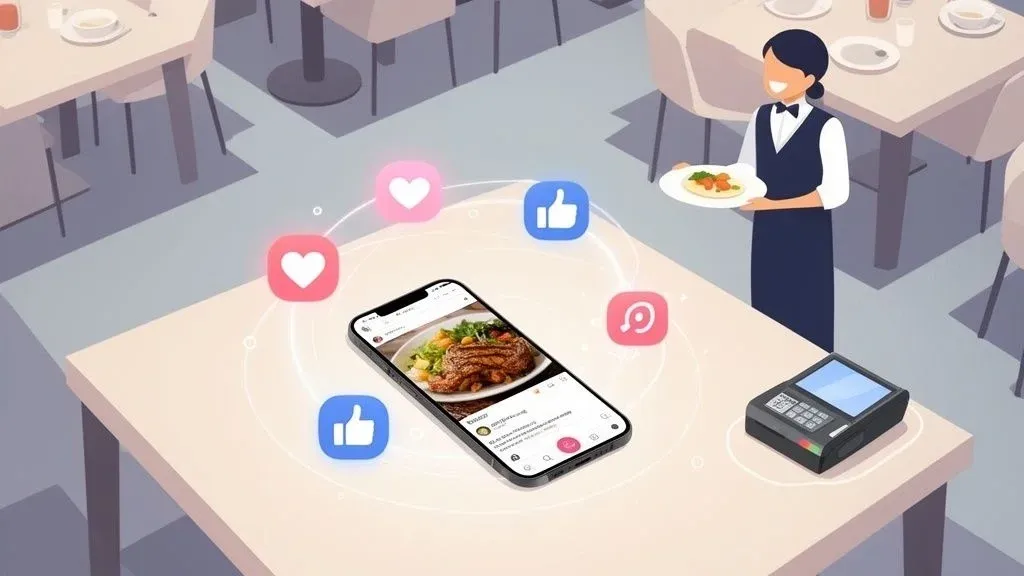
For many of your customers, your restaurant’s social media profile is your front door. Before they ever step inside your actual building, they’re scrolling through your Instagram feed or watching a TikTok video to decide if you’re worth the visit.
Your Restaurant’s New Digital Front Door
Think about how “word-of-mouth” works today. It’s not just a neighbor’s recommendation over the fence anymore. It’s a friend tagging someone in a video of your cheese pull, a drool-worthy photo of your weekend special getting shared, or an influencer showing off your beautiful patio. Your reputation is now built just as much on swipes and shares as it is on incredible service.
This isn’t just a passing fad; it’s a deep shift in how people find and choose where to eat. The data is pretty clear: by 2026, it’s expected that 72% of people will be using social media to scope out restaurants before making a decision. For the 18–24 crowd, it’s even more specific—a whopping 41% are turning to TikTok first to discover new places.
From Digital Discovery to Direct Orders
Here’s how the modern diner thinks: “I see it, I want it, I want it now.” When someone sees a mouth-watering post from your restaurant, the last thing you want is for them to hit a roadblock trying to place an order. If they have to leave the app, Google your restaurant, find your website, and then hunt for the “Order Now” button, you’ve likely lost them.
That’s why your social media isn’t just a marketing channel; it’s a direct line to your kitchen. The goal is to create a seamless path from that initial “wow” moment on their screen to a paid order firing on your ticket printer. To get this right, you’ll need a solid plan. A good restaurant social media management playbook can help you build a welcoming ‘digital front door.’
The game has changed. It’s no longer about chasing likes. It’s about turning that online buzz into real orders that grow your bottom line and create loyal customers who come back again and again.
To help you choose the right channels, here’s a quick-glance table to match your restaurant’s goals with the best platform.
Social Media Platform Quick Guide for Restaurants
Platform Best For Target Audience Key Content Type Instagram Visual storytelling, building brand aesthetic, and driving orders through profile links and story stickers. Millennials & Gen Z; foodies and lifestyle-focused customers. High-quality photos, Reels (short videos), behind-the-scenes Stories. TikTok Going viral, showcasing personality, and reaching a younger audience with authentic, short-form video. Gen Z & younger Millennials; trend-followers. Quick recipes, staff challenges, trending sounds, user-generated content. Facebook Community building, sharing updates and events, and reaching a broader, local demographic. Gen X & Millennials; local families and community groups. Events, special offers, customer photos, detailed posts, and reviews. X (Twitter) Quick updates, customer service interactions, and engaging in real-time conversations with a local audience. Millennials & Gen X; news-followers and highly engaged users. Flash promotions, daily specials, quick Q&As, and responding to mentions.
Each platform has its strengths, but the key is connecting them all back to your operations seamlessly.
Connecting Social Media to Your Restaurant POS for Enhanced Restaurant Operations
This is where the magic really happens—or where the headaches begin. When a customer taps that “Order Food” button on your Instagram profile, that order has to go somewhere. If it just lands on a separate tablet that your host has to re-punch into your Point of Sale (POS), you’re creating a massive bottleneck right in your front-of-house.
Why it matters: Manually entering orders from different delivery tablets is a common pain point for restaurants. This simple process is slow, prone to errors, and distracts your staff from serving in-person guests. It directly hurts your restaurant efficiency.
The solution is integrating these online ordering channels directly with your POS system. This is a core concept of modern food tech.
Imagine this: a customer sees your Friday fish fry special on Facebook and clicks the link to order through DoorDash. That order instantly and automatically appears on your Clover or Square POS, just like an order taken in-house. This streamlined flow is a game-changer for your operations.
- Saves Precious Time: No more tablet-juggling or manual data entry for your staff.
- Drastically Reduces Errors: Automation means no more typos or missed modifications between the app and the kitchen, leading to cost savings.
- Boosts Staff Productivity: Your team can stay focused on serving guests and preparing food, not on being data-entry clerks.
Getting this connection right is a huge step toward building a more profitable, modern restaurant. For a closer look at the bigger picture, our guide on digital marketing for restaurants is a great resource. Next up, we’ll break down exactly how to create the kind of content that makes this powerful connection work for you.
Creating a Menu-Driven Content Strategy
Posting pretty food pictures is a decent starting point, but let’s be honest—it’s not a strategy. A truly effective social media presence for your restaurant needs to be built around a plan that actually drives business. It’s all about turning your menu from a static list of items into a powerhouse of content that convinces followers to become loyal customers.
Think of it this way: your menu is your script. Every dish is a potential star. Instead of posting random, disconnected photos, a menu-driven strategy lets you build a consistent story around what you sell, who cooks it, and the people who love it. You don’t need a big budget or a pro photography crew for this, either. Your smartphone is more than capable of capturing the kind of mouth-watering visuals that get people to stop scrolling.
Building Your Content Pillars
The key to a social media plan that you can actually stick with is having a few core “content pillars,” or themes, you can cycle through every week. This takes the guesswork out of what to post and keeps your feed from feeling stale. For restaurants, these pillars should always lead back to driving orders and showing off what makes you special.
Here are four essential content pillars I’ve seen work for countless restaurants:
- Daily Specials & High-Margin Items: This is your direct sales channel. Use these posts to push the profitable dishes you want to sell more of. Announce a limited-time offer to create a sense of urgency or get everyone excited about a brand-new menu item.
- Behind-the-Scenes Glimpses: Pull back the curtain and show people the magic. A quick video of your chefs making fresh pasta, a baker pulling bread from the oven, or your bartender shaking up a signature cocktail—this stuff builds an authentic connection. It tells a story people want to be part of.
- Staff Spotlights: Your team is your greatest asset. Feature a server sharing their absolute favorite dish or have your chef explain the inspiration behind a recipe. This humanizes your restaurant. People connect with people, and these posts create a real sense of community.
- User-Generated Content (UGC): When a customer tags you in a great photo from their visit, they’ve just handed you free, high-impact marketing. Sharing these posts (always with permission and a photo credit!) is powerful social proof. It shows real people enjoying your food, which is more convincing than almost anything you could create yourself.
A consistent strategy built on these pillars does more than just rack up followers; it builds a loyal community. That community is far more likely to place repeat orders, turning your social media engagement into a reliable source of revenue.
From Visuals to Actionable Captions
Once you have your pillars, it’s time to bring them to life with great visuals and captions that actually get people to do something. The data doesn’t lie: visuals are king. A staggering 84% of users prefer to see photos of food and drinks on a restaurant’s social media. Your dishes are the stars of the show, so put them in the spotlight.
The photo or video grabs their attention, but it’s the caption that tells them what to do next. When you’re showcasing your food, knowing how to write good captions for food can make your posts completely irresistible. A great caption doesn’t just describe the dish; it makes someone crave it and then gives them a clear call to action, like “Tap the link in our bio to order for delivery now!”
Why it matters: That direct link is the crucial bridge connecting your social media efforts to your restaurant efficiency. When you send customers straight to your ordering platform—whether it’s Uber Eats or DoorDash—which then integrates directly with your POS system like Square or Clover, you’ve created a seamless path from seeing to ordering. This automation cuts out manual order entry, reduces costly errors, and frees up your staff to focus on what they do best: making great food and serving customers. To dig deeper into this, check out our guide on how to leverage your restaurant menu data for smarter marketing.
Here’s your next step: sit down and map out just one week of content using these pillars. Plan one post for each day based on what you want to sell and the stories you want to tell. This simple exercise is the first real move from just posting to having a strategic, order-driving social media presence.
Connecting Social Posts to Your POS for Seamless Orders
This is where your social media efforts really start paying the bills. It’s one thing to get likes and comments, but it’s another to turn that engagement into actual orders and a smoother-running restaurant.
Think about this classic scenario: it’s 10 PM, and someone is scrolling through Instagram. They stop dead on a video of your signature burger, dripping with cheese. They want it. Now.
But what happens next is what separates a lost sale from a loyal customer. In the old days, they’d have to leave Instagram, open a browser, search for your restaurant, find your website, and then hopefully navigate your ordering page. That’s a lot of steps, and you can lose them at any point. The goal is to close that gap and make it ridiculously easy for them to buy.
This simple workflow shows how it all connects.
When you line up your content plan with your posting schedule, you create a reliable engine for driving orders.
Turning Social Engagement into Orders
Platforms like Instagram and Facebook have built-in tools just for restaurants. The “Order Food” button, for instance, is a game-changer. You can add it to your main profile or even slap it on an Instagram Story as a sticker, creating a powerful call to action that’s impossible to miss.
When a customer taps that button, you can link it straight to your ordering platforms, like Uber Eats or DoorDash. This simple connection removes all the friction. An inspired follower goes from craving to checkout in just a few taps. It’s the shortest path from seeing your food to buying it.
But making it easy for the customer is only half the story. What happens inside your restaurant when that order comes through is just as critical.
The point isn’t just to get more online orders; it’s to handle them without throwing your kitchen into chaos or burning out your front-of-house team. POS integration is how you manage this new volume without breaking a sweat.
If all those orders from DoorDash, Uber Eats, and your website are just piling up on different tablets, you’ve traded one problem for another. Your host is stuck playing whack-a-mole, re-punching every single order into your main Point of Sale (POS) system and praying they don’t make a typo. That’s a recipe for delays, costly mistakes, and miserable staff.
The Power of POS Integration for Restaurant Delivery
This is where POS integration comes in. In simple terms, it’s the technology that lets your delivery apps talk directly to your restaurant’s command center—your POS. Instead of a mess of tablets, orders fly straight into your kitchen’s workflow, just like they were placed in the dining room.
Why it matters: This automation is the key to unlocking true restaurant efficiency. A tool like OrderOut ensures that an order placed from a social media link shows up in your POS automatically. For a deeper dive, learning more about how POS software integration works is a fantastic next step.
Here’s why it’s so important for your bottom line:
- Saves a Ton of Time: Your staff can stop being data-entry clerks and start focusing on what matters—great service and perfect food. This is a direct boost to staff productivity.
- Drastically Reduces Errors: Automation gets rid of human error. No more typos or missed modifications means fewer comped meals and much happier customers, leading to significant cost savings.
- Improves Staff Morale: A smooth system means a less stressed team. When everything just works, your staff can operate at their best without the constant friction.
Making It Happen with Your POS
No matter what system you use—whether it’s Square, Clover, or something else—their app marketplaces are filled with tools designed to connect these dots. You simply find an integration partner, install the app, and create a fully automated system that funnels all your orders into one place.
This is the final piece of the puzzle. It connects your marketing directly to your restaurant operations, ensuring that all the new business you’re drumming up doesn’t actually hurt your workflow. Instead, it helps you grow smoothly and profitably.
Your next move? Head to the app marketplace for your POS system. Look for an integration provider that works with the delivery services you use, and get it set up. This one move will do more for your efficiency than almost any other tech upgrade you could make.
From Likes to Loyalty: How to Turn Engagement into Repeat Orders
Your social media feed is so much more than just a menu with pretty pictures. It’s your digital dining room—a space where conversations happen, relationships are built, and loyalty is earned. The real magic isn’t just in the posts; it’s in the replies, comments, and DMs. This is what we call digital hospitality, and it’s about treating your online guests with the same care you show the ones inside your restaurant.
Don’t underestimate how much this matters. A staggering 90% of diners will look up your social media presence before deciding where to eat. What they find—your photos, your reviews, and especially how you respond to them—forms their first impression. A quick, thoughtful response to a comment shows you’re listening and that you genuinely care about the customer experience.
Gracefully Navigating Customer Feedback
Look, negative feedback is going to happen. It’s part of the business. But a public complaint isn’t a crisis; it’s a golden opportunity to show everyone watching just how committed you are to your customers.
When a less-than-stellar comment pops up, don’t panic. First, jump on it quickly and publicly. A simple acknowledgment like, “We’re so sorry your experience didn’t meet our standards. This is not what we aim for,” shows you’re paying attention and taking it seriously.
Next, immediately move the conversation to a private channel. Try something like, “Please send us a DM with your phone number so our manager can reach out directly and make this right.” This simple step takes the heat out of the public feed and lets you handle the specifics one-on-one.
Once you’re in a private message, listen to their side of the story and be generous with your solution. A refund, a gift card for a future visit, or a replacement meal can go a long way. Your goal isn’t just to solve a single problem—it’s to win back that customer’s trust for good.
Turning a critic into an advocate is one of the most powerful moves you can make. When other customers see you handle criticism with grace and a genuine desire to fix things, it builds immense trust in your brand.
Build a Community, Not Just a Following
Reputation management is crucial, but building true loyalty requires being proactive. You want your followers to feel like they’re part of a community—like insiders who are part of your restaurant’s story. That feeling is what turns a casual follower into a regular who orders every Friday night. This directly impacts your restaurant operations by creating a predictable stream of revenue.
How do you do it? Start by making your social feeds interactive.
- Run a contest asking your followers to name a new seasonal cocktail.
- Post a poll asking which old favorite from the menu should make a limited-time comeback.
- Ask an open-ended question like, “What’s the one dish you can’t stop thinking about?”
These small interactions make people feel heard and invested in your success.
Even better, celebrate your own customers. When a diner tags you in a fantastic photo of their meal, ask for permission to repost it. This kind of user-generated content is pure gold. It’s authentic social proof that’s far more believable than any ad you could run yourself. It shows real people loving your food, which is the most powerful encouragement for others to do the same. This is the essence of food influencer marketing, even when your “influencers” are just your loyal regulars.
Why it matters: All this community building has a very real payoff for your restaurant delivery and takeout business. A customer who feels that personal connection is far more likely to hit the “Order Food” button on your Instagram profile, sending a request through DoorDash or Uber Eats. And when that order syncs seamlessly with your POS, like Clover or Square, you’ve drawn a straight line from a friendly comment to a successful sale, all while improving staff productivity.
Here’s a practical takeaway: block out just 15 minutes every single day for community management. That’s it. Use that time to reply to every new comment and message. This small, consistent habit is the bedrock of lasting customer loyalty and a healthier bottom line.
Measuring What Matters for Restaurant Efficiency
It’s tempting to get caught up in social media numbers. The platforms throw dozens of data points at you, but let’s be honest—which ones actually help you run a better restaurant? For busy owners and managers, the key is to cut through the noise and focus on the metrics that pay the bills, not just stroke the ego.
We call these vanity metrics. Things like follower counts and post likes feel good, but they don’t tell you if your social media is actually bringing in revenue. I’ve seen restaurants with huge followings struggle to fill seats, while a small, local spot with a few thousand engaged fans has a line out the door. The goal isn’t just to be popular; it’s to be profitable.
That means shifting your focus to actionable metrics. These are the numbers that connect your posts and stories directly to real-world business results—the data that proves your social strategy is driving orders and improving your bottom line.
Key Metrics That Actually Drive Restaurant Operations
So, what should you really be tracking? To see what’s truly working, you need to measure customer intent and, more importantly, customer action. A quick monthly check-in on these numbers will give you powerful insights without getting you stuck in the weeds.
Here’s what we see the most successful restaurants focusing on:
-
Click-Through Rate (CTR) on “Order Now” Links: This is your MVP metric. It tells you exactly what percentage of people who saw your post or story clicked the link to your ordering page. A high CTR is a clear sign that your photo was drool-worthy and your call to action worked.
-
Conversion Rate: This one takes it a step further. Of all the people who clicked, how many actually finished placing an order? This is your direct return on investment (ROI). It shows you how effectively your content is turning hungry scrollers into paying customers.
-
Engagement on Specific Menu Items: Don’t just look at overall engagement. Dig into which dishes get the most comments, shares, and saves. If your new brisket sandwich gets 2x the love of anything else, that’s your audience telling you what they want. Maybe it’s time to run a special or make it a permanent feature.
The Power of Connecting Analytics to Your POS
The real magic happens when you can draw a straight line from a social media campaign to your sales data. This is where a solid POS integration becomes your secret weapon for analytics.
Imagine you run a two-day Instagram promotion for a “Weekend Pizza & Wings” combo. You can track the clicks on your Uber Eats or DoorDash links to gauge interest, sure. But by pulling up your POS reports, you can see the exact number of combos sold during that 48-hour window.
Why it matters: This direct connection gives you a crystal-clear ROI. The conversation shifts from, “Did people like our post?” to “How much revenue did that post generate?” You’re no longer guessing—you’re making informed decisions about your menu and marketing budget. When your analytics show a direct line from a social post to an order fired in your kitchen, you’ve cracked the code. You’re making data-driven decisions that boost restaurant efficiency and drive profitable growth.
Key Social Media Metrics for Restaurants
Focus on these key metrics to understand how your social media efforts translate into real business results, moving beyond simple follower counts.
Metric What It Means Why It Matters for Your Restaurant Profile Link Clicks The number of times users clicked the ordering link in your bio. Directly measures how many potential customers you are sending to your ordering page. Post Engagement Rate The percentage of followers who interact with a specific post. Shows which content resonates most with your audience, helping you refine your strategy. Referral Traffic from Social How many visitors to your website or ordering page came from social media. Proves that your social presence is a tangible source of business, not just a branding tool.
A monthly review of these numbers is all it takes to get a clear picture of what’s working. If you’re new to analytics and want to go deeper, you might find it helpful to Check out our guide on essential restaurant KPIs.
By focusing on these actionable metrics, you can ensure every minute and dollar you spend on social media contributes directly to a busier, more profitable restaurant.
Your Next Step: Pick three of the metrics above and track them for the next 30 days. At the end of the month, look at what the data tells you. You’ll be amazed at how clearly you can see what your customers love and what drives them to order.
Your Next Steps: From Social Feed to a Full Kitchen
Okay, let’s connect the dots. We’ve laid out a full playbook showing how a restaurant’s social media isn’t just for likes and comments—it’s a direct line to more orders and a bigger bottom line. When done right, you can turn casual scrolling into real, paying customers.
You now have a plan for creating mouth-watering content, linking posts straight to your online ordering menu, and actually measuring what works. But there’s one last, crucial step to make sure all this new business doesn’t become a massive headache.
From Strategy to Smooth Restaurant Operations
Let’s be real: a killer social media game means more orders. And if you’re still juggling tablets and manually punching every single order into your POS, you’re creating a bottleneck. This is where mistakes happen, tickets get lost, and your team gets burned out.
The fix is a direct POS integration. In simple terms, this is the technology that connects all those incoming orders from platforms like DoorDash and Uber Eats directly to your kitchen printers, without anyone having to touch a thing.
You can usually find these integration tools right in your POS system’s app store. Here’s what it looks like in the Clover app market, for example.
Most major POS systems have something similar. You can find a comparable setup for other popular systems like Square in their marketplace, too.
Why it matters: By syncing your delivery apps straight to your POS, you get rid of the manual entry grind. We’ve seen restaurants slash order errors by up to 99% and give their staff productivity a serious boost. It completely changes the flow of your restaurant operations.
This is the final piece that ensures your hard work on social media actually pays off in profitable, manageable growth. You’ve successfully created the demand; now you can finally build the efficient system to handle it.
Practical next step: Ready to see it in action? You can start onboarding for Free in a few clicks and sync your social success with your kitchen.
Frequently Asked Questions
Getting your social media strategy off the ground can feel overwhelming. It’s natural to have questions, so let’s tackle a few of the most common ones I hear from restaurant owners just like you.
How Much Time Should I Spend on Social Media for My Restaurant Each Day?
This is the big one, and the answer is probably less than you think. You don’t need to be glued to your phone 24/7. The real magic is in consistency, not the sheer number of hours you put in.
Carve out a focused 20-30 minutes each day. That’s all it takes to post your content for the day, respond to comments and messages, and share any great photos your customers have tagged you in. A solid content calendar and a scheduling tool are your secret weapons here, turning your daily social media tasks into a quick checklist so you can get back to your restaurant operations.
Do I Need to Be on Every Social Media Platform?
Absolutely not. In fact, trying to be everywhere is a classic recipe for burnout and mediocre results. It’s so much more effective to be a star on one or two platforms than to be just “okay” on five.
Start by figuring out where your ideal customers spend their time. For most restaurants, that means highly visual platforms like Instagram and TikTok. They are built for discovery and do a fantastic job of making people crave your food. Focus your energy there first.
What’s the Easiest Way to Link Social Media to My Online Ordering?
The most direct route is the “Order Food” button built right into your Instagram and Facebook business profiles. It’s surprisingly simple to set up. Just grab your unique online ordering link from your provider, whether it’s DoorDash, Uber Eats, or your own system. Then, you just paste that link into the setup field on your profile.
Why it matters: Now, here’s a pro tip to prevent those new orders from creating chaos in the kitchen: make sure your delivery apps are integrated with your POS integration. When everything flows directly into your existing workflow on systems like Clover or Square, you eliminate manual order entry and dramatically increase staff productivity.
Ready to connect your social media success directly to a smoother-running kitchen? With OrderOut, you can sync all your delivery platforms with your POS system to eliminate manual work and reduce costly errors. You can start onboarding for Free in a few clicks.