
A Guide to Restaurant Technology Companies
· Thibault Le Conte
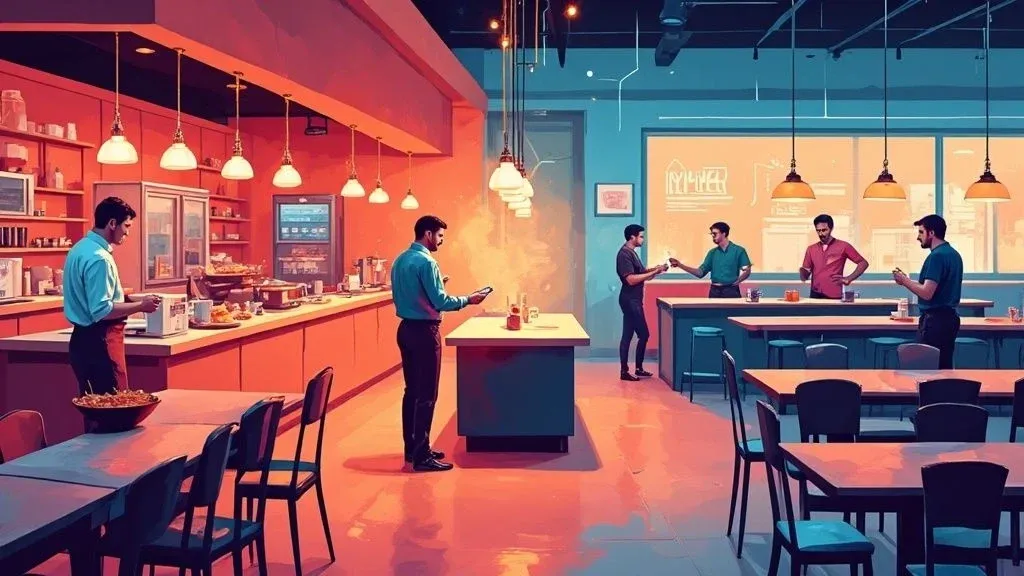
Think of restaurant technology companies as the partners who build your restaurant’s digital backbone. They create the tools and systems that make every corner of your operation—from taking orders to managing the kitchen and connecting with customers—run smoother and smarter. This matters because a streamlined operation leads directly to lower costs, happier staff, and more repeat business.
Understanding the World of Restaurant Technology Companies
Picture your restaurant as an orchestra. You have different sections: the front-of-house greeting guests, the kitchen line firing on all cylinders, the delivery drivers hitting the road, and the back office handling the numbers. Restaurant technology companies are the conductors, providing the tools that ensure every section plays in perfect harmony. For restaurant owners, this harmony means better efficiency and profitability.
Adopting this tech isn’t just a “nice-to-have” anymore. It’s a core strategy for boosting your bottom line and creating an experience that keeps guests coming back.
The proof is in the numbers. The global market for restaurant tech was already at a massive $59.3 billion in 2024 and is expected to explode to $314.85 billion by 2033. That kind of growth tells you one thing: the industry is all-in on digital ordering, automation, and efficiency.
The Core Areas of Food Tech
To get a handle on it all, it helps to break food tech down into three main buckets. Each one tackles a specific part of your restaurant’s daily grind, from the moment a hungry customer discovers you online to the final bite of their meal, with a focus on improving restaurant operations.
This infographic breaks it down nicely, showing how Customer, Kitchen, and Delivery tech form the trifecta of a modern restaurant.

As you can see, a truly successful operation relies on a blend of technologies that serve your guests, empower your team, and make off-premise dining a breeze.
Why This Technology Matters for Your Restaurant
At its heart, restaurant tech is all about solving the everyday, costly problems that drive operators crazy. It automates the tedious stuff, cuts down on human error, and gives you the data you need to make smarter decisions instead of just guessing. The end result is significant cost and time savings.
Let’s look at how these tools directly help your business.
Key Types of Restaurant Technology and Their Impact
To make it even clearer, here’s a quick breakdown of the main technology categories and what they actually do for you. This table should help you connect the dots between the type of tech and its real-world benefit for restaurant efficiency and delivery.
Technology Category Primary Function Key Benefit for Your Restaurant Front-of-House (FOH) Manages all customer interactions, from ordering and seating to payment processing. Improves guest experience, speeds up table turns, and captures valuable customer data for marketing. Back-of-House (BOH) Runs the kitchen and inventory, including order firing, prep times, and stock levels. Increases kitchen efficiency, ensures order accuracy, and minimizes costly food waste. Delivery & Off-Premise Centralizes and manages all incoming orders from third-party apps and your own channels. Prevents order chaos (“tablet hell”), reduces manual entry errors, and streamlines the entire delivery process.
Each of these categories has game-changing tools within it. For example, a simple digital restaurant bill template can speed up payments, while a fully integrated POS can tie your entire operation together. By understanding what each piece of technology is designed to do, you can start building a tech stack that works for your specific needs.
The real magic happens when these tools talk to each other. An integrated system where your online orders from DoorDash pop up on the Kitchen Display System and are already logged in your POS—that’s where you unlock serious efficiency and give your staff their sanity back.
Ultimately, these systems are designed to make life easier. By exploring different restaurant technology solutions, you can pinpoint the exact tools that will solve your biggest headaches.
The Power of Modern POS Integration
Your Point of Sale (POS) system is so much more than a digital cash register. It’s the beating heart of your entire restaurant operation. Think of it as your command center, constantly pulling in critical data on sales, what your customers love, and what’s left in the stockroom. A good POS is powerful on its own, but its real magic is unleashed through POS integration.
In simple terms, POS integration is about making your different software systems talk to each other automatically. Imagine your POS is a smartphone. Straight out of the box, it’s useful. But it becomes indispensable once you start adding apps. POS integration is the exact same idea—it connects your central system to specialized tools that manage everything from online ordering and delivery to loyalty programs and accounting.
This seamless connection gets rid of the soul-crushing, time-sucking task of manually punching information from one screen into another. This kind of automation doesn’t just save time; it slashes the risk of costly human errors—like a missed order or an incorrect inventory count—and boosts staff productivity.
Why POS Integration Is a Game Changer for Efficiency
So, how does this actually work? On a technical level, POS integration uses something called Application Programming Interfaces (APIs). Think of an API as a universal translator that lets different software systems communicate. When an order pops up on a delivery app like Uber Eats, the integration software instantly uses the API to translate it and shoot it straight to your POS in a language it understands. The result is a completely hands-off workflow.
The impact on your restaurant’s efficiency is immediate and massive:
- Slash Order Errors: Manually entering orders is where mistakes happen. Integration guarantees 100% order accuracy by removing the human element, which reduces food waste and saves you from comping meals.
- Free Up Your Staff: Instead of paying someone to babysit tablets, your team can focus on what actually makes you money: crafting amazing food and giving guests a great experience. This directly improves staff productivity and lowers labor costs.
- Speed Up Service: With orders flowing directly to the kitchen, cooks can start firing them right away. This speeds up everything, from delivery times to in-house tickets, meaning happier customers and more revenue.
Real-World Example: Streamlining Restaurant Operations with Square
This isn’t just theory; it’s a practical fix for a problem every restaurant faces. A modern POS like Square is built for this kind of connectivity. Its marketplace is full of powerful third-party apps you can plug in to solve specific operational headaches.
For instance, a restaurant owner using Square can connect an app that automatically pulls in all their orders from Uber Eats and DoorDash. Instead of juggling a half-dozen tablets and frantically keying in orders, every single online order appears directly in their main Square POS system and prints in the kitchen. Just one integration turns a chaotic, error-prone mess into a smooth, automated machine.
The real win here is creating a single source of truth. When all your sales, inventory, and customer data flows through one central hub—your POS—you get an incredibly clear picture of your restaurant’s performance. That clarity lets you make smarter, data-backed decisions on everything from menu prices to staffing levels.
If you want to get into the nitty-gritty of how these connections are built, our guide on understanding different types of point of sale integrations breaks it all down.
The bottom line is this: a POS system with strong integration capabilities is the single most important step you can take toward building a more efficient and profitable restaurant.
Optimizing Your Kitchen with Food Tech
Let’s step away from the front counter and head into the engine room of your restaurant: the kitchen. This is where food tech for the back-of-house (BOH) really shines, giving your culinary team the tools they need to lock down costs, slash waste, and push out consistently fantastic dishes, every single time. This is critical because controlling food and labor costs is the key to profitability.
Think about your walk-in for a second. How much cash is just sitting on those shelves? Smart inventory management software acts like a digital quartermaster. It automates mind-numbing stock counts and can even fire off purchase orders when you’re running low on key ingredients. This stops you from over-ordering (which leads to spoilage) and under-ordering (which leads to 86’d items and unhappy guests). Every dollar you don’t throw away on wasted food goes straight to your bottom line.

Revolutionizing Kitchen Workflow with KDS for Better Restaurant Operations
Another game-changer for restaurant operations is the Kitchen Display System (KDS). Forget messy, greasy, and easily lost paper tickets. A KDS replaces them with a clean, dynamic digital queue right where your line cooks can see it. Orders get fired directly from the POS to screens in the kitchen, perfectly organized by time and priority.
This one simple switch creates a massive ripple effect of time and cost savings:
- Faster Ticket Times: Chefs see the entire order board at a glance, letting them sync up and get plates moving out of the kitchen faster, improving both in-house and delivery speed.
- Fewer Mistaken Orders: Illegible handwriting? Lost tickets? Gone. A KDS ensures what the customer orders is exactly what the kitchen makes, which dramatically reduces errors and food waste.
- Reduced Kitchen Stress: A calm, organized kitchen is a productive one. A KDS brings order to the chaos of a dinner rush, which does wonders for staff productivity and morale.
Every mistake you avoid is a comped meal you don’t have to pay for. For a deeper look, check out our complete guide on how restaurant kitchen display systems boost efficiency.
The Growing Market for BOH Solutions
The industry’s laser focus on kitchen efficiency is impossible to ignore. Restaurant management software has become a non-negotiable part of modern operations, with the market projected to hit $6.54 billion in 2025. From there, experts predict it will nearly double to $13.01 billion by 2030, all driven by the need for integrated systems that handle everything from inventory to scheduling. You can read more about the growth in the restaurant management software market.
The bottom line is crystal clear: investing in the right kitchen technology delivers a powerful, measurable return. It gives you precise control over your two biggest expenses—food and labor—directly boosting your restaurant’s profitability.
A perfect real-world example is using a Clover POS. It can connect with all sorts of KDS and inventory apps right from its app market, letting you build a unified back-of-house system that just works.
Your practical next step? Figure out the biggest point of friction in your kitchen. Is it communication breakdowns? Food waste? Slow ticket times? Start right there. Putting just one piece of BOH tech in place, like a KDS, can create an immediate and noticeable improvement in your restaurant’s efficiency and profit.
Taming Your Restaurant Delivery Operations
For any modern restaurant, delivery isn’t just a side hustle anymore—it’s a core part of the business. But to actually make money from off-premise orders, you have to get the tech right. The wrong setup, like juggling multiple tablets, can turn a promising revenue stream into an operational mess that hurts both your efficiency and your bottom line.
Sound familiar? I’m talking about “tablet hell.” That’s the all-too-common scene of multiple tablets cluttering up your counter, each one beeping and flashing with a new order. It forces your team to drop everything, decipher the order, and manually punch it into the POS. This manual grind kills staff productivity and opens the door for costly mistakes.

One tiny typo can spiral into a wrong order, wasted food, a refund, and a scathing one-star review. All from a simple slip of the finger.
The Antidote to Tablet Hell: Delivery POS Integration
The clear solution to this madness is delivery POS integration. Think of it as a universal translator for your restaurant. It takes every single order from all your different platforms—DoorDash, Uber Eats, your website—and feeds them directly into your Point of Sale (POS) system in one clean, consistent flow.
This one change is a total game-changer for restaurant delivery efficiency. On a technical level, this software uses APIs to build a bridge between the delivery apps and your POS. When a customer places an order, the integration software grabs it, translates it into a language your POS understands, and zaps it straight to your kitchen. It’s as if the order was placed right at the counter.
Why Integration Is a No-Brainer for Efficiency
This kind of food tech isn’t a luxury; it’s a must-have for anyone serious about delivery. The benefits are real and measurable:
- Fewer Screw-Ups: Automation completely removes the risk of human error during order entry. That means less food waste, error reduction, and happier customers who actually get what they paid for.
- A More Productive Team: Your staff can finally stop babysitting tablets and get back to what they do best—making great food and taking care of your in-house guests. This is a direct boost to staff productivity.
- Faster Order-to-Door Times: Orders hit the kitchen the second they’re placed. This cuts down ticket times, gets food out the door quicker, and leads to glowing reviews for speedy delivery.
For example, a POS system like Clover has a whole app market where you can find and install a delivery integration solution. This lets you bring everything under one roof and finally restore sanity to your restaurant delivery process. You can see how it works over at the Clover App Market.
Want to dive deeper into making these platforms work for you? We’ve got more strategies in our guide to working with a third-party delivery service. Getting a handle on these dynamics is the key to protecting your profit margins.
If your counter looks like a command center for a space launch, you know what your next investment needs to be. Delivery integration is one of the single fastest ways to boost efficiency, slash costs from mistakes, and improve team morale.
Putting Smart Tech on the Table for a Better Guest Experience
We’ve covered the tech that keeps your kitchen humming and your delivery orders flying out the door. But what about the tools your customers actually interact with? This is where front-of-house technology shines, directly shaping how guests feel about your restaurant from the second they walk in. The goal is simple: make dining smoother, faster, and more personal for everyone.
Think about it from your guest’s point of view for a second. Nobody enjoys crowding into a stuffy entryway waiting for a table or trying to catch a server’s eye just to pay the bill. Smart tech smooths over these classic pain points. A digital waitlist, for instance, can text guests when their table is ready, freeing them up to wander nearby shops instead of hovering over the host stand. Right away, their experience starts on a high note.

This kind of tech is a true win-win. Your customers get convenience, while your restaurant sees serious boosts in efficiency and staff productivity.
Making Every Interaction Seamless
The whole point of front-of-house tech is to make every step of the dining journey feel effortless. When done right, these tools lead to faster table turnover and a big jump in staff productivity, directly impacting your revenue.
Here are a few game-changers:
- QR Code Menus: They’re not just a leftover from the pandemic. Digital menus are a breeze to update with daily specials or to 86 an item, which means guests never have that letdown of ordering something you’ve run out of.
- Pay-at-the-Table Devices: Whether it’s a handheld terminal or a QR code system, letting guests pay when they’re ready is huge. This one move can shave precious minutes off each table turn, which really adds up to more revenue on a busy night.
- Digital Loyalty Programs: Ditch the flimsy punch cards. Modern loyalty programs sync with your POS to automatically track visits and rewards. This not only gives regulars a reason to return but also provides you with valuable data.
When these tools work together, they create a modern, professional vibe that tells customers you value their time and are serious about giving them a great experience.
Investing in the Customer Journey
This shift toward a tech-forward guest experience isn’t just a small trend—it’s a massive force reshaping the industry. The market for restaurant technology solutions is in the middle of a huge upgrade, zeroing in on digital touchpoints and operational automation.
In 2024, the market was already valued at $6.36 billion, and it’s on track to hit an incredible $18.24 billion by 2032. What’s fueling this fire? A whopping 73% of restaurant operators pumped more money into their tech stack in 2024, with the clear goal of improving the customer experience. You can dig into more of these restaurant technology market trends if you’re curious.
For restaurant owners, this means the ground is shifting under your feet. Customers are starting to expect this level of tech convenience. A restaurant with easy online reservations, simple payment options, and personalized rewards is going to have a serious edge over one that doesn’t.
A POS system like Square is a perfect example of a solid foundation. Through its app marketplace, you can plug in tools for loyalty programs, advanced online ordering, and more, creating a connected system that makes every customer interaction better.
The takeaway here is simple: investing in front-of-house technology is a direct investment in customer loyalty and restaurant efficiency.
Choosing Your Next Technology Investment
We’ve laid it all out: technology isn’t just another line item—it’s a critical investment in making your restaurant run smoother, earn more, and keep guests coming back. But where do you start? The answer is almost always with a solid foundation: a modern POS system built for POS integration.
Your practical next step should be a quick ‘tech audit.’ Take an honest look at your day-to-day operations and pinpoint your single biggest headache.
Is it the chaos of five different delivery tablets screaming for attention? Is it the sting of rising food costs because your inventory tracking is a mess? Or maybe it’s painfully slow table turns on a slammed Friday night? Let that one specific pain point be your guide.
Prioritize a Connected System for Better Restaurant Operations
If I can leave you with one critical piece of advice, it’s this: prioritize integration above all else. Steer clear of standalone gadgets and apps that just create more work. You’re aiming for a fully connected ecosystem where every piece of tech talks to each other effortlessly. As you budget for these upgrades, these commercial kitchen equipment leasing tips can provide some smart financial strategies.
A setup where a DoorDash order instantly fires to your KDS and updates your POS inventory in real-time isn’t a luxury anymore. It’s the new benchmark for efficient restaurant operations. This kind of flow slashes errors, boosts staff productivity, and gives you a single, reliable source of truth for how your business is actually doing. You can see in-depth breakdowns of the best restaurant management software to get a feel for how these platforms work together.
Takeaway: Your technology should solve problems, not create new ones. A connected, integrated system powered by a modern POS is the most direct path to reducing operational friction, error reduction, and unlocking greater profitability.
To tackle the common headache of delivery chaos, your first stop should be a delivery integration solution. A system like Clover, for example, has a marketplace of apps designed to pull all your orders into one place, bringing a sense of calm back to your front counter.
Frequently Asked Questions About Restaurant Tech
What Is the Most Important Technology for a New Restaurant?
If you’re opening a new restaurant, the single most important piece of tech you’ll buy is your Point of Sale (POS) system. Hands down.
In simple terms, think of it as the central nervous system for your entire operation. A modern, cloud-based POS from a provider like Square or Clover isn’t just a fancy cash register; it’s the hub that connects everything.
On a more technical level, these systems are built with open APIs, which are basically universal plugs that let other software connect and talk to your POS. By choosing one with a robust app marketplace, you’re setting yourself up for future growth. You can easily plug in new tools for online ordering, delivery integration, or loyalty programs as you need them.
Starting with the right POS is the key to building a tech stack that grows with you, not against you.
How Can I Manage Delivery Apps Without Tablet Chaos?
Ah, the dreaded ‘tablet hell.’ The solution is delivery integration software.
Simply put, this technology acts as a universal translator. It grabs all your orders from third-party apps like Uber Eats and DoorDash and funnels them into one organized place: your main POS system. The orders then fire directly to your kitchen printer just like any in-house ticket. No more manual entry.
Technically, this software is essentially middleware. It intercepts order data from all the different delivery platforms (which all have different data formats) and converts it into a single, standardized format that your POS can actually read. This is what makes the automation possible.
It’s a simple fix that completely streamlines your restaurant delivery process. You’ll cut down on labor, eliminate costly errors, and improve staff productivity—and your customers will get their food faster and more accurately.
Is Investing in Restaurant Technology Too Expensive?
It’s easy to see the upfront cost and think of technology as just another expense. The right way to look at it is as an investment that pays you back by making your restaurant more efficient and cutting costs in other areas, such as food waste and labor.
Many modern restaurant technology companies operate on a subscription model (SaaS). This means you pay a predictable monthly fee instead of dropping a huge amount of cash upfront, making powerful tools accessible even for smaller spots.
When you start adding up the savings from less food waste (thanks to inventory management), lower labor costs (from streamlined ordering), and more revenue (from a smooth online presence), the technology often pays for itself surprisingly quickly. The most actionable approach is to start small by finding a tool that solves your single biggest headache—that’s where you’ll see the fastest return on investment.
A Practical Next Step
Ready to conquer delivery chaos and improve your bottom line? A great first step is to implement a solution that connects all your delivery apps directly to your POS, eliminating manual entry and costly errors.
Start onboarding for Free in a few clicks at https://dashboard.orderout.co.