
10 Popular Cajun Dishes to Boost Your 2026 Menu
· Thibault Le Conte
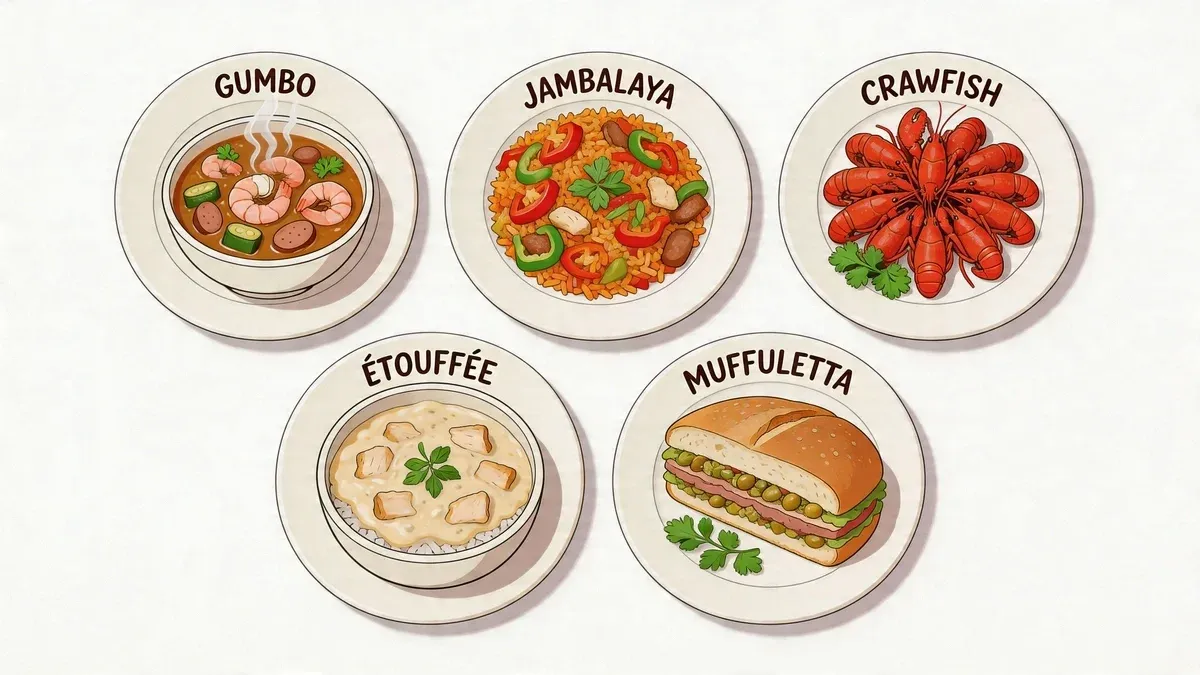
If your menu feels flat on delivery apps, Cajun food is worth a serious look. Customers already understand the flavor profile. They expect comfort, spice, rice bowls, seafood, sandwiches, and sharable meals that feel more special than another basic combo. For operators, that matters because familiar dishes are easier to sell, easier to describe in app listings, and often easier to batch than trend-driven one-offs.
The bigger opportunity is operational. Many popular cajun dishes are built from repeatable bases like roux, rice, sausage, peppers, onions, and celery. That cross-use helps kitchens simplify prep, tighten ordering, and reduce dead inventory when the menu is planned with intent. If you’re also managing Uber Eats, DoorDash, and Grubhub, that kind of overlap can make a real difference in labor and order accuracy.
There’s also a broader market signal behind the flavor category. The global Cajun spice market is projected at USD 638.5 million in 2025 and USD 1,001.1 million by 2035, with a projected 4.6% CAGR. That doesn’t tell you which dish to run tomorrow, but it does support the idea that Cajun flavor isn’t a niche bet.
The catch is execution. Some dishes travel beautifully. Others fall apart if the packaging, hold time, or menu setup is sloppy. That’s why this guide stays focused on the operator side. Which dishes are strong for restaurant delivery, which ones need guardrails, and how POS integration can help you keep the menu profitable instead of chaotic.
If waste is already eating into margins, pair this menu work with a smarter process for cutting food waste to boost profits.
1. Gumbo
Gumbo belongs on any list of popular cajun dishes because it’s foundational to the cuisine itself. Its structure is also why it works so well in restaurant operations. Gumbo starts with a roux, then builds with bell pepper, onion, and celery, and usually finishes with proteins like sausage, chicken, or seafood before serving with rice, as outlined in this Cajun food guide. In practice, that means one dish can support multiple menu variants without forcing the kitchen to reinvent its prep flow.
For operators, gumbo is one of the easiest Cajun items to turn into a clean production system. The base can be made in batches. Proteins can be split by daypart or demand. Portions are simple to standardize, and customers already understand the item without extra menu education.
Here’s a kitchen view worth remembering.
Why gumbo works in restaurant delivery
Gumbo holds heat well and usually survives transport better than fried Cajun items. It also gives you room to create clear modifiers such as chicken and sausage or seafood, then map those directly in your POS and delivery menu structure.
If you’re running Clover, build separate item variants for each gumbo style so an Uber Eats or DoorDash order flows into the kitchen with the right price and inventory pull through OrderOut for Clover. That’s much cleaner than one generic “gumbo” button with handwritten edits.
Practical rule: Pre-portion gumbo before peak. Ladling to order sounds harmless until the line stacks up and portion sizes drift.
A few decisions usually work well:
- Batch the base early: Make the roux and vegetable base during slower prep windows so line cooks only finish and portion.
- Keep rice controlled: Hold rice separately until packing if you want better texture control on longer delivery runs.
- Add reheating guidance: A short note in the bag reduces complaints from customers who overheat and break the texture.
- Merchandise visually: If you need help presenting it in-store, these menu board ideas for restaurants can help position hearty dishes more clearly.
What doesn’t work is letting every cook freestyle the roux color. Gumbo quality starts there, and guests notice inconsistency fast.
2. Crawfish Boil
A crawfish boil is less of a dish and more of an event. That’s part of the appeal, and part of the operational challenge. The communal format sells excitement, but it doesn’t naturally fit the neat, individual-container logic of restaurant delivery.
Operators either make smart adaptations or create a mess. If you list crawfish boil as a standard menu item with no packaging plan, expect complaints about leaks, soggy sides, and confused customers. If you treat it as a seasonal feature or bundle with clear portions and handling notes, it can become a strong promotional item.
How to sell a communal dish through delivery apps
The best move is usually packaging by component. Keep the crawfish and boil liquid managed tightly, and separate anything that turns mushy fast. Family bundles also make more sense than trying to push a tiny single-serve version of a dish customers associate with sharing.
Square makes seasonal activation easier if you want to turn the item on only when supply and labor line up. Through OrderOut for Square, you can update availability across delivery channels without chasing multiple tablets.
A practical setup looks like this:
- Sell it as a limited-time feature: Seasonal language creates urgency and sets expectations that the item won’t always be available.
- Use bundle naming clearly: “Family crawfish boil” is easier to understand than a vague branded name.
- Include handling notes: Tell customers this is a hands-on meal and add cleanup items if your brand can support it.
- Watch substitution creep: Too many side swaps slow down an item that should feel festive but operationally simple.
Keep the experience big, but keep the ticket build simple. Communal food falls apart when every order becomes custom.
What doesn’t work is pretending the in-person boil experience transfers directly to delivery. It doesn’t. The restaurants that win with this item redesign the format without losing the spirit.
3. Po’Boy Sandwich
The po’boy is one of the most practical popular cajun dishes for modern off-premise sales. Customers know what it is. Prep is fast when the station is organized. And unlike some plated Cajun dishes, the portion is easy to define, price, and train.
That said, po’boys punish sloppy assembly. Bread quality, fill level, and moisture control decide whether the sandwich arrives intact or turns into a steamed sponge. If your team over-sauces or wraps too tightly while the filling is still venting heat, delivery quality drops fast.
Build po’boys for speed and consistency
The trick is standardization without making the sandwich feel mass-produced. Set exact bread cuts, exact protein portions, and a rule for when sauces go on the sandwich versus in a side cup. Fried shrimp po’boys and roast beef po’boys may share a name, but they don’t behave the same way in transit.
Quick-call buttons in your POS can save line time during rushes. Separate the most common builds instead of making staff tap through modifier screens on every order. That’s especially useful when orders from DoorDash and Grubhub hit at the same time and the sandwich station has no margin for indecision.
A few reliable practices:
- Wrap in foil first: Foil helps shape retention and heat control.
- Box after wrapping: The outer box protects the bread from crushing during courier handling.
- Hold wet toppings back when needed: Lettuce, tomato, pickles, and sauce can go on the side for longer travel times.
- Use combo logic intentionally: A sandwich, side, and drink bundle is a simple way to raise ticket value.
If you want stronger side pairing ideas, this guide on what to serve with sandwiches can help shape a more profitable bundle.
What doesn’t work is treating every po’boy like an in-house sandwich. Delivery versions need tighter build rules than dine-in versions. The bread has to survive the ride.
4. Jambalaya
Jambalaya is one of the best operational dishes in the Cajun set because it solves several restaurant problems at once. It’s a one-pot format, it’s familiar to guests, and it fits single-container packaging better than many saucier dishes. When a kitchen needs a hearty, high-appeal item that can be batched without looking like a compromise, jambalaya is usually near the top of the list.
It also gives operators flexibility. If supply shifts, the protein mix can shift with it, as long as the guest-facing description stays clear and the recipe standards stay tight. That flexibility matters more when delivery sales are unpredictable and you need menu items that can absorb small purchasing changes.
Why jambalaya is a food tech friendly item
Jambalaya does well when recipes are codified inside your POS and synced into delivery workflows. If an Uber Eats order comes through for seafood jambalaya, the kitchen should see the exact variant, and inventory should move correctly without a manager translating tablet notes by hand.
Integrated order flow helps. With OrderOut tied into your POS, a structured jambalaya menu reduces manual entry and cuts the chance that staff rings in the wrong variation during a rush.
The fastest kitchen is usually the one that decided things earlier. Jambalaya rewards prep discipline more than line improvisation.
Operationally, focus on these points:
- Keep rice texture consistent: Guests forgive a lot, but mushy jambalaya gets refunded.
- Package for reheating: Microwave-safe containers and a short reheating note reduce quality complaints.
- Forecast by daypart: Lunch demand often looks different from dinner demand on rice bowls and one-pot dishes.
- Cross-use ingredients: The same vegetable base can support other Cajun items if prep is organized well.
If your menu already includes regional comfort food, there’s value in comparing customer behavior across cuisines. This roundup of traditional Caribbean dishes is useful for that kind of menu thinking.
What doesn’t work is running too many jambalaya variants at once. A focused set of options performs better than a long list that dilutes prep and confuses customers.
5. Beignets
Beignets are one of the few dessert items that can strengthen your Cajun identity immediately. They’re recognizable, impulse-friendly, and easy to feature as an add-on. For many operators, that’s the main reason to keep them on the menu. They don’t need a long explanation, and they pair naturally with coffee and late-day cravings.
The challenge is freshness. Beignets lose their magic quickly if they sit too long, absorb grease, or trap steam in the wrong packaging. They can still work well for delivery, but only if your kitchen times the fry and pack process carefully.
How to keep beignets profitable
Treat beignets as a controlled upsell, not just a dessert afterthought. Add them to coffee order suggestions in your POS. Create simple pack sizes, and don’t overload the modifier screen with unnecessary custom options.
Packaging matters more than many teams expect. Paper bags with a barrier layer usually work better than fully sealed containers because they reduce moisture buildup. If you’re heavy-handed with powdered sugar, include wipes. That small detail improves the delivery experience more than most operators think.
Consider these moves:
- Run fixed count packs: Three, six, and twelve are easier to train and merchandise than custom quantities.
- Fry close to handoff: Don’t make them too early just to feel prepared.
- Protect the bag station: Powdered sugar spreads fast and slows assembly if the setup is sloppy.
- Use dessert prompts in the POS: Cashiers and online menus both need the upsell built in.
For operators exploring dessert-led off-premise ideas, this piece on running a dessert food truck business offers useful merchandising ideas.
What doesn’t work is packing beignets in airtight plastic while they’re still hot. That turns a crisp exterior into a damp one before the driver reaches the customer.
6. Red Beans and Rice
Red beans and rice is one of the most forgiving dishes on this list. It batches well, holds well, and gives kitchens a reliable comfort item that doesn’t depend on fragile last-minute execution. That makes it especially useful for operators who want a Cajun-adjacent anchor that’s affordable to prep and easy for staff to portion consistently.
It also works well as a calendar item. A recurring special gives customers a reason to order on a slower day, and the operational rhythm becomes easier for staff once the pattern is established.
A dependable dish for restaurant operations
Use a day-based promotion inside your POS instead of trying to remember it manually every week. A “Monday red beans and rice” setup can be scheduled, priced, and pushed consistently across your direct and third-party channels if your systems are connected.
The dish also creates good opportunities for size tiers. Small, regular, and large portions are easy to understand, and they help the menu capture both solo lunch orders and family add-ons without changing the core prep process.
A strong operating approach includes:
- Cook in true batches: Don’t nickel-and-dime the line with tiny replenishment pots.
- Pre-portion before rushes: This improves speed and cuts serving variation.
- Use sausage strategically: One smoked sausage SKU can support multiple Cajun dishes if planned well.
- Track weekly demand: Integrated delivery reporting helps identify whether the item performs better as a special or as a daily staple.
What doesn’t work is treating red beans and rice as filler. Guests know when it tastes like an afterthought. Even a simple dish needs consistency in seasoning, bean texture, and rice quality.
7. Muffuletta Sandwich
The muffuletta sits in a different lane from the po’boy. It’s less about hot-line speed and more about assembly discipline, ingredient quality, and strong menu positioning. Done right, it’s a premium sandwich that travels well and feels substantial enough to justify a higher check.
Its biggest operational advantage is that the core identity is stable. Bread, layered meats, cheese, and olive salad create a clear product with very little mystery for staff or guests. Its biggest risk is ingredient management. If your cold cuts rotate poorly or the olive salad isn’t controlled, quality slips before anyone notices on the line.
Why the muffuletta suits delivery
This is a sandwich that often improves slightly as flavors settle, which makes it friendlier to transport than fried builds. It’s also naturally suited to half and whole formats, giving you an easy way to serve solo customers and groups without reengineering the item.
If you manage ingredient-level stock inside Square, a connected setup through OrderOut on Square can help keep your delivery menu aligned with what the kitchen has on hand. That matters when cold cuts and cheese need tighter freshness rotation than dry pantry items.
A few operator habits make a difference:
- Batch the olive salad: It’s a strong prep item and a real brand differentiator.
- Offer half and whole sizes: This broadens appeal without creating extra kitchen complexity.
- Wrap for oil control: Foil plus an outer box keeps the sandwich contained and presentable.
- Train the layer build: Consistent stacking improves both taste and cut quality.
What doesn’t work is overstuffing it for visual effect. A sandwich that spills apart in delivery photos hurts repeat ordering more than a neatly built one ever will.
8. Crawfish Étouffée
Étouffée is one of the clearest examples of a dish that customers love and kitchens can mishandle. The name comes from French, meaning “to smother,” and the dish emerged in the 1950s among Cajuns along the Atchafalaya River before gaining broader popularity, later reaching a wider audience through Galatoire’s menu in New Orleans, according to the American Association of Geographers feature on Cajun and Creole dining. For operators, that history matters because étouffée carries a stronger authenticity signal than many generic “Cajun pasta” style menu items.
It also comes with a built-in delivery warning. The smothered texture is part of the appeal, but it’s also what degrades when the dish sits too long or gets packed poorly. Sauce consistency can break, and rice can go soggy if the ratio is off.
Protect texture and timing
The smartest way to run étouffée is to batch the sauce base, then finish carefully during service. Don’t leave the fully finished dish sitting in a steam well and expect it to hold its best texture through a delivery run.
If you’re using Clover, connected pricing and seasonal availability controls through OrderOut for Clover restaurants can help you manage when the item appears and how it’s priced across channels.
Étouffée sells on richness. If the sauce turns thin or greasy, the whole dish feels wrong even when the flavor is still there.
Keep these practices tight:
- Separate rice when needed: For some operations, packing rice and sauce distinctly improves texture on longer runs.
- Finish proteins carefully: Add delicate seafood close to portioning rather than too early.
- Train for sauce consistency: Every cook should know the acceptable thickness before packing.
- Feature it with intention: This isn’t a throwaway side item. It should read like a signature plate.
What doesn’t work is assuming all roux-based dishes hold the same way. Gumbo and étouffée need different delivery handling because guests expect very different textures.
9. Blackened Fish or Chicken
Blackened fish or chicken is one of the fastest ways to add Cajun flavor without building an entire roux-and-rice menu. It gives you a flexible center-of-plate protein that can work in bowls, plates, sandwiches, and salads. That versatility is what makes it attractive to operators. One spice blend can support several menu paths.
This item is also useful when you want Cajun character without leaning too hard into heavy stews. It broadens the menu and helps balance richer dishes like gumbo or étouffée.
Fast execution, but only with tight line control
Blackening isn’t hard, but it is unforgiving. If the pan heat is wrong or the seasoning load isn’t standardized, you get bitterness, smoke problems, or overcooked protein. The best version comes from a repeatable spice mix, consistent cook times, and a vented package that doesn’t steam the crust away.
For delivery, pair it with sturdy sides. Rice, vegetables, and firmer starches tend to hold better than delicate fries unless your fry packaging is excellent. If you sell chicken, you can also borrow some menu language and seasoning logic from broader grilled and smoked programs. This guide to bar-b-q menu planning is useful for thinking through plate structure, and these barbecue rubs for chicken are a good reminder that seasoning systems work best when they’re standardized.
A practical station setup includes:
- Make one house blackening blend: Don’t let each cook season by instinct.
- Use quick-call POS buttons: Protein plus side combinations should be easy to ring.
- Vent the container: Steam is the enemy of the crust.
- Offer more than one protein: Fish and chicken let guests choose comfort level and price point.
What doesn’t work is packing blackened protein in a sealed box straight off the line. The crust softens fast, and the dish loses the texture that made it appealing in the first place.
10. Shrimp and Grits
Shrimp and grits sits at the premium end of this list. It’s comfort food, but it also signals craftsmanship when the texture is right and the shrimp are cooked cleanly. For operators, that makes it a useful bridge item. It fits Cajun and Southern menus, supports a higher-end feel, and can lift the perceived quality of the whole menu if the execution is disciplined.
The risk is that both components can fail in opposite directions. Grits tighten as they sit. Shrimp overcook in minutes. So the item needs a prep strategy that respects both realities.
How to run it without slowing the line
Batch the grits. Finish the shrimp to order. That’s the basic rule. The grits need to be held at a texture that still eats well after packing, and the shrimp should be added as close to handoff as possible so they don’t go rubbery.
This dish also benefits from stronger inventory discipline than simpler rice dishes. Seafood turnover, holding standards, and prep timing all matter. If your POS supports ingredient tracking, use it to keep shrimp ordering tighter and to avoid carrying excess product into weak demand days.
A strong execution plan looks like this:
- Hold grits correctly: They should be creamy, not loose and not set like paste.
- Pre-build the sauce base: Finish quickly on the line without building from scratch.
- Position it as premium: The menu description should justify the placement.
- Pack to preserve heat: The dish needs warmth to keep the textures integrated.
What doesn’t work is fully assembling shrimp and grits too far ahead. The grits tighten, the shrimp toughen, and the guest pays for a premium dish that eats like leftovers.
Top 10 Cajun Dishes Comparison
Item 🔄 Implementation Complexity ⚡ Speed / Efficiency Resource Requirements ⭐ Expected Outcomes / Quality 📊 Ideal Use Cases Gumbo High, requires dark roux skill and long simmer Slow, 2–3 hrs total, low active prep Stock/roux ingredients, proteins, rice; freezer-friendly ⭐⭐⭐⭐, high perceived value, strong repeat demand Batch delivery, menu staple, high-margin entree Crawfish Boil Medium, simple cook but heavy logistics & live-supply mgmt Moderate, quick boil per batch but seasonal prep Live crawfish, large pots, water/equipment; seasonal ⭐⭐⭐, exceptional margins in season; volume-driven Seasonal group orders, catering, pickup/short delivery Po’Boy Sandwich Low, standardized assembly and portioning Very fast, 5–7 minutes per order Fresh French bread, fryer, quality proteins, condiments ⭐⭐⭐⭐, consistent, repeatable, good margins Fast delivery/lunch service, upsells (sides/drinks) Jambalaya Medium, one-pot layering technique, consistent rice control Moderate, simmer-based, batch-friendly (8–12 servings) Large pots, rice, proteins, spice inventory ⭐⭐⭐⭐, cost-efficient, high-volume delivery item Batch cooking for delivery, full-meal orders Beignets Low–Medium, frying skill; short freshness window Fast, 2–3 min fry, frequent small batches Fryer, dough prep, powdered sugar; packaging for mess ⭐⭐⭐, very high margins but time-sensitive quality Dessert upsell, coffee pairings, pickup preferred Red Beans & Rice Low, passive slow-cook but long lead time Slow, 4–6 hrs slow-cook, low active labor Dried beans, inexpensive meats, slow cookers, rice ⭐⭐⭐⭐, extremely low cost, strong margins & loyalty Economy/weekly specials, batch delivery, freezer stock Muffuletta Sandwich Low, cold assembly, minimal cooking Fast, pre-makable, assembles quickly Quality sesame loaf, olive salad, cold cuts, refrigeration ⭐⭐⭐⭐, premium pricing, good margins, stable quality Premium delivery, group orders, catering Crawfish Étouffée High, roux technique and careful sauce finishing Moderate, ~1.5–2 hrs; batch possible with timing Crawfish tails (seasonal), roux ingredients, rice ⭐⭐⭐⭐, premium item with high margins when available Special-occasion delivery, premium menu feature Blackened Fish/Chicken Medium, high-heat searing skill required Very fast, 5–7 min cook, order-to-cook model Fresh fish/chicken, cast-iron or high-heat equipment, spice blend ⭐⭐⭐, strong perceived value; timing-critical for quality Quick-order protein option, health-focused menus Shrimp & Grits Medium, grits technique + fresh shrimp finishing Moderate, grits batchable, shrimp cooked per order Stone-ground grits, Gulf shrimp, pan-sauce ingredients ⭐⭐⭐⭐, premium, high-margin signature dish Brunch/dinner premium offering, signature delivery item
Your Next Step From Menu Planning to Seamless Operations
Adding popular cajun dishes can refresh a menu fast, but adding them profitably takes more discipline than enthusiasm. The restaurants that make Cajun food work long term don’t just choose iconic dishes. They choose dishes that fit their kitchen, labor model, and delivery mix. That usually means balancing a few batch-friendly anchors with a few signature items that create identity.
Gumbo, jambalaya, and red beans and rice are strong examples of operationally friendly dishes. They let you batch prep, cross-use ingredients, and control portions without making the food feel generic. Po’boys and muffulettas can drive lunch and late-day demand when your sandwich station is organized well. Étouffée, blackened proteins, and shrimp and grits can push the menu upmarket, but only if the line can protect quality during peak periods.
The key question isn’t just which Cajun dishes are popular. It’s which ones survive your actual workflow. If your staff is already juggling dine-in, pickup, and restaurant delivery, some dishes will help and some will create friction. A good menu trims friction. It doesn’t romanticize complexity.
That’s where systems matter. If your team is manually re-entering Uber Eats, DoorDash, and Grubhub orders into the POS, every new menu item creates another chance for errors. Wrong modifiers. Missed tickets. Bad inventory counts. Staff stuck bouncing between tablets instead of cooking. Those problems don’t come from Cajun food itself. They come from disconnected operations.
A direct POS integration changes the equation. When delivery orders flow automatically into Clover, Square, or another supported system through OrderOut, the kitchen gets cleaner tickets, managers get better sales visibility, and staff gets time back. That’s especially important with Cajun menus because many of these dishes depend on variants, portion consistency, and prep timing. If the order enters the system wrong, the food usually follows.
This also affects waste control. Cajun menus often rely on shared ingredients like rice, sausage, peppers, onions, celery, sauces, and seafood. With cleaner reporting and synced menus, you can see what is moving across channels and cut back on items that create inventory drag. That improves prep planning, reduces unnecessary remakes, and helps staff stay productive during rushes.
Start small if you need to. Add one batch-friendly bowl, one sandwich, one premium signature item, and one dessert. Watch how they perform by channel. Tighten packaging. Simplify modifiers. Then expand only where the kitchen can keep standards high. That approach usually beats launching a giant Cajun menu all at once and hoping the staff figures it out.
If you’re ready to stop wasting time on manual entry and make your delivery operation easier to manage, start free onboarding with OrderOut Dashboard.
If you’re adding popular cajun dishes to your menu, don’t let manual tablet entry erase the upside. OrderOut connects Uber Eats, DoorDash, and Grubhub directly into POS systems like Clover, Square, Pecan, and others so your team can reduce errors, save time, and run smoother restaurant delivery operations.