
Mastering Permits for Restaurant Business: Your 2026 Guide
· Thibault Le Conte
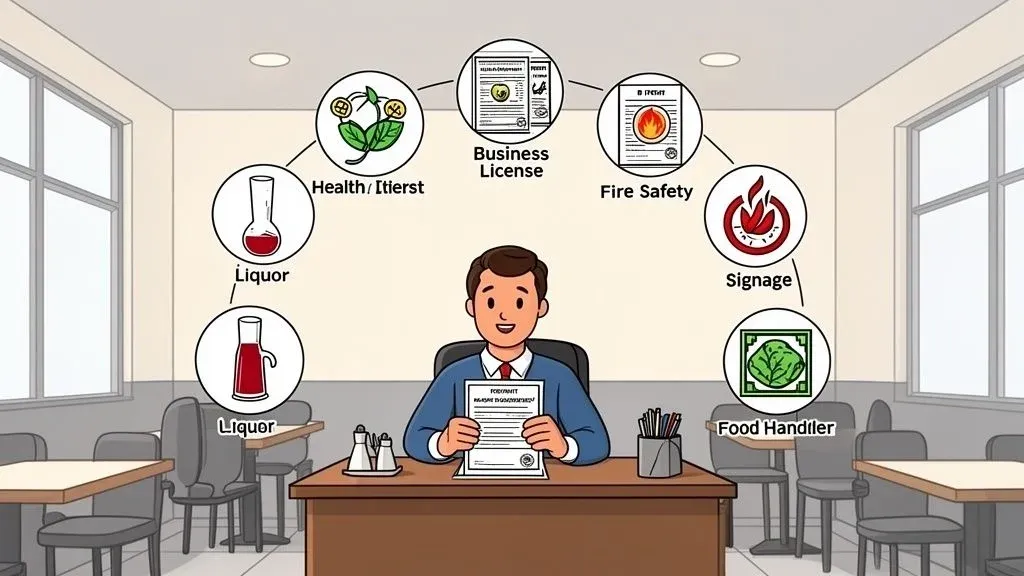
Opening a restaurant is about passion, food, and hospitality. But before you can serve your first customer, you need to navigate the world of permits and licenses. In simple terms, these are the official permissions you need to operate legally and safely. Getting this right isn’t just about avoiding rules; it’s about building a strong, successful business from the ground up.
Why does this matter? A simple mistake, like missing a renewal date, can lead to huge fines or even a temporary shutdown. This directly impacts your efficiency and revenue, from in-house dining to your delivery orders. This guide will provide actionable steps to master the permit process.
Your Essential Restaurant Permit Checklist
Think of permits as the blueprint for your restaurant’s safety and legality. Without them, everything you’ve built—your menu, your brand, your team—is at risk. Each permit proves something important: that your food is safe, your building is secure, and you’re a legitimate business.
These three are the absolute must-haves to get started.
The Business License, Food Service License, and Health Permit are the foundational documents for compliance. An inspector will always ask for these first, so let’s break down what they are and why they are critical for your restaurant operations.
What To Expect From Regulators
The U.S. restaurant industry is heavily regulated, with over one million restaurants all navigating this process. The first step for anyone is obtaining a general business license, which allows you to legally operate in your state.
Following that, you’ll need a food service license to register with the local health department, and a health permit from your city or county. These aren’t one-time tasks. They have renewal dates you must track meticulously to avoid disruptions.
Real-World Example: I’ve seen a great restaurant miss its health permit renewal. The city issued a closure order on a Friday afternoon. They lost an entire weekend of revenue, including all their dine-in and high-volume delivery orders from platforms like DoorDash and Uber Eats. This is a costly mistake that directly impacts staff productivity and is entirely preventable with better operational planning.
The Most Common Permits You’ll Need
While the exact names and fees vary by location, the following permits are nearly universal. Understanding them now saves you time and reduces errors later.
This table provides a clear, actionable checklist for your initial permit applications.
Quick-Reference Guide to Essential Restaurant Permits
Permit Type What It’s For Typical Cost Range Issuing Authority Business License Grants you the legal right to operate a business in your city and state. This is the master key. $50 - $400 City or County Clerk’s Office Food Service License Registers your establishment with the health department, allowing you to prepare and sell food. $100 - $1,000 County or State Health Department Health Permit Certifies that your facility passed a health inspection and meets all sanitation and safety codes. $100 - $1,000 City or County Health Department Food Handler’s Permit Required for all staff handling food; confirms they have basic food safety training. $10 - $15 per employee State or accredited third-party provider
This table is a great starting point, but always verify specific requirements with your local authorities.
Let’s look closer at a few of these in non-technical terms:
- Business License: This is your basic permission to operate. It’s the government’s official confirmation that you are a legal business entity. You should apply for this first.
- Health Department Permit: This is your “seal of approval” for food safety. It tells customers you meet all health codes for storing, preparing, and serving food. You cannot open without it.
- Food Handler’s Permit: This is for your team. Any employee touching food, from the head chef to prep cooks, needs this certification. It shows they have basic food safety knowledge. You can learn more about food handler certification costs to budget for your team.
Why it matters: Smart food tech can streamline these processes. For instance, a modern POS system like Square can automatically track the sales data needed for your seller’s permit (for sales tax). This POS integration reduces administrative work, saving you time and lowering the risk of errors. This frees you up to focus on keeping your kitchen compliant and your staff productive.
Getting Your Day-to-Day Operational Permits in Order
Once your business entity is set up, it’s time to focus on the permits that govern your daily operations. Think of these as the rules that keep your staff and customers safe. Getting them right from the start will save you significant time and money.
You’ll be dealing with city, county, and state agencies, each with its own process. A delay in one permit can cause a domino effect, pushing back your opening date. This is why having an organized plan for your permits is a non-negotiable part of your business strategy, directly impacting your restaurant’s efficiency.
H2: Acing Your Health Department Permit for Better Restaurant Operations
The health department permit is the most critical one. It’s the official certification that your restaurant meets all local food safety standards, from cooler temperatures to hand-washing protocols. You cannot legally serve food without it.
To get the permit, you must pass an on-site inspection. Many new owners fail because they don’t consider health codes until the end. Smart operators design their kitchen layout and workflows around the inspector’s checklist from day one. This helps you pass the first time and builds efficiency into your daily routine.
Here are actionable insights to prepare for your inspection:
- Create Clear Zones: Design your kitchen to prevent cross-contamination. This means having separate areas for raw meat preparation versus ready-to-eat foods.
- Nail Your Temperatures: Ensure every refrigerator, freezer, and hot-holding unit is calibrated to hold food at safe temperatures. This is a major focus for inspectors and reduces food waste.
- Drill Your Team: Your staff are your first line of defense. Train them on hand-washing, glove use, and sanitation until it becomes second nature. An inspector will watch their habits closely.
This isn’t a one-time test. Health inspectors can arrive unannounced, so these standards must be part of your daily culture.
Your health permit is a public promise of safety to your customers. That “A” grade in the window isn’t just a requirement; it’s powerful marketing that builds trust and drives business. It’s a cornerstone of excellent restaurant operations.
The Business License and Certificate of Occupancy
While the health permit focuses on food, the Business License and Certificate of Occupancy (C of O) confirm your legal right to operate in your chosen space. A business license is straightforward: it’s your city’s permission to do business.
The Certificate of Occupancy is about the building itself. It verifies that your space is safe for the public and complies with all building, fire, and zoning codes. An inspector will check:
- Fire exits and extinguishers.
- Safe electrical wiring and plumbing.
- Accessibility for people with disabilities.
- The maximum occupancy limit.
That last point directly affects your revenue. It determines your seating capacity, which limits your dine-in revenue and how many delivery orders your kitchen can handle during peak times. In complex markets, it’s wise to find expert permit assistance in Chicago or your local area to save time.
Tying Compliance to Food Tech and Efficiency
When you handle permits correctly, you build a foundation for an efficient, modern restaurant. A kitchen designed to meet health codes makes it easier to install and integrate a new POS or kitchen display system, improving your entire workflow.
Real-World Example: A streamlined POS like Clover can optimize order flow, but it’s only effective in a well-organized kitchen that has already passed its health and C of O inspections. If your space is chaotic, no food tech can fix those fundamental issues. The same logic applies to mobile operations; we cover these unique challenges in our guide on regulations for a food truck.
Practical Next Step: View permits as the blueprint for an efficient and profitable restaurant. By prioritizing compliance from the start, you avoid costly delays and build an operation designed for success.
Getting Permits That Actually Make You Money
Most people see permits as a chore. But some permits aren’t just about compliance—they’re strategic tools that can directly boost your revenue and improve your restaurant’s efficiency.
Think of these as investments. With smart planning, you can turn the extra paperwork into a significant financial advantage.
That Coveted Liquor License
The liquor license is often the most challenging and expensive permit to get, but its payoff is huge. The reason is simple: profit margins on alcohol are significantly higher than on food. A liquor license directly increases your revenue potential.
Your state’s Alcohol Beverage Control (ABC) board is the gatekeeper. They offer different licenses, from a basic “beer and wine” permit to a “full liquor” license for spirits and cocktails. The application process is lengthy and includes background checks, public notices, and community board hearings.
It can take over a year and cost tens of thousands of dollars to get a full liquor license in some cities. You must build this into your business plan from the very beginning.
Once licensed, your operations must be precise. Your POS system needs to track every drink for tax and inventory. Real-World Example: A modern POS like Square is a lifesaver here. Its POS integration capabilities automate sales reporting, saving you hours of manual work and ensuring you stay compliant with the ABC board. This is a clear example of how food tech enhances restaurant operations and reduces errors.
Claiming Your Slice of the Sidewalk
A Sidewalk Café Permit allows you to place tables outside, effectively expanding your dining room and increasing your seating capacity. This is a direct way to boost revenue.
On a busy night, those extra tables can be the difference between a great service and turning customers away. It also helps manage the restaurant delivery rush. When your dining room is full, outdoor seating keeps dine-in guests happy while your kitchen can still manage orders from platforms like DoorDash and Uber Eats without becoming overwhelmed.
Here’s why it’s a game-changer for efficiency:
- A Living Advertisement: A busy patio is the best marketing you can get, attracting passersby.
- More Customers Served: More tables mean more customers per hour, which directly translates to more sales.
- An Unbeatable Vibe: Offering patio seating gives you a competitive edge, especially in good weather.
To get one, you’ll submit detailed plans to your city’s Department of Transportation, ensuring you follow all accessibility and public space rules.
Permits for Vibe: Music and Signs
The right atmosphere is crucial for the guest experience, but you need to create it legally. If you want to play music—whether live or a playlist—you need music licenses.
Performance rights organizations (PROs) like ASCAP, BMI, and SESAC protect artists. Paying their licensing fees is required to avoid expensive lawsuits. Don’t forget your Signage Permit, either. Your sign is a key marketing tool, and the proper permit ensures it doesn’t create legal trouble.
The list goes on. With roughly 78% of restaurants earning between $100,000 and $5 million a year, managing these details is key. If you are exploring a modern business model, there are also unique rules for ghost kitchens, which we cover in our guide on what is a ghost kitchen.
Your Practical Next Step: Choose one revenue-focused permit that aligns with your brand. If you’re a casual spot, research a sidewalk café permit. If you’re aiming for fine dining, start the liquor license process. Contact your city planning department for an application and checklist. Starting early is the smartest way to grow your restaurant.
Using Food Tech to Manage Permits and Boost Efficiency
Staying on top of all the different permits for a restaurant business can feel like a full-time job. Between tracking renewal dates and managing paperwork, it’s easy to get bogged down in administrative tasks. This takes you away from what you do best: running your restaurant.
Fortunately, technology can be your secret weapon for managing compliance and improving your restaurant operations.
Simple steps like setting calendar reminders for renewals are a good start. But the real breakthrough comes from leveraging the hub of your operation: your Point of Sale (POS) system.
H2: Let Your POS and Integrations Do the Heavy Lifting for Restaurant Operations
Many restaurateurs see their POS as just a cash register. That’s a huge missed opportunity. A modern POS is a source of invaluable business data—the same data you need for many permit applications and renewals.
When it’s time to renew your seller’s permit or calculate fees for your liquor license, you need detailed sales reports. Instead of digging through spreadsheets, your POS can generate these reports in a few clicks. This is a perfect example of how POS integration directly simplifies restaurant operations, saving you hours and preventing costly errors. This is a massive win for staff productivity.
Why it matters: When managers are freed from manually entering Uber Eats and DoorDash orders into the POS, they reclaim hours each week. That time can be reinvested into high-value tasks like managing permit renewals, ensuring compliance, and focusing on improving restaurant efficiency.
From Manual Chaos to Automated Clarity with POS Integration
This is where a tool like OrderOut becomes so powerful. It acts as a bridge, funneling orders from delivery apps like DoorDash and Uber Eats directly into your POS system. This single change has a ripple effect across your entire operation.
- Fewer Mistakes: Manual order entry leads to errors. Automation ensures the kitchen receives the correct order every time, reducing food waste and improving customer satisfaction.
- Increased Staff Productivity: Instead of being tied to tablets, your team can focus on making great food and serving guests. This speeds up your entire workflow.
- Accurate Data: With all sales—dine-in and delivery—in one system, your reporting is accurate and reliable. This makes tax time and permit paperwork much less stressful.
Real-World Example: The image above shows how an integration app connects multiple delivery platforms into a Clover POS. This creates a single, unified workflow. Building a smart tech stack is critical, and our guide on restaurant IT support can help.
You might also consider specialized AI legal software for broader compliance issues. By combining an automated order management tool like OrderOut with a modern POS like Square, you create an operation where food tech handles the repetitive work.
Practical Next Step: Integrate your delivery apps with your POS. This single action automates order entry, cleans up your data, and gives your team the time they need to focus on keeping your business compliant and growing.
Don’t Just Get Compliant, Stay Compliant: A Guide to Renewals and Inspections
Getting your permits is the starting line, not the finish. The real challenge is staying compliant every day. This means keeping your operations legal and safe, so you’re always ready for a surprise visit from the health inspector.
A restaurant with smooth workflows and clear staff roles is always inspection-ready. When you build compliance into your daily culture, you’re not just avoiding fines—you’re freeing up your team to focus on delivering a great guest experience. This is the heart of efficient restaurant operations.
Build Your Digital Compliance Hub
It’s time to replace binders and sticky notes with a central, digital system for tracking every permit, license, and certification. In simple terms, create one place to see all your critical compliance documents and dates.
A shared digital calendar is a great start. Set renewal alerts for 90, 60, and 30 days out. Create a secure cloud folder (e.g., Google Drive) with subfolders for each permit. Scan and save everything: the application, the approved permit, and all correspondence.
Why it matters: The goal is to create a system where any manager can instantly find a permit renewal date or document. This eliminates the risk of having a single point of failure and improves staff productivity by making information accessible. This is a foundational step for better restaurant operations.
Your Staff: The First Line of Compliance
Your team is on the front lines of compliance. A surprise health inspection is a direct test of their training and your operational standards. This requires ongoing, documented training sessions on the essentials:
- Food Safety: Hold regular refreshers on temperature logging, cross-contamination prevention, and sanitation. This reduces waste and ensures safety.
- Responsible Alcohol Service: If you serve alcohol, your team must master checking IDs and knowing when to refuse service. A single violation can jeopardize your most profitable permit.
- Inspection Protocols: Your staff needs a clear playbook for when an inspector arrives: who to notify, how to answer questions, and where to find documents.
Our guide on creating effective restaurant operating procedures provides a solid framework for this. A confident, professional team makes a strong impression on inspectors.
H3: How to Ace a Surprise Inspection with Better Restaurant Operations
When an inspector walks in, a calm and professional response sets the right tone. This is a collaborative check to ensure public safety.
Greet them professionally and ask to see their credentials. The manager on duty should accompany the inspector, taking notes and asking clarifying questions. Your goal is to understand any issues, not to argue. If they request documents, pull them up quickly from your digital files. If they flag a violation, act immediately. Fix simple issues on the spot and create a documented action plan for larger ones.
Why it matters: This is where POS integration and food tech can be a game-changer. Real-World Example: An inspector questions your cooler temperatures? A modern POS connected to smart sensors can provide a historical temperature log, proving compliance instantly. A system like Clover or Square can also provide the sales reports needed to verify tax compliance in seconds.
Practical Next Step: Weave compliance into your daily culture and use food tech to automate tasks. This turns inspections from dreaded events into routine administrative checks, freeing you to focus on growing your business.
Frequently Asked Questions About Restaurant Permits
The permit process can be confusing. Here are clear, non-technical answers to the most common questions from restaurant owners to help you avoid common mistakes.
What Happens If I Operate Without the Right Permits?
Operating without the correct permits is a high-stakes gamble that can ruin your business before it starts. The consequences are severe. You face steep fines that can cripple a new restaurant and the risk of being shut down by health or city officials. A shutdown order creates a negative record that makes it harder to get financing or insurance in the future.
Actionable Insight: It is always cheaper and less stressful to get your permits right from the beginning. Don’t cut corners here; it directly impacts your long-term efficiency and success.
My Permit Application Was Denied. What Should I Do Next?
A denial is frustrating but not final. First, carefully read the denial letter to understand the exact reason. It’s often a simple fix, like a missing form or incomplete information. Call the issuing agency to clarify what’s needed, correct the application, and resubmit it.
For more complex issues like zoning disputes, consider hiring a professional. An attorney specializing in local business licensing can save you significant time and reduce the risk of further errors.
How Long Does the Entire Permit Process Take?
The timeline varies depending on your location and the specific permits you need. A basic business license might take a few weeks. However, a liquor license can take many months, sometimes over a year.
Actionable Insight: Start the permit process at least 6 to 12 months before your target opening date. This buffer is the best way to handle unexpected delays without derailing your launch and costing you money in lost time.
How Can My POS System Help with Permit Compliance?
Your POS system is a powerful tool for restaurant operations and compliance. It’s more than a payment processor; it’s a central hub for your business.
Modern systems like Clover or Square are designed for this. Need to renew a seller’s permit? Your POS can generate detailed sales reports in seconds. Applying for a liquor license with revenue-based fees? The data is already there.
Why it matters: This is a perfect example of how food tech and POS integration boost efficiency. It automates a time-consuming manual task, freeing up your team to focus on revenue-generating activities like managing the dinner rush from platforms like Uber Eats and DoorDash. This directly improves staff productivity and reduces costly administrative errors.
Your Paperwork Is Done. What’s the Next Actionable Step?
Getting your permits is a major accomplishment, but it’s just the beginning. Now, the real work starts: running an efficient day-to-day business. One of the biggest drains on time and productivity for any new restaurant is manually entering orders from different delivery apps.
Think about the workflow: an order arrives, a staff member stops their task, walks to a tablet, and re-enters the order into your POS. This process is slow, prone to errors, and distracts your team from serving in-house guests.
Practical Next Step: Automate your online order flow. Sending orders from apps like DoorDash and Uber Eats directly to your kitchen is a game-changer. It eliminates manual entry, reduces errors, saves time, and lets your team focus on the food and service that define your brand. You can see how this works with popular POS systems like Clover and Square. This simple change significantly improves your restaurant’s efficiency and bottom line.
With OrderOut, you can start onboarding for Free in a few clicks and see the difference for yourself. Give it a try at our dashboard.