
How to Increase Sales at a Restaurant: Practical Strategies That Work
· Thibault Le Conte
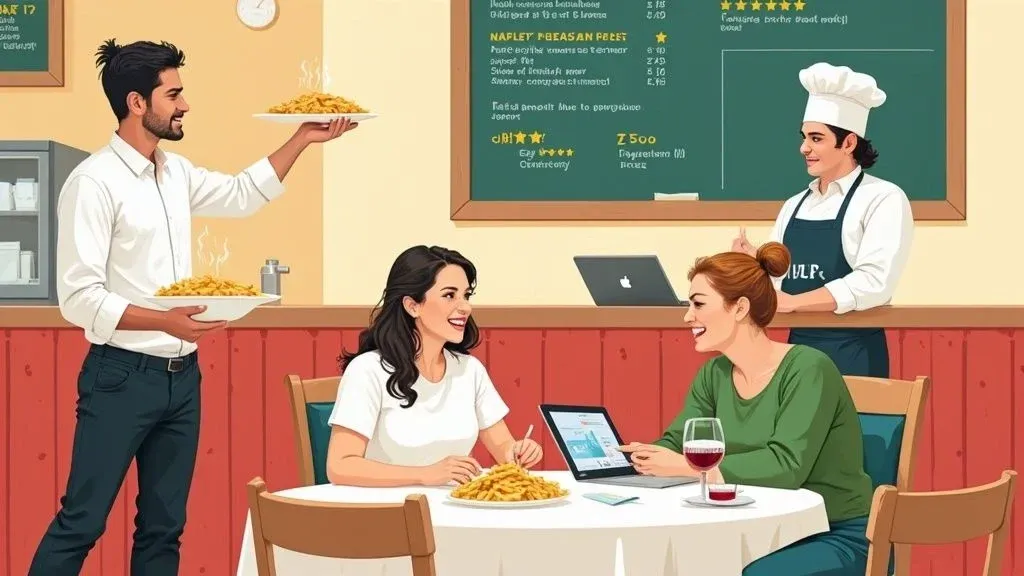
If you’re looking to boost your restaurant’s revenue, the first place to look isn’t your marketing budget—it’s your internal operations. The fastest and most effective changes involve optimizing your menu, empowering your staff, and streamlining your delivery process. Simply put, you need to turn your menu into a strategic sales machine and ensure your technology supports that goal. This guide provides actionable steps you can take today to increase sales and improve efficiency.
Build Your Foundation with Menu Engineering and Pricing

Before you launch new promotions, you need to nail the fundamentals. Your menu is your single most important sales tool. The simple act of analyzing what sells best and makes you the most money is called menu engineering. It’s the art of using your sales data to make smarter decisions about what to feature, what to re-price, and what to remove from your menu.
This is a core part of improving your restaurant operations. By understanding which dishes are most profitable and popular, you can streamline your kitchen, reduce food waste, and simplify inventory. This data lives inside your restaurant POS system, and using it is the first step toward building a more profitable business.
Identify Your Menu’s Winners and Losers for Better Restaurant Operations
To get started, menu engineering involves sorting every dish you sell into one of four categories based on its profitability and popularity. This simple classification will immediately tell you where to focus your kitchen’s time and your marketing dollars.
- Stars: These are your rockstars—high profitability and high popularity. You want to promote these heavily and make sure you never run out of the ingredients.
- Puzzles: These dishes are highly profitable but aren’t selling well. You need to figure out why. A better description, a new photo, or a recommendation from your staff could turn this item into a Star.
- Plowhorses: Everyone loves these, but they have low profit margins. The goal here isn’t to get rid of them, but to make them work harder for you. Can you bump the price slightly or pair them with a high-margin side?
- Dogs: These are the items that are neither popular nor profitable. They’re taking up prime real estate on your menu and complicating your inventory. It’s usually best to cut them loose.
Why It Matters: When you analyze your sales data this way, you can streamline your kitchen by focusing on high-performers. For example, by removing a “Dog” that requires unique, slow-moving ingredients, you reduce food waste and simplify ordering. This directly impacts your bottom line and improves staff productivity.
Design Your Menu to Sell Using Smart Food Tech
Once you know which items are your “Stars” and “Puzzles,” the next job is to guide your customers straight to them. We know from eye-tracking studies that people tend to look at specific spots first—often the top right and center of your menu. Put your highest-margin dishes in these prime locations to naturally increase their sales.
Language also matters. “Chicken Breast” is forgettable. “Pan-Seared Lemon-Herb Chicken with Roasted Asparagus” creates a picture in the customer’s mind and justifies a higher price. For a deeper dive, check out our guide on the essential elements of a successful restaurant menu.
And don’t just think about paper. Look into inspiring menu board design ideas to showcase your most profitable items. Your POS system, whether it’s a Clover or a Square, is your best friend here. It tracks the sales data you need, making menu engineering a continuous cycle of improvement, not just a one-off project.
Actionable Next Step: Pull a sales report from your POS for the last 30 days. List every item, its cost, its price, and how many you sold. Use this data to categorize your dishes and start redesigning your menu to actively drive the sales you want.
Turn Your Staff Into a Powerful Sales Team

Once your menu is optimized, your single biggest asset for boosting sales is your staff. Your servers are the face of your restaurant and your direct line to every customer. The goal is to transform them from order-takers into knowledgeable guides who can genuinely enhance the guest experience through suggestive selling. This isn’t about being pushy; it’s about empowering them to make smart, helpful suggestions that increase your average check size.
From Passive Questions to Active Suggestions for Better Restaurant Delivery
The difference between a passive server and a sales-savvy one can be just a few words. A passive server asks, “Anything else for you?” An active, well-trained server reframes the conversation to open up possibilities. They don’t just ask, they recommend.
See the difference?
-
Instead of: “Can I get you a drink?”
-
Try: “Our new spicy margarita is made with fresh-squeezed lime and a house-infused jalapeño tequila. It’s fantastic. Would you like to try one?”
-
Instead of: “Do you want dessert?”
-
Try: “The chef just pulled a fresh batch of our chocolate lava cakes from the oven. They pair perfectly with a scoop of vanilla bean ice cream.”
This small shift in language changes everything. For this to work, your team needs deep product knowledge. They have to taste the food, understand the ingredients, and be able to talk passionately about what makes your dishes special.
Why It Matters: A well-trained team turns tables far more profitably. By increasing the value of each check through smart upselling, you make more money from the same number of customers without needing new marketing spend. This maximizes the revenue potential of every seat, which is a cornerstone of efficient restaurant operations. It also improves staff productivity and tips.
Training and Incentives That Actually Work
Great suggestive selling comes from consistent training and the right motivation. Role-playing different scenarios during pre-shift huddles is one of the best ways to build confidence. Give your team the exact words to use. For example, teach them to swap “Want fries with that?” for “Would you like to add our garlic-parmesan fries to your burger?”
Once the training is in place, a little friendly competition can work wonders.
- Run a Weekly Contest: Offer a cash bonus to whoever sells the most of a specific high-margin appetizer.
- Set Team Goals: Challenge the team to increase the average check size by 5% over the next month. If they hit the target, everyone shares a bonus.
These programs connect your team’s success directly to the restaurant’s growth. For more on fostering this kind of leadership, our guide on the core duties of a restaurant manager is a great resource. The table below shows just how powerful these small changes can be.
Upselling Impact on Average Check Size
Upsell Tactic Potential Value Add Per Check Revenue Increase (250 Customers/Week) Revenue Increase (500 Customers/Week) Add Premium Side (e.g., Truffle Fries) $3.00 $750 $1,500 Upgrade to Top-Shelf Spirit $4.00 $1,000 $2,000 Suggest a Glass of Wine with an Entrée $12.00 $3,000 $6,000 Add a Dessert to Share $9.00 $2,250 $4,500
The numbers don’t lie. Encouraging your team to suggest a simple side upgrade can translate into thousands of dollars in extra weekly revenue.
Actionable Next Step: Pick one high-margin appetizer and one premium beverage. For the next seven days, train your staff to specifically recommend these two items. Track the sales data in your Clover or Square POS and watch what happens.
Drive Growth with Local Marketing and Smart Promotions
Once your menu and team are optimized, it’s time to get more people in the door, especially during slow hours. A smart local marketing strategy is about giving your community compelling reasons to choose you. The goal isn’t just a one-time visit; it’s to build a loyal following that drives consistent revenue.
Create Buzz with In-House Promotions and Events
The best way to boost sales on a quiet Tuesday night is to give people a reason to show up. Smart promotions create a sense of urgency and can turn a regular evening into a can’t-miss event.
- Rethink Your Happy Hour: Build a dedicated happy hour menu with exclusive small plates and signature cocktails.
- Host Themed Nights: Think “Taco Tuesday” or partner with a local brewery for a beer-pairing dinner.
- Build a Community Hub: A weekly trivia night or live music from a local artist turns your restaurant into a destination.
Why It Matters: Turning your slow periods into must-attend events does more than just bring in money; it smooths out your revenue curve. This makes staffing more predictable and keeps your entire team—from kitchen to front-of-house—productive all week, improving overall restaurant efficiency.
Build Loyalty and Encourage Repeat Business
We all know it costs more to win a new customer than to keep an existing one. A good loyalty program is a powerful tool for encouraging repeat visits. Modern POS systems make this a breeze. Platforms like Clover and Square often have loyalty features built right in, tracking customer spending and rewards automatically.
Offer rewards people actually want, like exclusive early access to a new menu item or a free dessert on their birthday. For a deeper dive, check out our guide packed with effective restaurant promotion ideas that deliver real results.
Dominate Your Local Digital Presence
Before anyone walks through your door, they’re going to look you up online. Your Google Business Profile (GBP) is your single most important tool for capturing local search traffic.
To make it work for you:
- Show Off Your Food: Upload professional, mouth-watering photos of your best dishes.
- Engage with Reviews: Respond to all reviews, good and bad.
- Keep It Current: Make sure your hours, address, and menu are always 100% accurate.
Actionable Next Step: Block out an hour today to overhaul your Google Business Profile. Upload ten new photos, respond to your five most recent reviews, and double-check that your menu link works. It’s a small investment of time that can immediately boost your visibility.
Make Your Digital Storefront Work For You, Not Against You

In today’s world, your online presence is just as important as your physical location. Customers use apps like Uber Eats and DoorDash, and if you’re not there, you’re missing a massive market. But simply being listed isn’t enough. The real challenge is handling the flood of delivery orders without creating chaos in your kitchen. This operational bottleneck can quietly drain profits and burn out your team.
The Hidden Costs of Manual Order Entry
Think about what happens when a delivery order comes in. A tablet chimes, and a staff member has to stop what they’re doing, walk over, read the order, and manually punch every single item and modifier into your POS. This isn’t just inefficient; it’s a productivity killer that is prone to errors. One missed “no onions” leads to a wrong order, wasted food, and an unhappy customer. This is exactly the kind of operational drag that modern food tech was built to eliminate.
How POS Integration Improves Restaurant Delivery
The solution is POS integration, which allows your delivery apps to send orders directly to your kitchen. Instead of your host manually entering orders, the process becomes instantaneous and error-free. An order placed on a customer’s phone pops up on your kitchen display seconds later, exactly as they entered it.
Why It Matters: Automating your restaurant delivery process with POS integration is a game-changer for efficiency. It frees up your staff to focus on in-house guests, which increases their productivity. By eliminating manual entry, you drastically reduce order errors, which saves money on food waste and remakes. This allows your kitchen to handle a higher volume of delivery orders without getting overwhelmed.
Real-World Example of POS Integration
This isn’t some far-off tech concept; it’s a practical tool that thousands of restaurants are already using. For example, a customer orders on Uber Eats. With an integration solution, that order flows directly into your Square POS automatically. The ticket prints in the kitchen with every modifier perfectly listed. The same process works for orders from DoorDash, which can appear on your Clover POS system right alongside your in-house tickets. Suddenly, you have one unified workflow. For more on this, our article on on-demand delivery breaks down the strategy.
Actionable Next Step: During your next busy shift, time how long it takes a staff member to manually enter one delivery order into the POS. Multiply that by your average number of delivery orders per day. That number is the pure labor time you could save, starting tomorrow.
Measure What Matters to Track Your Sales Growth
You can’t grow what you don’t measure. To seriously increase sales, you have to get comfortable with your numbers. This means focusing on a handful of key performance indicators (KPIs) that act like a real-time dashboard for your restaurant’s health. This data turns guesswork into strategy, showing you what’s working and what isn’t.
The Metrics That Drive Growth
Your Point of Sale (POS) system is a treasure trove of data. Every transaction tells a piece of your restaurant’s story. Let’s look at the metrics that matter most.
Average Check Size is one of the clearest indicators of your sales strategy’s success. It tells you if your staff’s upselling training is working or if your new menu design is encouraging guests to order more.
To dig deeper into this, check out our guide on how to calculate average revenue per customer.
Table Turnover Rate is all about efficiency. It tells you how quickly you’re seating new parties, which is critical during a busy dinner rush. A slow turnover rate is a huge red flag for your restaurant operations. It could mean the kitchen is backed up or service is dragging.
Why It Matters: These metrics work together. A high Table Turnover Rate is great, but not if your Average Check Size is plummeting because you’re rushing people. Your POS data helps you find the sweet spot that maximizes both efficiency and guest spending, leading to higher overall revenue.
To help you keep these straight, here’s a quick rundown of the essential KPIs you should be watching.
Essential Restaurant Sales KPIs
KPI Calculation Why It Matters Average Check Size Total Revenue / Number of Checks Shows if upselling, promotions, and menu engineering are effectively increasing guest spend. Table Turnover Rate Number of Parties Seated / Number of Tables Measures your dining room’s efficiency and your ability to maximize revenue during peak hours. Customer Acquisition Cost (CAC) Total Marketing Spend / New Customers Acquired Reveals how much it costs to bring in a new customer, helping you fine-tune your marketing budget. Customer Lifetime Value (CLV) Avg. Check x Purchase Frequency x Customer Lifespan Estimates the total revenue a customer will generate over time, highlighting the value of loyalty.
By regularly checking these numbers, you move from reacting to problems to proactively building a more profitable business.
Look Beyond the Daily Grind: Customer Costs and Value
It’s also crucial to understand the bigger picture of your customer base. This is where Customer Acquisition Cost (CAC) and Customer Lifetime Value (CLV) come into play. CAC is what you spend on marketing to get a new customer. CLV is the total amount you expect to make from that customer over time.
The goal is simple: your CLV needs to be much higher than your CAC. A high CLV is proof that your food, service, and loyalty programs are creating regulars. Tracking these metrics through your Clover or Square POS system empowers you to make much smarter marketing decisions.
Actionable Next Step: Set a recurring calendar reminder for the first of every month. Your task is to pull reports for your Average Check Size and Table Turnover Rate. Compare them to the previous month and ask, “What changed, and why?” This small habit is the first step to running a truly data-driven restaurant.
Your Action Plan for Increasing Restaurant Sales
All these strategies sound great, but where do you actually start? Turning ideas into revenue requires a concrete plan. The secret is to start small, measure your impact, and build momentum. Pick one or two high-impact changes—like a staff upselling contest or a new happy hour promotion—and focus your energy there first.
A Phased Approach to Growth
Instead of trying to overhaul everything overnight, think in phases. What can you accomplish this week? Perhaps it’s pulling sales data to identify your menu’s profit centers. What’s the goal for the first month? It could be rolling out new staff incentives based on that data.
Why It Matters: This approach of controlled, incremental improvements is key to sustainable growth. When you isolate a single strategy, you can clearly see its effect on your bottom line via your POS reports. This focus on efficiency and data-driven decisions allows you to invest your time and money where they will have the greatest impact.
This simple loop is how you build sustainable growth: you measure your starting point, analyze what happens when you make a change, and then use those insights to grow smarter.

This process ensures your efforts aren’t just busywork; they’re directly improving your restaurant’s operations. For real long-term success, make sure these initiatives are part of a larger data-driven growth strategy that turns your sales numbers into your most valuable asset.
Got Questions? We’ve Got Answers
Running a restaurant means you’re always looking for an edge. Here are answers to a few common questions from owners and managers trying to boost sales and streamline their operations.
What’s the Fastest Way to Drive More Restaurant Sales?
The fastest way is to sell more to the customers you already have and make your operation more efficient.
First, train your staff on suggestive selling. It’s an immediate lift with zero upfront cost that increases average check size. Second, automate your restaurant delivery process. If your team is manually punching in orders, you’re losing valuable time and risking errors. POS integration frees up staff, slashes order errors, and lets you handle more orders during peak times, directly improving staff productivity and reducing costs.
How Can I Boost Sales During Those Dreaded Slow Periods?
Slow periods are an opportunity to get creative with promotions that create urgency.
A few ideas that work:
- A “Weekday Lunch Club” with an exclusive, attractively priced menu.
- A late-afternoon happy hour with deals on signature cocktails and shareable appetizers.
- “Kids Eat Free” nights on historically slow evenings.
Why It Matters: The goal is to make your slowest hours a can’t-miss event. Giving people a compelling, time-sensitive reason to visit smooths out your revenue peaks and valleys, leading to more predictable income and better restaurant efficiency.
Is It Really Worth Investing in POS Integration for Delivery?
One hundred percent, yes. Let’s break it down in simple terms. Every minute a staff member spends re-typing an order from an Uber Eats tablet into your Clover or Square POS is a direct hit to your labor budget and a prime opportunity for costly mistakes. These errors lead to wasted food, comped meals, and bad reviews, all of which hurt your bottom line.
POS integration completely automates that workflow. Orders flow directly to your kitchen, error-free. The savings on labor costs, the money you get back from eliminating mistakes, and the increased volume of orders you can handle mean the system pays for itself very quickly. It transforms a major operational headache into one of your most efficient revenue streams.
Ready to stop manually punching in orders and start growing your sales? OrderOut automates your delivery workflow so you can focus on your food and your customers. Get started for Free in a few clicks.