
Top 10 Hospitality Technology Trends for Restaurants in 2025
· Thibault Le Conte
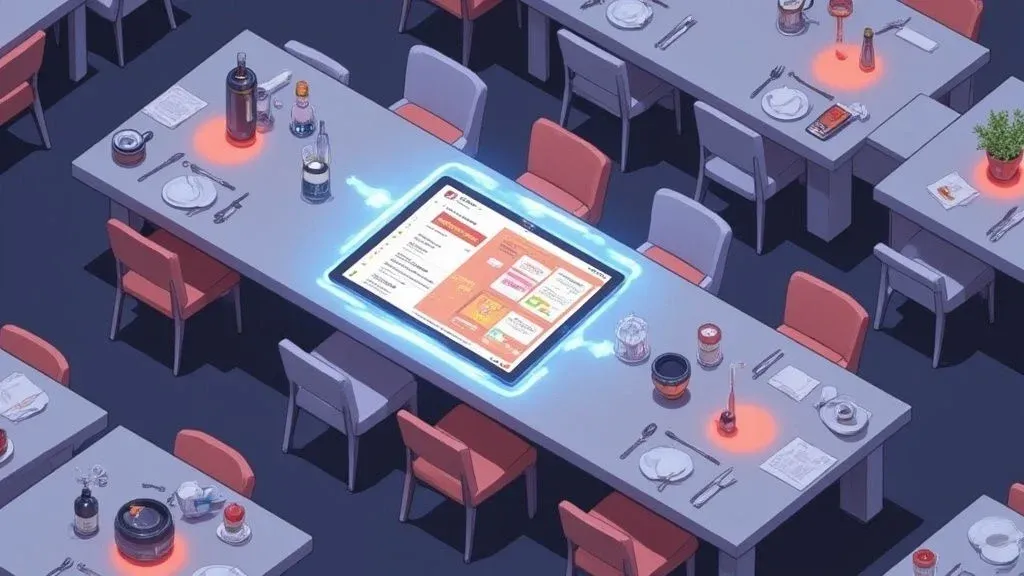
In today’s fast-paced food industry, staying ahead means embracing change. The right technology isn’t just a luxury; it’s a critical ingredient for success. From the kitchen to the customer’s doorstep, innovative solutions are streamlining restaurant operations, boosting efficiency, and delighting diners. Understanding the key hospitality technology trends is no longer optional—it’s essential for survival and growth in a competitive market.
This guide breaks down the top trends every restaurant owner and operator needs to know. We will explore what each technology is in simple terms, then dive into the specifics, and show you exactly why it matters for your bottom line. Our focus is on practical benefits that you can implement, such as improved restaurant delivery processes and seamless POS integration.
Instead of just listing concepts, we will provide actionable insights into how these food tech tools can reduce costly errors, save precious time, and empower your staff to perform at their best. We will also include real-world examples from platforms like DoorDash and POS systems such as Clover and Square to demonstrate these trends in action. Let’s explore how to leverage this technology for real-world growth.
1. AI-Powered Chatbots for Restaurant Operations
What it is: AI-powered chatbots are automated programs that talk to customers online. Think of them as a digital host who can answer questions, take reservations, and even place orders 24/7 without needing a human.
How it works: These systems use natural language processing to understand customer messages on your website or social media. They can be programmed to handle common inquiries like “What are your hours?” or “Do you have vegan options?” and can connect directly to your reservation or ordering system.
Why it matters for your restaurant: This technology directly boosts restaurant efficiency. A chatbot frees up your staff from answering repetitive phone calls and messages, allowing them to focus on in-house guests. It also ensures you never miss a potential order or reservation, even after hours. By integrating with your POS system, a chatbot can process a takeout order from a Facebook message and send it straight to your kitchen, reducing manual entry and potential errors. For a real-world example, many pizzerias use chatbots to handle complex custom orders, which improves accuracy and saves significant staff time.
Enhancing Food Tech with Smart POS Integration
To optimize customer interactions, consider leveraging advanced AI Phone Receptionist Solutions. Integrating these systems with your POS, like those compatible with Square or Clover, allows for seamless order processing and real-time menu updates. When implementing a chatbot, start by programming it to handle high-volume, simple queries before expanding its capabilities.

These features directly translate to improved efficiency and a better customer experience by providing instant, accessible service. By automating routine tasks, restaurants can enhance staff productivity and capture more revenue.
2. Contactless Payments and Ordering
What it is: Contactless technology allows customers to order and pay for their food using their own devices, like a smartphone, without needing to interact with a server or handle physical menus and cash.
How it works: Customers scan a QR code at their table to view the menu, place their order, and pay their bill directly from their phone. The order is sent straight to the kitchen’s printer or KDS (Kitchen Display System). This technology uses secure payment gateways and integrates with the restaurant’s POS system.
Why it matters for your restaurant: This trend is a game-changer for restaurant efficiency. It speeds up table turnover because guests aren’t waiting for a server to take their order or process their payment. This means you can serve more customers during peak hours. It also drastically reduces order errors, since the customer inputs their order directly. For example, popular fast-casual chains use QR codes to let customers order and pay at their own pace, freeing up staff to focus on food quality and customer service. For delivery, this same technology powers the seamless checkout experience on apps like Uber Eats.

Actionable Tip for Seamless POS Integration
Implementing a successful contactless system requires a reliable connection to your POS. Ensure your chosen QR code ordering platform integrates smoothly with your existing Square or Clover system to avoid order discrepancies. Always provide clear instructions on the table and have staff ready to assist less tech-savvy guests. This combination of technology and human touch ensures a frictionless experience for everyone.
3. Smart Kitchens and the Internet of Things (IoT)
What it is: The Internet of Things (IoT) simply means connecting everyday kitchen equipment to the internet. Think of smart refrigerators that track inventory, connected ovens that monitor cooking temperatures, and sensors that tell you when a piece of equipment needs maintenance.
How it works: IoT devices are equipped with sensors that collect data and send it to a central hub or your POS system. A smart fryer, for example, can automatically adjust cooking times to ensure consistency and alert staff when the oil needs changing.
Why it matters for your restaurant: This technology is all about improving restaurant operations and reducing costs. Smart equipment ensures food is cooked perfectly every time, reducing waste and maintaining quality. Connected inventory systems can automatically track stock levels and even place orders for ingredients you’re running low on, preventing menu items from becoming unavailable during a busy service. This level of automation saves significant time for managers and reduces the risk of human error in inventory counts, directly impacting your bottom line.
Connecting Food Tech from Kitchen to Customer
For restaurants, IoT can be implemented to connect front-of-house and back-of-house operations seamlessly. When an order comes in through your Square POS, smart kitchen equipment can automatically begin preheating or notify the correct station. When adopting this technology, start small with high-impact applications like smart refrigerators that monitor energy usage and stock levels before expanding to a fully connected kitchen.
4. AI-Powered Dynamic Pricing for Menus
What it is: Dynamic pricing is the practice of adjusting menu prices automatically based on demand, time of day, or other factors. Think of it like “surge pricing” for your menu, where a popular dish might cost slightly more during the Friday night rush than on a slow Tuesday afternoon.
How it works: An AI system analyzes data from your sales history, local events, weather, and even competitor pricing. Based on this analysis, it suggests or automatically applies price changes to maximize your revenue. This is all managed through your POS system.
Why it matters for your restaurant: This food tech trend helps you make more money from the same menu. Instead of static pricing, you can capitalize on peak demand or drive traffic during slow periods with strategic discounts. For example, a system could automatically offer a 10% discount on appetizers between 3-5 PM to attract an after-work crowd. When integrated with your POS system like Square or Clover, these price changes are updated instantly across your digital menus and delivery apps like DoorDash, ensuring consistency without any manual work. This leads to higher profits and reduced food waste by encouraging sales of specific items.
Key Benefits of Dynamic Pricing POS Integration
- Maximizes Revenue: Adjusts prices to capture the highest amount a customer is willing to pay based on real-time demand.
- Improves Occupancy: Attracts customers during off-peak hours with strategic discounts, reducing kitchen downtime.
- Reduces Waste: Pricing strategies can be used to promote items with high inventory, minimizing spoilage.
By leveraging AI for pricing decisions, restaurants can move beyond static menus and adopt a more responsive, profitable operational model.
5. Restaurant Operations with Service Robots
What it is: Service robots are machines designed to perform simple, repetitive tasks in a restaurant, such as delivering food from the kitchen to the table or bussing dirty dishes.
How it works: These robots use sensors and cameras to navigate the restaurant floor without bumping into staff or customers. Kitchen staff place finished dishes on the robot’s trays, select the table number, and the robot autonomously makes the delivery.
Why it matters for your restaurant: Robots are a powerful tool for improving staff productivity. By taking over the task of running food, they allow your servers to spend more time with guests, taking orders, and upselling drinks or desserts. This leads to a better customer experience and higher check averages. It also reduces the physical strain on your staff during long, busy shifts. Major chains are already testing robots like Bear Robotics’ Servi to ensure orders arrive at the table hot and fresh, freeing up servers to handle more complex guest interactions.

How to Implement Robots for Better Restaurant Delivery
To effectively integrate this technology, position robots as assistants that support your human staff, not replace them. For front-of-house, robots like Servi can be programmed with your restaurant’s layout. For back-office tasks, Robotic Process Automation (RPA) software can be configured to sync data between your online ordering platforms and POS systems like Square or Clover, automating the tedious task of consolidating sales reports.
6. Augmented Reality (AR) Menus
What it is: Augmented Reality (AR) lets customers use their smartphone camera to see a 3D, life-sized virtual model of a dish right on their table before they order.
How it works: Customers scan a QR code on the menu with their phone. This opens a web page or an app that uses their camera to overlay a digital image of the food onto their real-world view of the table. They can see the portion size, ingredients, and presentation from all angles.
Why it matters for your restaurant: AR menus can significantly increase sales and customer satisfaction. Visualizing a dish helps remove uncertainty for customers, encouraging them to try new things or order more expensive items. It’s a powerful upselling tool. For delivery platforms, AR can help customers at home decide what to order by showing them realistic portions, which reduces order errors and manages expectations. This creates a fun, interactive experience that sets your restaurant apart and can lead to great social media buzz.
Practical Food Tech Applications of AR
The goal of AR is to solve a customer problem, like indecisiveness, not just be a novelty. A restaurant could partner with a delivery platform like Uber Eats to offer an AR feature that lets customers “place” different meal sizes in their own kitchen to decide what to order. This practical application enhances the online ordering experience by managing customer expectations effectively.
When implementing AR, focus on web-based solutions so customers don’t have to download a separate app. This makes it easy to use and more likely to be adopted.
7. Biometric Payments and Loyalty Recognition
What it is: Biometric technology uses unique physical traits, like a fingerprint or face scan, to identify customers and process payments. It’s a secure and incredibly fast way to pay.
How it works: Customers can opt-in to link their biometric data (e.g., their face) to their payment method and loyalty account. The next time they visit, a camera at the checkout counter recognizes them, pulls up their account, and asks them to confirm the payment.
Why it matters for your restaurant: This technology creates the ultimate seamless checkout experience, which is perfect for high-volume environments like coffee shops and quick-service restaurants. It drastically speeds up payment lines, improving throughput and restaurant efficiency. For loyalty, it allows you to instantly recognize your best customers without them needing a loyalty card or app. Your POS system can automatically apply their rewards or greet them by name, creating a highly personalized experience that builds strong customer relationships. For example, some venues are testing systems where customers can pay for their order simply by smiling at a camera.
Focusing on Security in POS Integration
For restaurants looking to implement this advanced technology, the focus should be on security, privacy, and an opt-in approach. The system should integrate seamlessly with your existing loyalty programs and POS systems, like Square or Clover, to personalize service and payments. Always be transparent with customers about how their data is used and stored, and make enrollment strictly optional.
8. Cloud-Based POS Systems
What it is: A cloud-based Point of Sale (POS) system is the modern version of a cash register. Instead of storing all your data on a single computer in the back office, it stores it securely online “in the cloud.” This means you can access your sales data, manage your menu, and monitor your business from anywhere, on any device.
How it works: Your in-store terminals (like tablets or touchscreens) connect to the internet to process orders and payments. All the information is synced in real-time to the cloud. This allows for seamless integration with other online tools, like delivery apps, reservation platforms, and inventory management software.
Why it matters for your restaurant: A cloud-based POS is the central nervous system for modern restaurant operations. It enables all the other trends on this list. Because it’s online, it can easily connect to DoorDash, Uber Eats, and others, allowing orders to flow directly into your kitchen. This POS integration eliminates the need for manual order entry, which is a huge source of errors and a major time sink for staff. Real-time sales reports also allow you to make smarter business decisions on the fly. Systems like Clover and Square are leading examples that offer robust app marketplaces to connect all the tools you need to run your business efficiently.
Key Features for Restaurant Management
When selecting a system, evaluating its integration capabilities is paramount. A modern PMS should connect effortlessly with your existing restaurant POS, online travel agencies (OTAs), and guest communication platforms. To explore essential functionalities that can boost business efficiency, you can learn more about the top property management software features to look for.
9. Sustainable Technology and Waste Management
What it is: Sustainable food tech refers to tools that help restaurants reduce their environmental impact, particularly by minimizing food waste and energy consumption.
How it works: Smart inventory systems use AI to analyze sales data and predict exactly how much of each ingredient you’ll need, preventing over-ordering and spoilage. Advanced kitchen equipment is designed for energy efficiency, and waste tracking systems monitor what’s being thrown away so you can adjust your purchasing and prep processes.
Why it matters for your restaurant: Reducing waste is one of the fastest ways to improve profitability. Every piece of food thrown away is lost profit. By using technology to order smarter and track waste, you can significantly cut food costs. This also improves your restaurant operations by ensuring you have what you need without excess. Furthermore, promoting your sustainability efforts can attract environmentally conscious customers. For example, some POS systems can now track food waste, giving you a clear picture of where you are losing money and allowing you to make data-driven changes to your menu or portion sizes.
Actionable Steps for Restaurant Efficiency
Implementing sustainable technology begins with an energy audit to identify the highest-impact areas. For a practical starting point, restaurant owners can use their POS sales data to inform purchasing decisions and deploy smart thermostats to reduce energy use during off-peak hours. These smart systems offer a clear return on investment through lower utility bills and can be a powerful marketing tool.
10. Hyper-Personalization and Loyalty
What it is: Hyper-personalization is about using customer data to create a uniquely tailored experience for every guest. It goes beyond just remembering a customer’s name; it’s about knowing their favorite dish, their dietary restrictions, and their ordering habits.
How it works: This technology connects data from your POS system, loyalty program, and reservation platform to build a detailed profile for each customer. When a customer orders, the system can prompt your staff with suggestions, like “Offer them the spicy margarita, it’s their favorite.”
Why it matters for your restaurant: In a competitive market, personalization creates loyalty. When customers feel seen and valued, they are far more likely to return. This technology helps you deliver a VIP experience to every guest, not just a select few. It can also drive sales. For example, your system can automatically send a personalized email offer to a customer who hasn’t visited in a while, tempting them with their go-to order. This deep understanding, powered by data from POS systems like Square or Clover, fosters strong relationships and encourages repeat business by making guests feel genuinely understood.
Turning Data into Action with POS Integration
The first step is to consolidate your customer data from your POS, reservation system, and loyalty programs into a single view. Systems compatible with modern POS solutions can help centralize this information. Start by testing personalization strategies, such as targeted email campaigns offering a discount on a customer’s most-ordered item. This approach allows you to build stronger guest relationships and drive measurable results.
Hospitality Tech Trends Comparison Table
Technology Implementation Complexity 🔄 Resource Requirements ⚡ Expected Outcomes 📊 Ideal Use Cases 💡 Key Advantages ⭐ AI-Powered Chatbots and Virtual Concierges Medium to High: setup and training needed Moderate to High: initial investment $10,000-$100,000+ Improved response times, guest satisfaction, data collection Automating guest inquiries and bookings 24/7 availability, multi-language support, scalability Contactless Check-in and Digital Keys Medium: infrastructure and lock integration Moderate to High: smartphone dependency, new hardware Reduced front desk workload, enhanced guest autonomy Seamless, touchless guest check-in and room access Convenience, reduces lost keys, hygiene improvement Internet of Things (IoT) and Smart Rooms High: complex installation and integration High: devices, sensors, and technical maintenance Enhanced personalization, energy savings, operational efficiency Personalized guest comfort and energy management Automation, energy savings, competitive differentiation Revenue Management AI and Dynamic Pricing High: data integration and algorithm tuning High: software licensing, data quality needs Increased revenue (5-15%), optimized pricing Real-time pricing optimization and forecasting Revenue maximization, forecast accuracy, automation Robotic Process Automation and Service Robots High: hardware + software, infrastructure changes High: robotics purchase and upkeep Labor cost reduction, service consistency Repetitive tasks like delivery, housekeeping 24/7 operation, novelty, addresses labor shortages Augmented and Virtual Reality Experiences Medium: content creation and hardware provision Moderate to High: hardware and content investment Increased bookings (up to 48%), improved guest engagement Pre-booking tours, on-site interactive experiences Booking confidence, memorable experiences, differentiation Biometric Authentication and Facial Recognition High: specialized infrastructure and compliance High: expensive technology and security measures Faster check-in/out, improved security, personalized service Secure, frictionless identity verification Enhanced security, VIP recognition, hygiene benefits Cloud-Based Property Management Systems (PMS) Medium: system integration and staff training Moderate: subscription costs, reliable internet Streamlined operations, real-time data, scalability Core hotel operations and remote workforce management Lower upfront costs, automatic updates, accessibility Sustainable Technology and Energy Management High: sensor installation and automation High: upfront investment and technical expertise Utility cost reduction (20-40%), carbon footprint reduction Energy and resource efficiency in hotel operations Cost savings, sustainability credentials, data insights Hyper-Personalization through Data Analytics High: complex data integration and analytics High: data infrastructure, analytics expertise Increased revenue (10-30%), guest loyalty and satisfaction Tailored guest experiences and targeted marketing Stronger guest relationships, revenue growth, differentiation
Your Next Move: Turning Tech Trends into Triumphs
Navigating the landscape of hospitality technology trends can feel overwhelming. From AI-powered menus to cloud-based POS systems, the options are vast. Yet, the core purpose of this technological evolution remains simple: to create a more efficient, profitable, and guest-centric restaurant operation. The technologies we’ve explored are practical tools designed to solve the everyday challenges restaurant owners and managers face.
The common thread is the power of automation and POS integration. Whether it’s a chatbot handling reservations or a smart inventory system reducing waste, the goal is to offload repetitive tasks. This frees up your staff to focus on what truly matters: delivering exceptional service. The most successful operators won’t adopt every new gadget, but they will strategically select technologies that address their biggest operational bottlenecks, especially around restaurant delivery and efficiency.
From Information to Action: Your First Step
The key is to start with a single, high-impact problem. For many restaurants today, the biggest drain on time and resources is managing the chaos of third-party delivery platforms. Manually entering orders from Uber Eats and DoorDash into your point-of-sale system is not just slow; it’s a recipe for costly errors and staff burnout. This is where a targeted technology solution can deliver an immediate and measurable return on investment.
Consider this your first, actionable step: automate your restaurant delivery order flow. By implementing a solution that integrates these delivery apps directly into your existing POS, you can:
- Eliminate Manual Entry: Orders appear automatically in your POS and kitchen printers, just like an in-house order. This saves countless hours of staff time.
- Drastically Reduce Errors: Say goodbye to mistakes from misheard orders or incorrect modifications. This reduces food waste and costly refunds, directly saving you money.
- Increase Staff Productivity: Free up your frontline staff from being chained to multiple tablets. They can now focus entirely on serving dine-in customers, improving table turnover and overall guest satisfaction.
This one change directly addresses major challenges in modern restaurant operations, making it an ideal entry point into leveraging powerful hospitality technology. Instead of juggling a dozen tablets during a dinner rush, your system works for you, ensuring every order is accurate and efficient. Solutions designed for this specific pain point work seamlessly with major POS systems like Clover and Square, making implementation straightforward.
Mastering food tech trends isn’t about chasing the next shiny object. It’s about building a smarter, more resilient business. Start by solving your most pressing restaurant delivery and POS integration challenges.
Ready to stop juggling tablets and start streamlining your operations? Take the first step toward a more efficient kitchen today by getting started for free with OrderOut in just a few clicks at https://dashboard.orderout.co.
Ready to harness one of the most impactful hospitality technology trends for your restaurant? OrderOut simplifies your operations by integrating all your third-party delivery orders directly into your POS system, eliminating manual entry and costly mistakes. Take control of your delivery chaos and boost your kitchen’s efficiency with OrderOut today.