
Food Photography: Elevating Restaurant Menus and Boosting Sales
· Thibault Le Conte
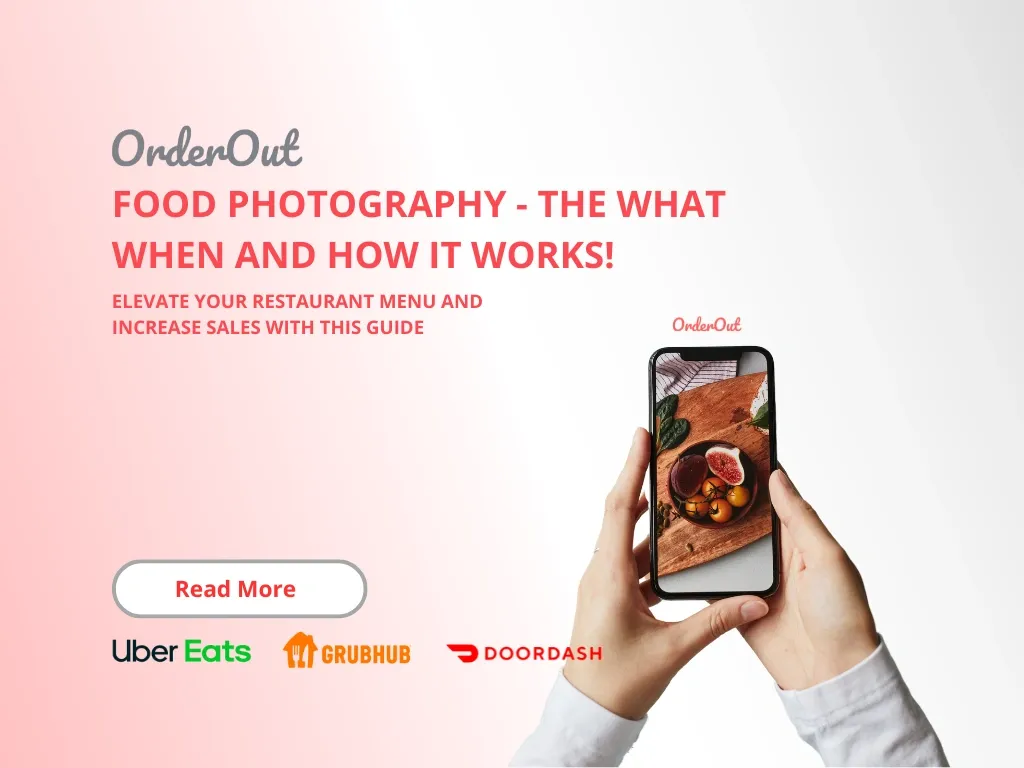
In the competitive landscape of the culinary world, where the presentation is as crucial as taste, food photography has emerged as an indispensable tool for restaurants to entice diners. The fusion of art and gastronomy captured through the lens has the power to elevate restaurant menus, evoke cravings, and ultimately boost sales. In this comprehensive guide, we delve into the nuances of food photography, exploring composition techniques, lighting essentials, and the strategic integration of imagery into menus to maximize its impact on restaurant branding and consumer behavior.
The Evolution of Food Photography
With the proliferation of smartphones equipped with advanced cameras and the rise of social media platforms dedicated to food culture, food photography has experienced a renaissance. Gone are the days when food imagery was confined to cookbooks and culinary magazines; today, it dominates our digital landscape, captivating audiences worldwide with tantalizing visuals of gastronomic delights. This democratization of food photography has empowered both amateur enthusiasts and professional photographers to showcase culinary creations with unprecedented accessibility and creativity.
Composition Tips for Captivating Food Photos
Lighting and Background
Lighting is the cornerstone of food photography, dictating the mood, texture, and visual appeal of the final image. Natural light, preferably diffused through sheer curtains or window panes, is ideal for capturing the vibrant colors and intricate details of food. However, artificial lighting sources, such as softboxes or LED panels, can be strategically employed to augment or supplement natural light, especially in indoor settings or low-light conditions. You may also experiment with backlighting or sidelighting to potentially accentuate textures and create captivating visual contrasts, adding depth and dimension to food photos.
When selecting a background for food photography, simplicity is key. Opt for clean, uncluttered surfaces or complementary textures that accentuate the focal point—the food itself. Neutral backgrounds, such as rustic wooden boards, marble countertops, or matte surfaces, provide an elegant backdrop that highlights the vibrancy and freshness of the dish without overshadowing its essence.
Rules of Thirds
The Rule of Thirds is a fundamental compositional principle that divides the frame into a grid of nine equal segments, intersecting at four strategic points. By aligning key elements of the composition with these gridlines or their intersections, photographers can create visually engaging images that draw the viewer’s eye and evoke a sense of balance and harmony.
In the context of food photography, applying the Rule of Thirds can elevate the visual impact of culinary creations, guiding the viewer’s gaze to the most appetizing elements of the dish. Whether it’s positioning the main course at the intersection of gridlines or framing garnishes along the rule lines, this compositional technique lends a sense of dynamism and intrigue to food photos, enticing viewers to savor every detail.
Other Composition Techniques
Beyond the Rule of Thirds, food photographers can explore a myriad of composition techniques to enhance the visual appeal and storytelling potential of their images. Framing, for instance, involves using surrounding elements—such as utensils, foliage, or props—to create a natural frame that draws attention to the main subject. By strategically incorporating framing elements, photographers can add depth and context to food photos, inviting viewers to immerse themselves in the culinary narrative.
Additionally, perspective and depth of field play crucial roles in shaping the visual narrative of food photography. Experimenting with different angles—whether it’s overhead shots, close-ups, or dynamic viewpoints—allows photographers to capture the essence of the dish from diverse perspectives, revealing its texture, form, and culinary artistry. Similarly, manipulating depth of field through aperture control can accentuate the focal point while artfully blurring background elements, creating a sense of depth and visual intrigue.

Showcasing Culinary Delights - Integrating Images into Menus
The strategic integration of food imagery into menus can profoundly influence consumer perceptions and purchasing behavior, serving as a powerful marketing tool for restaurants to showcase their culinary offerings and entice diners. Research suggests that high-quality images of signature dishes can enhance their perceived value and desirability, prompting patrons to indulge in premium culinary experiences.
Furthermore, the appropriateness and authenticity of food imagery play pivotal roles in shaping customer expectations and satisfaction levels. By featuring images that align with the restaurant’s brand identity and culinary ethos, establishments can cultivate a sense of trust and anticipation among diners, fostering loyalty and repeat business.
Increasing Appetite and Sales - Harnessing Visual Appeal
The visual allure of food photography extends beyond mere aesthetics; it has the potential to stimulate appetite, evoke emotional connections, and drive consumer engagement. Studies have shown that high-quality food imagery elicits stronger emotional responses and cravings among viewers, compelling them to seek out the depicted culinary experiences.
In today’s digital age, where social media platforms serve as virtual stages for culinary exploration and discovery, captivating food photography plays a pivotal role in shaping consumer perceptions and dining decisions. By curating visually compelling content across digital channels—from Instagram feeds to restaurant websites—establishments can cultivate a strong online presence, attract new patrons, and foster meaningful connections with their audience.
Conclusion - Crafting Culinary Narratives Through Food Photography
In conclusion, food photography transcends its role as a visual medium; it serves as a powerful storytelling tool that encapsulates the essence of culinary craftsmanship and culinary experiences. Through careful composition, lighting mastery, and strategic integration into menus and marketing materials, restaurants can elevate their brand image, stimulate appetites, and drive sales. By harnessing the transformative power of food photography, establishments can invite diners on a visual journey of gastronomic delights, enticing them to savor the flavors and experiences that define their culinary identity.