
Your Guide to Fast Casual Franchises
· Thibault Le Conte
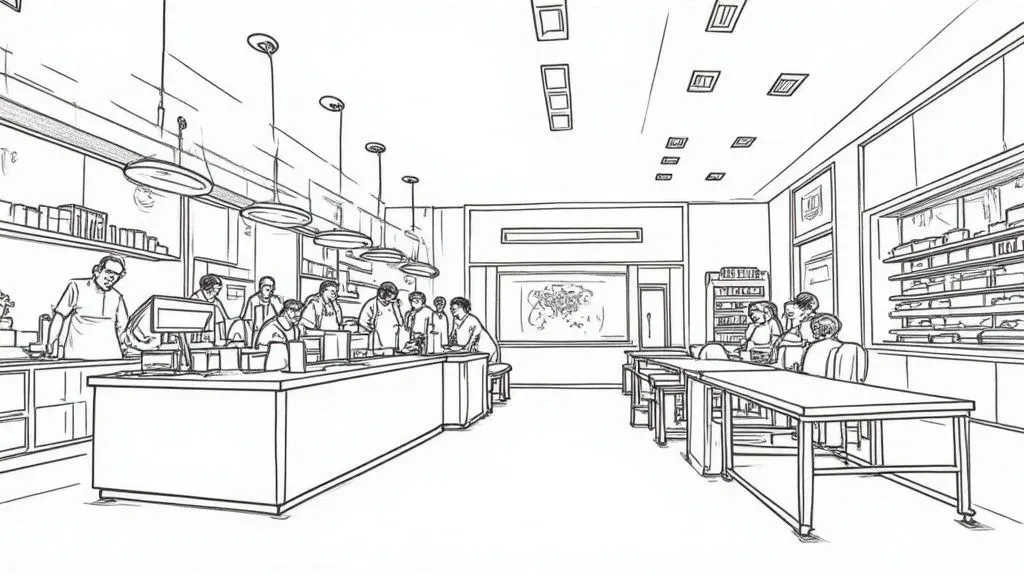
Think about the last time you wanted a really good meal, but didn’t have time for a full sit-down dinner. You probably ended up at a fast casual restaurant. This powerful business model perfectly blends the quick service of a fast-food joint with the higher-quality food and atmosphere of a casual dining spot.
In simple terms, fast casual gives customers fresh, customizable meals, fast. Technically, it’s a hybrid approach that keeps restaurant operations lean and prices reasonable, hitting that perfect sweet spot for modern diners. For a restaurant owner, this model matters because it’s built for high volume and efficiency, which directly impacts your bottom line.
What Makes a Fast Casual Franchise Tick?
Fast casual isn’t just a buzzword; it’s a specific and incredibly successful niche in the restaurant world. It carves out a space right between the drive-thru lane and the full-service dining room. You get better ingredients and a more welcoming vibe than a typical QSR, but without the time commitment or cost of a waiter taking your order.
This unique combination is why the market is booming. The U.S. fast casual sector was valued at a hefty $45.58 billion and is expected to rocket to $84.76 billion by 2034. It’s not just a trend; it’s a reflection of what people want. In fact, 40% of diners say they eat at fast casual places more than any other type of restaurant.
This visual really captures how fast casual combines the best of both worlds.

As you can see, it’s all about mixing fresh ingredients and a nice setting with a quick, efficient counter-service line.
To get a clearer picture, let’s look at how fast casual stacks up against its neighbors in the food industry.
Fast Casual Compared to Other Restaurant Models
Attribute Fast Food Fast Casual Casual Dining Service Model Counter service, drive-thru focus Counter service, made-to-order Full table service Food Quality Pre-cooked, standardized Fresh, high-quality ingredients Fresh, complex dishes Customization Limited High (build-your-own is common) Moderate (some substitutions) Price Point $ $$ $$$ Atmosphere Basic, functional Modern, inviting, comfortable Relaxed, full dining experience Speed Fastest Fast Slower, leisurely pace
This table shows just how distinct the fast casual model is. It’s not trying to be the cheapest or the most elaborate—it’s built to be the best-value combination of quality, speed, and experience.
Key Restaurant Operations Characteristics
The heart and soul of fast casual is the made-to-order, customizable meal. Think about places like Chipotle or Cava where you walk down the line and pick your ingredients. This isn’t an accident. Nearly 80% of diners actively want the ability to customize their orders, and this model delivers it perfectly.
For an owner, this means your menu needs to be both delicious and incredibly efficient. If you want to dive deeper, you can explore our guide on the essential menu elements for restaurants.
At its core, fast casual is about giving customers control. They choose their ingredients and watch their meal get made, which builds trust and satisfaction while keeping kitchen workflows simple and fast. This streamlined process is a huge win for restaurant efficiency.
This focus on customization doesn’t just make customers happy; it also makes the business run smoother. A modern POS system is crucial for handling these custom orders without slowing down the line. For example, popular systems like Clover or Square are designed to process complex orders quickly, which reduces errors, increases staff productivity, and ultimately saves you money on remakes and labor.
The Bottom Line
Getting a handle on these key traits is your first step. Fast casual franchises win by offering incredible value—better food, a nicer place to eat, and the freedom to make it your own—all wrapped up in a highly efficient and profitable business model.
The Strategic Advantages of a Franchise Model
Why go with a franchise instead of starting your own restaurant from scratch? It really boils down to minimizing risk and getting a massive head start. When you invest in an established fast casual brand, you’re not just buying a name; you’re buying a proven playbook for success.
Think about it: the business model has already been tested, tweaked, and proven profitable. That alone can put you years ahead of an independent owner who’s still figuring things out through trial and error. You also get instant brand recognition, which means customers already know and trust you before you even open your doors. That’s an asset that can take an independent restaurant years and a small fortune to build.
Built-in Systems for Smoother Restaurant Operations
Beyond the recognizable logo, you’re handed a complete support system. We’re talking about everything from standardized staff training and marketing campaigns to a dialed-in supply chain. This lets you focus your energy on what matters most—running the day-to-day business and making sure your customers are happy.
The franchisor handles the heavy lifting of brand development and big-picture strategy. Your job is to execute the plan, not invent it from scratch, which creates a much clearer path to profitability with fewer expensive bumps in the road.
The core advantage of a franchise is operational efficiency. You’re not just buying a brand; you’re buying a complete, fine-tuned system for success, from procurement to point of sale.
For example, many fast casual franchises have pre-negotiated deals for their restaurant technology, including their POS system. As a new franchisee, you might walk into a location with a fully configured Square terminal, pre-loaded with the official menu and pricing. This is a huge time-saver. It can save you weeks of setup headaches and prevent costly configuration mistakes, ensuring your tech is optimized for maximum efficiency from day one.
Breaking Down Your Initial Investment Costs

Before you can even think about opening day, you need to get real about the money involved. The first number everyone sees is the initial franchise fee. Think of this as your ticket to the show—it gives you the right to use the brand’s name, recipes, and playbook.
But that fee? It’s just the tip of the iceberg. A huge chunk of your startup capital will be spent on finding the right spot and building it out.
Core Startup Expenses
Beyond that initial check you write to the franchisor, there are several other big-ticket items you’ll need to cover. These are the foundational costs that turn an empty space into a functioning restaurant.
- Real Estate and Build-Out: This is often the single biggest expense. It covers everything from your lease deposit to the construction and renovation required to match the brand’s specific look and feel.
- Kitchen Equipment: You can’t just buy any old oven. The franchisor will have a mandatory list of equipment—grills, fryers, walk-in coolers—to ensure every location makes the food exactly the same way.
- Initial Inventory: This is your first big grocery run. It’s all the food, drinks, and packaging you need to get through your opening weeks.
- POS System & Food Tech: A solid point-of-sale system is the brain of your operation. Investing in reliable food tech, like Clover or Square, is non-negotiable for keeping things running smoothly and integrating with other crucial systems like restaurant delivery platforms.
A clear grasp of your financial landscape is essential for building a solid business plan. Accurately projecting these costs helps you avoid cash flow problems and sets a strong foundation for long-term success.
Ongoing Financial Commitments
Once you’re open for business, the financial picture changes from one-time costs to recurring ones. These are the expenses that keep the lights on and maintain your good standing with the franchise.
The big one here is the royalty fee. This is almost always a percentage of your gross sales that you pay to the franchisor, usually every week or month. On top of that, you’ll likely contribute to a shared marketing fund for national ad campaigns and promotions. To really wrap your head around these numbers, checking out a comprehensive guide to royalties for franchises is a smart move.
Properly managing these ongoing expenses is just as crucial as funding the startup. A good restaurant profit margin calculator can be an invaluable tool for staying on track.
By mapping out every cost—both upfront and ongoing—you’ll be in a much stronger position to talk to lenders and make a truly informed decision before signing on the dotted line.
How Restaurant POS Integration Can Supercharge Your Efficiency
In the fast casual world, food tech isn’t just a nice-to-have; it’s the engine that runs your entire operation. For new fast casual franchises, a major challenge is managing the flood of orders from third-party apps like DoorDash and Uber Eats. This is where a direct restaurant POS integration becomes your secret weapon for efficiency.
In simple terms, instead of juggling multiple tablets for each delivery service, a POS integration combines them all into one system. Orders from every platform flow directly into your main point-of-sale. For a restaurant operator, this means no more manually re-punching orders from a tablet into your POS, a process that is slow, chaotic, and a perfect recipe for mistakes.
From Chaos to Control in Your Restaurant Operations
Technology like OrderOut acts as a smart bridge, connecting all those different restaurant delivery apps directly to your central POS. So, whether you’re running on Clover or Square, online orders show up automatically and fire straight to the kitchen printer.
This single change has a massive ripple effect on staff productivity and error reduction:
- Saves Time: Your team isn’t wasting minutes re-typing orders. This can save dozens of labor hours each week, which translates directly to cost savings. They can focus on making great food and helping in-store customers.
- Cuts Down on Mistakes: Automating order entry eliminates the human errors that lead to wrong meals and wasted food. This error reduction means happier customers and lower food costs.
- Speeds Up Service: Orders hit the kitchen the second they come in from DoorDash or Uber Eats. This means faster ticket times, which keeps delivery drivers and hungry customers happy.
Think of POS integration as the ultimate decluttering tool for your workflow. It automates a messy, high-stakes process, giving you the control you need to run a lean, profitable, and less stressful restaurant.
This kind of efficiency is non-negotiable, especially with today’s market trends. While 61% of fast casual operators have had to raise menu prices, customer demand is holding strong, with nearly 40% of diners eating fast casual regularly. Automation helps you meet that demand without burning out your staff. You can dive deeper into these industry trends in this restaurant statistics report. To really get a handle on how this all works under the hood, check out our guide on how point of sale integrations improve efficiency.
The Clear Takeaway
For any fast casual franchise owner, connecting your delivery apps to your POS system isn’t a luxury—it’s a must-have for survival and growth. This simple piece of automation leads directly to bigger profits, a happier team, and customers who keep coming back for more.
Taking a Page from the Playbook of Successful Fast Casuals
To really get a handle on what makes the best fast casual franchises tick, it helps to look at the strategies they’ve mastered. Their success isn’t an accident; it’s usually built on a killer operational model and a brand identity that people connect with.
The Assembly-Line Model
Think about the brands that let you walk down the line and call the shots. This assembly-line customization model is wildly popular for a reason. Customers get to build their perfect meal from a lineup of fresh ingredients, watching it all come together. It’s a fantastic way to deliver a personalized experience at speed, keeping the line moving and customers happy, especially during that chaotic lunch rush.
The Niche-Driven Approach
Another proven strategy is to go all-in on a specific niche. This could be a laser focus on hyper-fresh, healthy ingredients or a deep commitment to sourcing everything locally. When a brand builds its entire reputation on quality and transparency, it attracts a dedicated following—people who are more than willing to pay a little extra for food they genuinely trust.
Bringing Global Flavors to the Mainstream
A third winning model is all about introducing unique ethnic cuisines to a wider audience, but in a way that feels familiar and approachable. This strategy brilliantly simplifies traditionally complex dishes into the customizable, easy-to-understand format that fast casual is known for.
No matter which path they take, the one thing all these successful brands have in common is operational excellence, often supercharged by smart technology.
By studying how different fast casual concepts win, you can find a franchise model that resonates with your own goals and skills. These brands provide a real-world blueprint for everything from menu design to workflow efficiency.
To truly compete, you have to bake modern solutions into your plan from the very beginning. Staying on top of the latest hospitality technology trends isn’t just a good idea—it’s essential for building an operation that’s ready to grow and thrive.
Your Next Steps to Owning a Franchise
Feeling fired up and ready to go? Let’s channel that energy into a clear path forward. Here’s a practical roadmap to help you get from dreaming about owning a top fast casual franchise to actually making it happen.
The first move is always to do your homework. Dig deep into franchise opportunities that not only line up with your budget but, just as importantly, get you genuinely excited. Once you’ve got a handful of contenders, the real planning can kick off.
Build a Tech-Forward Business Plan
Don’t think of technology as an add-on. Build your entire business plan around it from the very beginning. It’s far easier to plan for efficiency from the start than to try and fix operational bottlenecks after you’re already open. Putting a system in place to automate your restaurant delivery process should be at the top of that list.
Think of it this way: when you build your workflow around smart technology, you’re laying the foundation for a lean, profitable, and scalable business. Seamless POS integration isn’t just a nice-to-have; it’s the core of a modern fast casual franchise.
Juggling all the pieces of a business plan can feel overwhelming. To make sure you don’t miss a single step, lean on a comprehensive guide like our complete checklist for opening a new restaurant.
Embrace Automation Early
Imagine completely eliminating the need for your staff to manually punch in orders from Uber Eats or DoorDash. By integrating those delivery platforms directly with your POS system—whether it’s Clover or Square—you do just that.
This one move wipes out costly order errors and frees up your team, dramatically boosting staff productivity. For a high-volume fast casual spot, that kind of efficiency isn’t just helpful—it’s essential for survival and growth.
Your practical next step is to see how this technology can fit into your future franchise. You can explore how it works and start the process for free. Just head over to the OrderOut dashboard to begin the free onboarding process. It only takes a few clicks.
Your Top Franchising Questions, Answered
Jumping into the world of fast-casual franchises is a big move, and it’s smart to have questions. Let’s walk through some of the most common things aspiring owners want to know.
What’s the Real All-In Cost?
You’ll see a pretty wide range here, anywhere from under $200,000 to over $1 million. What makes the difference? It boils down to the brand’s name recognition, your specific location, and how much work the space needs.
This initial investment covers your franchise fee, all the construction, the essential kitchen gear, and your first round of inventory. For the nitty-gritty details, the Franchise Disclosure Document (FDD) is your best friend—it breaks down every single cost.
What Kind of Support Does the Franchisor Actually Provide?
Think of a good franchisor as a business partner who’s already figured out the tough stuff. They’re invested in your success and should provide a ton of support.
Typically, this includes:
- Comprehensive Training: They’ll teach you their proven, step-by-step system for running the business.
- Ongoing Guidance: You’ll have a lifeline for advice on everything from daily operations to troubleshooting.
- Supply Chain Management: They give you access to their approved suppliers, ensuring your ingredients are always top-notch and consistent.
- Marketing Power: The franchisor runs large-scale advertising campaigns that bring customers directly to you.
How Important Is Restaurant Tech for a New Franchise?
Honestly? It’s everything. A huge chunk of your orders will flow in from delivery apps like DoorDash. Trying to juggle those orders by hand is a surefire way to get overwhelmed. It’s slow, error-prone, and a massive time-sink for your team.
Integrating your restaurant delivery apps directly into your POS system is a must for survival and growth. This automation cuts down on costly mistakes, frees up your staff, and makes the whole operation smoother right from the start. This is exactly why getting set up with a system like Square or Clover is a game-changer for efficiency.
Do I Need to Be a Chef or Restaurant Veteran?
Not necessarily. Many of the best franchise brands are looking for people with strong business acumen and leadership skills, not just kitchen experience.
Their training programs are designed to get you up to speed on their specific system. So, even if you’re new to the food world, a great franchise can give you the playbook you need to succeed.
Ready to build a smart, efficient franchise from day one? With OrderOut, you can put your delivery operations on autopilot and position your business for serious growth. Visit our dashboard and start onboarding for free in just a few clicks at https://dashboard.orderout.co.