
Buffet lunch menu ideas to boost profits and efficiency in 2026
· Thibault Le Conte
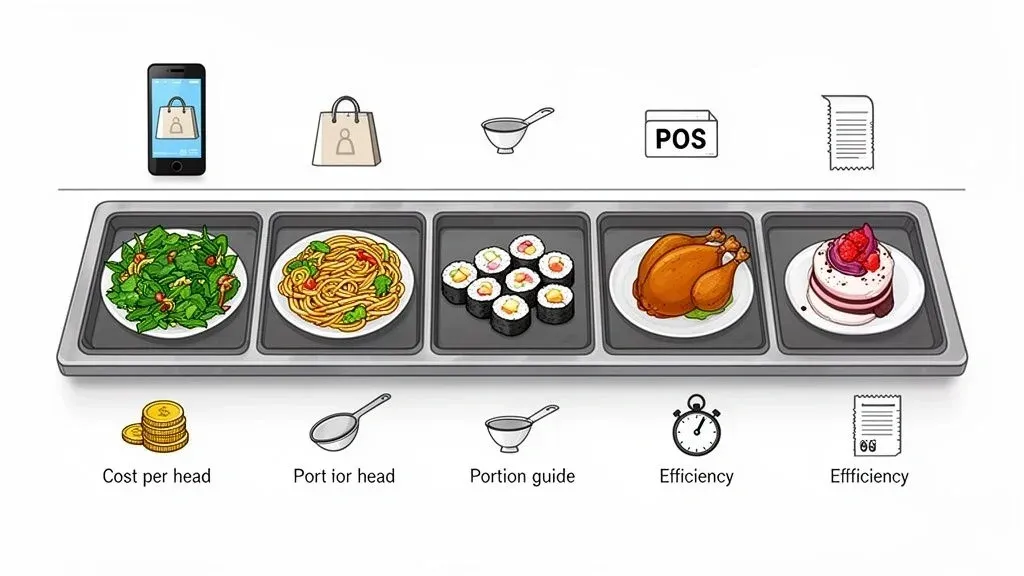
Offering a buffet lunch can feel like a high-risk game of managing food costs, predicting customer traffic, and minimizing waste. But what if your buffet wasn’t just a static display, but a dynamic, profitable engine for your entire operation, including delivery? This guide provides 10 actionable buffet lunch menu ideas designed for modern restaurants, moving beyond generic concepts to show you how to structure menus that are not only appealing to diners but are built for operational efficiency.
We will explain how each idea simplifies kitchen processes, reduces costs, and seamlessly integrates with your technology stack, specifically your delivery platforms and Point of Sale (POS) system. For restaurant owners and managers, this isn’t just about food; it’s about building a smarter, more profitable lunch service that works both in-house and for delivery. We’ll connect every idea back to tangible benefits like time savings, error reduction, and increased staff productivity, grounded in real-world examples from platforms like DoorDash and POS systems like Square.
Each concept is a blueprint for maximizing ingredient cross-utilization and creating new revenue streams. For instance, an Italian pasta bar can be enhanced with strategic up-sells. To elevate the customer experience and drive higher perceived value, consider implementing a detailed food pairing guide for red wine with steak, pasta, and BBQ. This simple addition can increase check averages and differentiate your offering. From a build-your-own bowl station to a Mediterranean mezze concept, these ideas are designed for quick implementation and immediate impact on your bottom line.
1. Build-Your-Own Bowl Station: The Ultimate in Customization and Control
A “build-your-own” bowl station is one of the most effective buffet lunch menu ideas for modern restaurants, giving customers complete control over their meal. This format lets diners choose from a selection of bases (like quinoa, mixed greens, or rice), proteins (chicken, tofu, steak), fresh vegetables, and flavorful sauces to create their perfect lunch.
This concept excels not just in-house but also for delivery and takeout, especially for restaurants using POS systems like Clover or Square. The modular nature of bowls translates perfectly into menu items with modifiers on your POS. These modifiers sync directly with choices on delivery apps like Uber Eats and DoorDash. For example, a “Spicy Chicken Bowl” can have pre-set modifiers for base, toppings, and sauce, which are then pushed to the kitchen display system (KDS) without manual entry.
Why It Matters: This direct POS integration, especially when managed by a platform like OrderOut, eliminates the need for staff to manually re-enter complex custom orders from third-party apps. This dramatically reduces order errors, speeds up kitchen prep, and ensures customers get exactly what they ordered, improving satisfaction and staff productivity.
Actionable Implementation Tips
- Offer Pre-Designed Bowls: To reduce decision fatigue for customers, create 3-4 signature bowl combinations as default menu items. This appeals to diners who prefer a quick, curated choice.
- Track Component Popularity: Use your POS sales data to identify which bases, proteins, and sauces are most popular. This insight helps you optimize inventory and refine your menu based on real customer behavior.
- Standardize Portions: Program specific portion sizes (e.g., “4oz protein,” “1 cup base”) to print on kitchen tickets or display on your KDS. This ensures consistency across all orders, whether in-person or delivery, and helps manage food costs.
- Optimize for Delivery & Ghost Kitchens: The bowl format is ideal for off-premise operations due to its easy packaging and transport. For those exploring this model, you can discover more strategies on how to build an effective ghost kitchen menu.
2. Mediterranean mezze & Shareable Platters
A Mediterranean mezze and shareable platter concept offers a vibrant, social dining experience perfect for a buffet lunch menu. This idea centers on small, flavorful plates like hummus, baba ghanoush, marinated olives, feta cheese, cured meats, and fresh pita bread. Guests can graze and create their own combinations, making it an engaging and less formal meal.
This approach translates exceptionally well to the off-premise market, where bundling is key. Instead of selling individual dips and sides, restaurants can create pre-configured “Mezze for 2” or “Family Feast” platters. These bundles are easy to manage in a POS system like Clover or Square as single menu items with a set price. This structure simplifies the ordering process for customers on DoorDash and Uber Eats, boosting the average ticket value while streamlining kitchen operations.
Why It Matters: Creating bundled platters as single SKUs (Stock Keeping Units) in your POS eliminates the “death by a thousand modifiers” problem. When an order for a “Mezze for 4” platter comes in from a delivery app, it arrives at the KDS as one clear item, not a dozen tiny ones. This prevents order confusion, reduces prep time, and ensures a consistent, high-quality product every time.
Actionable Implementation Tips
- Bundle for Higher Order Value: Create tiered platter options like “Mezze for 2” and “Party Platter for 4” as distinct items in your POS. This encourages customers to spend more and simplifies group ordering for both them and your staff.
- Use Compartmentalized Packaging: Invest in multi-compartment containers to keep wet items like hummus separate from dry items like pita and falafel. This preserves the texture and freshness of each component during delivery.
- Pre-Portion Components: During slower periods, have staff pre-portion popular items like dips, olives, and cheeses into standard-sized deli cups. This drastically speeds up assembly when a delivery order arrives, improving your ticket times.
- Analyze Component Sales: Use your POS sales data to see which individual mezze items are the most popular. Adjust the contents of your platters based on this data to maximize appeal and minimize waste. This is a core part of modern catering food trends where data drives menu engineering.
3. Protein + Sides Mix & Match: A Profitable and Flexible Plate
The “Protein + Sides Mix & Match” is a classic and highly effective buffet lunch menu idea that puts a premium spin on customization. This model lets diners build a complete plate by selecting from a core group of 3-4 premium proteins, 4-5 vegetable sides, and 2-3 starches. It offers structure while still providing a feeling of personal choice, much like the models used by rotisserie spots and upscale fast-casual brands.
This approach is particularly strong for delivery and online ordering. Restaurants can use their POS systems, like Clover or Square, to create bundled “Plate” items with modifiers. For instance, a “Lunch Plate” item can prompt a customer on Uber Eats to first choose their protein (e.g., Herb-Roasted Chicken, Grilled Salmon, BBQ Pulled Pork) and then select two sides from a checklist. This structure simplifies ordering for the customer and automates it for the kitchen.
Why It Matters: This POS-integrated bundle strategy allows for tiered pricing, which drives profitability. You can assign different prices based on the protein choice (e.g., a chicken plate is cheaper than a salmon plate) directly within the menu item’s modifiers. A platform like OrderOut ensures these tiered prices and choices sync perfectly from delivery apps to your KDS, eliminating manual price adjustments and order errors.
Actionable Implementation Tips
- Create Tiered Bundle Options: Structure your menu with clear price tiers based on protein cost. For example: a “Standard Plate” (chicken, tofu) for $12, a “Premium Plate” (steak, pork) for $16, and a “Signature Plate” (salmon, shrimp) for $20. This guides customers toward higher-margin choices.
- Set Daily Rotations in Your POS: Use your POS system to easily activate or deactivate specific proteins based on inventory or daily specials. This keeps the menu fresh and helps manage supply without needing to constantly edit the entire menu structure.
- Batch-Prep and Portion Sides: Prepare all vegetable and starch sides in large batches during off-peak morning hours. Pre-portion them into standard serving sizes to guarantee consistency and speed up assembly for both in-house buffet and delivery orders.
- Use Your KDS to Manage Inventory: Configure your kitchen display system to show real-time counts of popular proteins. If a protein is running low, staff can quickly 86 the item from the POS, preventing new orders for it and avoiding customer disappointment.
4. Asian Noodle & Rice Buffet: Boosting Restaurant Operations
An Asian-inspired noodle and rice buffet offers a familiar yet highly adaptable format that is one of the most effective buffet lunch menu ideas for broad customer appeal. This concept allows diners to mix and match bases like ramen, lo mein, or jasmine rice with a variety of proteins, vegetables, and signature sauces or broths. This approach taps into the immense popularity of brands like Panda Express and regional fast-casual Asian chains that have perfected this model for both dine-in and off-premise sales.
The modularity of this concept is a major advantage for delivery. Using a POS system from Clover or Square, each dish can be configured with clear modifiers for base, protein, and add-ons. These choices, made by a customer on DoorDash or Uber Eats, are sent directly to your kitchen display system (KDS), removing the need for staff to manually punch in orders.
Why It Matters: Automating order entry from third-party apps with a platform like OrderOut is critical for high-volume noodle and rice concepts. It prevents errors like sending the wrong sauce or forgetting a topping, which are common with manual re-entry. This boosts kitchen speed, reduces food waste from remakes, and ensures a consistent, positive customer experience every time.
Actionable Implementation Tips
- Separate Hot & Cold Components: For delivery, always package broths and noodles separately to prevent sogginess. Include simple assembly instructions for the customer to combine them upon arrival. This preserves food quality and texture.
- Create Group “Noodle Bundles”: Increase average order value by offering meal packages for 2, 4, or 6 people. These bundles can be easily programmed into your POS as a single menu item with modifiers, simplifying the ordering process for groups.
- Monitor Packaging Performance: Actively track customer feedback and reviews on delivery apps for mentions of food temperature or spills. Use this data to refine your packaging strategy, such as investing in better-insulated containers to keep items hot.
- Adapt for Off-Premise Models: The deconstructed nature of noodle bowls is perfect for delivery-focused operations. For those considering a similar high-heat, high-speed concept, explore these tips on optimizing Teppanyaki for takeout to apply similar principles.
5. Grain Bowl & Salad Bar Buffet: A Healthy & Highly Customizable Option
A grain bowl and salad bar buffet is a powerful and modern buffet lunch menu idea that caters directly to health-conscious diners. This format provides a selection of nutritious bases (like farro, barley, or wild rice), proteins, an array of fresh vegetables, nuts, seeds, and various dressings. It’s a concept proven successful by brands like Sweetgreen and Dig, who have mastered this model for both in-person dining and large-scale delivery operations.
The strength of this buffet idea lies in its easy translation to online ordering and delivery. For restaurants using a modern POS like Clover or Square, each component (base, protein, topping) becomes a simple modifier. This allows for complex custom orders on platforms like DoorDash or Uber Eats to be sent directly to your KDS without any manual data entry from your staff.
Why It Matters: Automating the order flow for highly customizable items like salads and grain bowls is critical for efficiency. Direct POS integration prevents mistakes from manual re-entry, reduces ticket times, and ensures customers receive their personalized order correctly, which is vital for building loyalty with a health-focused clientele.
Actionable Implementation Tips
- Separate Components for Delivery: Always package dressings, crunchy toppings, and wet ingredients separately to maintain quality. Consider offering pre-layered “salad jars” for a visually appealing and practical solution that prevents wilting during transport.
- Analyze Ingredient Popularity: Use sales data from your POS to track which components are the most and least popular. Understanding your restaurant menu data helps you reduce food waste by adjusting inventory for less-used items and promoting top-sellers.
- Create Corporate Catering Bundles: Partner with local businesses to offer corporate lunch packages. These recurring, high-volume orders are perfect for the grain bowl format and can create a stable revenue stream.
- Emphasize Freshness: Use delivery app descriptions to highlight freshness, such as “Prepared this morning” or “Locally sourced greens.” For cold items, include ice packs in delivery packaging to ensure temperature control and reinforce your commitment to quality.
6. Taco & Mexican Buffet Bar: Improving Restaurant Delivery
A Taco and Mexican buffet bar offers a festive, interactive, and highly profitable setup for a restaurant’s lunch service. This approach invites diners to create their own meals from a spread of proteins (like carne asada, carnitas, or seasoned jackfruit), various tortillas (soft corn, flour), and a vibrant selection of toppings, salsas, and sides. This makes it one of the most flexible and appealing buffet lunch menu ideas for diverse groups.
This model adapts exceptionally well for delivery, mirroring the success of chains like Chipotle and Taco Bell on third-party apps. Restaurants using POS systems from providers like Clover or Square can configure “Taco Kits” or “Combo Meals” as single menu items with modifiers. A “Three-Taco Combo,” for instance, can have required modifiers for protein choice and salsa type, which are sent directly to the kitchen display system (KDS) when an order comes in from DoorDash or Uber Eats.
Why It Matters: This direct POS connection, especially with an integration partner like OrderOut, automates the order flow. It prevents staff from manually inputting complex custom orders from delivery apps, which cuts down on errors, accelerates food preparation, and ensures every customer receives their personalized taco order exactly as requested.
Actionable Implementation Tips
- Create Tiered Combo Pricing: Simplify choices by offering bundled deals like “Protein + 2 Sides” or a “Taco Trio” at a fixed price. This strategy streamlines ordering for both customers and staff and can increase the average ticket size.
- Package Toppings Separately: For all delivery and takeout orders, use sturdy, compartmentalized containers to keep cold toppings (like pico de gallo and sour cream) separate from hot items. This prevents sogginess and maintains food quality during transport.
- Split Kitchen Tickets: Configure your POS to print hot and cold components on separate tickets or send them to different stations on your KDS. This allows your hot line to prepare the proteins while the cold station assembles the toppings, improving kitchen workflow.
- Expand Beyond Tacos: Increase order value by offering the same core ingredients in different formats. Add tortas (sandwiches), burritos, and burrito bowls to the menu to give customers more reasons to order and appeal to different preferences.
7. Sandwich & Sub Station Buffet: Optimizing with Food Tech
A made-to-order sandwich and sub station is a classic and highly effective buffet lunch menu idea that appeals to a broad customer base. This format allows diners to select from various breads, proteins, cheeses, fresh vegetables, and spreads, building their perfect sandwich. It’s a proven concept for attracting the quick-service lunch crowd and translates well for corporate catering.
This model is particularly strong for restaurants focused on delivery and takeout, similar to the successful models of Jimmy John’s and Firehouse Subs. Using a modern POS system from providers like Square or Clover, you can configure each sandwich with specific modifiers for every component. These choices sync directly with third-party apps like DoorDash, allowing customers to build their custom sandwich online just as they would in-store.
Why It Matters: Direct integration between your POS and delivery apps means custom sandwich orders are sent to the kitchen display system (KDS) accurately and instantly. This eliminates manual order entry, significantly cuts down on mistakes with complex orders, and helps your kitchen staff assemble sandwiches faster and more consistently, improving both customer satisfaction and operational speed.
Actionable Implementation Tips
- Offer Signature Sandwiches: Create 4-5 pre-designed signature sandwiches as default menu items. This strategy simplifies the ordering process for customers who prefer a proven combination and reduces decision fatigue during busy lunch hours.
- Introduce Combo Deals: Program half-sandwich and side combos (like soup or salad) into your POS. These lighter options are perfect for lunch customers looking for a smaller, value-driven meal and can increase average ticket size.
- Optimize for Delivery: Use wax paper wrapping for sandwiches to prevent them from becoming soggy, especially when using wet ingredients or sauces. For delivery orders, keep wet toppings and spreads in separate containers with clear assembly instructions.
- Promote Catering Platters: Market “build-your-own” sandwich platters for office lunches and group events. You can configure these platters as a single, highly profitable item in your POS, with modifiers for bread, protein, and cheese selections to accommodate large orders efficiently.
8. Indian Curry & Rice Buffet Concept: Driving High-Value Delivery Orders
An Indian curry and rice buffet is a popular and highly effective lunch menu idea, offering a rich variety of flavors that customers love. This setup typically includes 4-5 distinct curry options (like tikka masala, korma, and vindaloo), basmati rice, assorted Indian breads (naan, roti), and essential condiments. The concept excels not only for in-house dining but also drives high-value, loyal customers through delivery.
The key to adapting this buffet for off-premise orders is strong POS integration, particularly with systems like Clover or Square. By creating bundled meals like “Curry Combo for Two,” you can set up modifiers for curry choices, spice levels, and bread selections. These selections from DoorDash or Uber Eats flow directly to your kitchen display system (KDS), ensuring complex orders are prepared accurately without manual data entry.
Why It Matters: Proper component separation and temperature control are critical for Indian food delivery. Integrating your POS with a system like OrderOut allows you to manage these complexities automatically. Modifiers can ensure curries and rice are packaged separately, and kitchen tickets can include reminders for insulated packaging, protecting food quality and customer satisfaction.
Actionable Implementation Tips
- Offer Spice Level Modifiers: Add “Mild,” “Medium,” and “Hot” as standard POS modifiers for each curry. This simple customization broadens your audience and allows you to track customer preferences for personalized marketing.
- Bundle Items into Combos: Create pre-set family-style meals or individual combos (e.g., “1 Curry, Rice & Naan”). These bundles increase the average order value and simplify the ordering process for customers.
- Standardize Hot-Holding Procedures: Use heavy-duty, insulated containers designed to keep curries above 160°F during transit. Add notes to your POS item descriptions that print on kitchen tickets, reminding staff of specific packaging protocols.
- Track Component Popularity: Use sales data from your POS to identify which curries and breads are top-sellers. This information is crucial for optimizing inventory, reducing waste, and focusing your menu on proven winners.
9. Rotisserie & Grill Buffet: A POS Integration Blueprint
A protein-focused buffet featuring rotisserie chicken, grilled meats, or smoked brisket positions your restaurant as a premium casual destination. This concept, centered on high-quality main courses, is an excellent buffet lunch menu idea that attracts diners looking for a satisfying meal and carries strong margins when managed effectively. Successful models include the delivery scaling of brands like Pollo Campero and Nando’s, which have built entire concepts around this protein-centric format.
This buffet style translates exceptionally well to online ordering and delivery. By setting up your proteins in different portion sizes, such as “Individual Portion” and “Family Meal,” directly in your Clover or Square POS, you can cater to both single diners and larger groups. These options appear as clear choices on third-party apps like DoorDash, allowing customers to easily build a full meal with sides and sauces, boosting the average order value.
Why It Matters: Integrating these bundled and portioned items through a platform like OrderOut automates the entire process. A “Family Chicken Meal” order from Uber Eats, complete with specific side selections, is pushed directly to the KDS. This removes manual entry, prevents costly errors with high-value protein orders, and frees up staff to focus on food quality and service.
Actionable Implementation Tips
- Create Tiered Meal Bundles: Offer combo meals that bundle a protein with two or three sides and bread. Program these as single menu items with modifiers for the sides to simplify the ordering process and provide a clear value proposition.
- Develop Corporate Catering Packages: Design “Feeds 4-8” or “Feeds 10-12” packages specifically for business lunches. These recurring B2B orders can become a stable revenue stream.
- Use Premium Packaging: For delivery, use insulated packaging to maintain temperature. This small investment reinforces the premium quality of the meal and justifies a higher price point. For more ideas on structuring this menu, explore effective strategies for a modern BBQ menu.
- Offer Flavor Variations: Provide marinated and sauced protein options as add-ons or separate items. This increases perceived value and allows for easy menu diversification without overhauling your core inventory.
10. Italian Pasta & Risotto Bar Buffet
An Italian Pasta & Risotto Bar is a fantastic buffet lunch menu idea, tapping into universal comfort food cravings. This setup allows diners to mix and match pasta shapes (like penne, fusilli, and fettuccine), gnocchi, and creamy risotto with a selection of classic sauces. For those looking to offer classic Italian comfort food, an Italian Pasta & Risotto Bar buffet is an excellent choice. Consider including a variety of delicious various pasta dishes to cater to all tastes.

This concept translates exceptionally well to delivery, mirroring the success of fast-casual Italian chains that adapted during the pandemic. By configuring sauce options (marinara, alfredo, pesto) as modifiers in your POS system, like Clover or Square, you can automate custom orders from apps like DoorDash. A customer choosing “Penne with Alfredo” sends a clear, pre-formatted ticket directly to the KDS, reducing guesswork and errors.
Why It Matters: For pasta, order accuracy is key to a good delivery experience. Direct POS integration ensures that custom sauce, protein, and side choices are captured perfectly, preventing costly mistakes and negative reviews. This automation is vital for handling complex family bundles and individual orders with precision, freeing up staff from manual entry.
Actionable Implementation Tips
- Separate for Quality: For delivery, always package pasta and sauces separately. This prevents sogginess and allows customers to combine them fresh. Include simple reheating instructions for the best experience.
- Bundle for Value: Create bundled deals such as “Pasta for Two” or family-sized meal combos that include garlic bread and a side salad. This increases the average order value and simplifies choices for customers.
- Control Portions: Use your POS to specify and track individual portions for pasta, sauce, and proteins. This maintains consistency, controls food costs, and guarantees that delivery orders are just as generous as in-house servings.
- Offer Premium Choices: Add a fresh, house-made pasta or a premium sauce like bolognese as an upcharge modifier. This allows you to cater to different price points and showcase your kitchen’s specialty skills.
10 Buffet Lunch Menu Concepts Compared
Item Implementation Complexity 🔄 Resource Requirements ⚡ Expected Outcomes 📊⭐ Ideal Use Cases 💡 Key Advantages ⭐ Build-Your-Own Bowl Station Medium — POS setup + staff training 🔄 Moderate — varied ingredients, portion controls ⚡ Higher AOV, reduced waste, consistent customization 📊⭐ Fast-casual health concepts; multi-channel delivery High customization, profitable add-ons, quick assembly Mediterranean Mezze & Shareable Platters Low–Medium — bundling & packaging focus 🔄 Moderate — many small components, compartment packaging ⚡ Increased AOV, photogenic listings, strong group orders 📊⭐ Catering, family meals, app-visible offerings High margins, minimal cooking, strong upsell potential Protein + Sides Mix & Match Low — grid/menu-tier setup 🔄 High — multiple proteins, prep stations ⚡ Premium perception; repeat visits; strong corporate appeal 📊⭐ Business lunches, corporate catering, lunch plates Clear tiered pricing, straightforward ordering, easy upsells Asian Noodle & Rice Buffet Concept High — specialized cooking, temp control 🔄 High — wok/boil equipment, hot-packaging solutions ⚡ Strong demand, high volume throughput, good broth margins 📊⭐ Lunch/dinner high-volume delivery; noodle lovers Familiar ordering model, scalable hot-pack solutions, seasonal menus Grain Bowl & Salad Bar Buffet Low — cold-chain and POS tagging 🔄 Moderate — fresh produce, cold logistics ⚡ Health-market traction, premium pricing, batch prep efficiency 📊⭐ Wellness-focused diners, corporate wellness programs No hot holding, long prep windows, dietary flexibility Taco & Mexican Buffet Bar Low–Medium — toppings stations & portioning 🔄 Moderate — tortillas, salsas, compartment trays ⚡ Broad appeal across dayparts, durable delivery performance 📊⭐ Casual dining, high-frequency orders, flexible dayparts Familiar customization, delivery-resilient components, easy scaling Sandwich & Sub Station Buffet Low — simple assembly and combo configs 🔄 Moderate — breads, cold-chain meats/cheeses ⚡ High frequency orders, reliable delivery logistics, competitive market 📊⭐ Lunch crowd, delivery-first shops, catering platters Strong familiarity, fast assembly, effective combo pricing Indian Curry & Rice Buffet Concept Medium–High — spice control & hot retention 🔄 Moderate–High — sauces, insulated packaging, skilled cooks ⚡ High AOV, repeat customers, strong family/catering demand 📊⭐ Family meals, group orders, spice-preference customers Sauces improve with time, premium pricing, veg-friendly options Rotisserie & Grill Buffet (Protein-Focused) High — specialized equipment & timing 🔄 High — rotisserie/grill, larger protein inventory ⚡ Premium margins, strong differentiation, catering appeal 📊⭐ Premium-casual, protein-focused diners, catering High-margin proteins, aroma/visual marketing, durable delivery quality Italian Pasta & Risotto Bar Buffet Medium — sauce/pasta separation & reheating 🔄 Moderate — sauces, thermal packaging, portion controls ⚡ Comfort-food appeal, family combos, faster quality degradation 📊⭐ Family meals, comfort-food seekers, group orders Familiar menu, batchable sauces, premium perception
Your Next Step: From Ideas to Integrated Operations
We’ve explored a wide range of buffet lunch menu ideas, from a build-your-own taco bar to a sophisticated Mediterranean mezze spread. The core lesson is that a successful buffet isn’t just about delicious food; it’s about smart, efficient, and profitable execution. Each concept, whether a grain bowl station or an Indian curry bar, presents an opportunity to restructure your operations for maximum efficiency, both for in-house dining and for the booming delivery market. The true power behind these menus lies not just in the recipes, but in how you build them within your operational framework.
The most critical takeaway is the shift from manual processes to integrated systems. A modern restaurant cannot afford the chaos and cost of managing multiple, disconnected ordering tablets. Every missed order, every manual entry error, and every minute your staff spends juggling devices from DoorDash or Uber Eats is a direct hit to your bottom line. Integrating these platforms directly into your restaurant POS is the single most important step toward building a scalable and resilient business model.
Bridging Menu Creativity with Operational Reality
The buffet lunch menu ideas shared in this article are designed for this new reality. They lean heavily on batch preparation, cross-utilization of ingredients, and modular assembly. This approach naturally reduces food waste and simplifies kitchen workflow. But to fully capitalize on these benefits for delivery and takeout, your technology must match your menu’s intelligence.
- Structure for Success: Concepts like the “Protein + Sides Mix & Match” or the “Italian Pasta & Risotto Bar” are perfect for creating digital bundles and modifiers in your POS. Instead of a single, flat menu item, you create a customizable experience for the customer that is clear, structured, and easy for your kitchen to execute.
- POS as Your Central Hub: When an online order is placed, it should flow directly into your POS and print in the kitchen, just like an in-house ticket. This eliminates the need for a staff member to act as a human data-entry clerk, re-punching orders from a tablet into your system. This one change dramatically reduces order errors and frees up your team to focus on food quality and customer service.
- Real-World Integration: For restaurants using a POS like Square, integrating delivery services means orders appear on the same screen your staff already uses. This unified workflow prevents the common scenario where a frantic employee misses a new order alert on a tablet stashed in a corner, leading to a late delivery and a negative customer review. Similarly, with a Clover POS, direct integration ensures that menu changes, item availability (like 86’ing a sold-out item), and pricing are updated across all platforms from one central point, preventing customer frustration and order cancellations.
The True Cost of Inefficiency
Failing to integrate your systems creates hidden costs that go far beyond the obvious. It strains your staff, increases the likelihood of costly mistakes, and creates a ceiling on how much delivery volume you can handle. You end up spending more on labor to manage the chaos, losing revenue on incorrect orders, and damaging your brand’s reputation with every late or inaccurate delivery.
Key Insight: The best buffet lunch menu ideas are those that are not only appealing to customers but are also designed for seamless operational and digital integration. Your menu should be an asset that works with your technology, not against it. By connecting your delivery apps to your POS, you turn a point of operational friction into a source of streamlined revenue.
The path from a creative menu concept to a profitable, high-volume operation is paved with smart integration. It’s about making a deliberate choice to build a system where technology supports your team, protects your profits, and prepares your business for future growth.
Ready to stop juggling tablets and start building a more efficient, profitable restaurant? Start onboarding for Free in a few clicks at https://dashboard.orderout.co.