
10 Best Restaurant Manager and Leader traits + 5 behaviors to avoid
· Thibault Le Conte
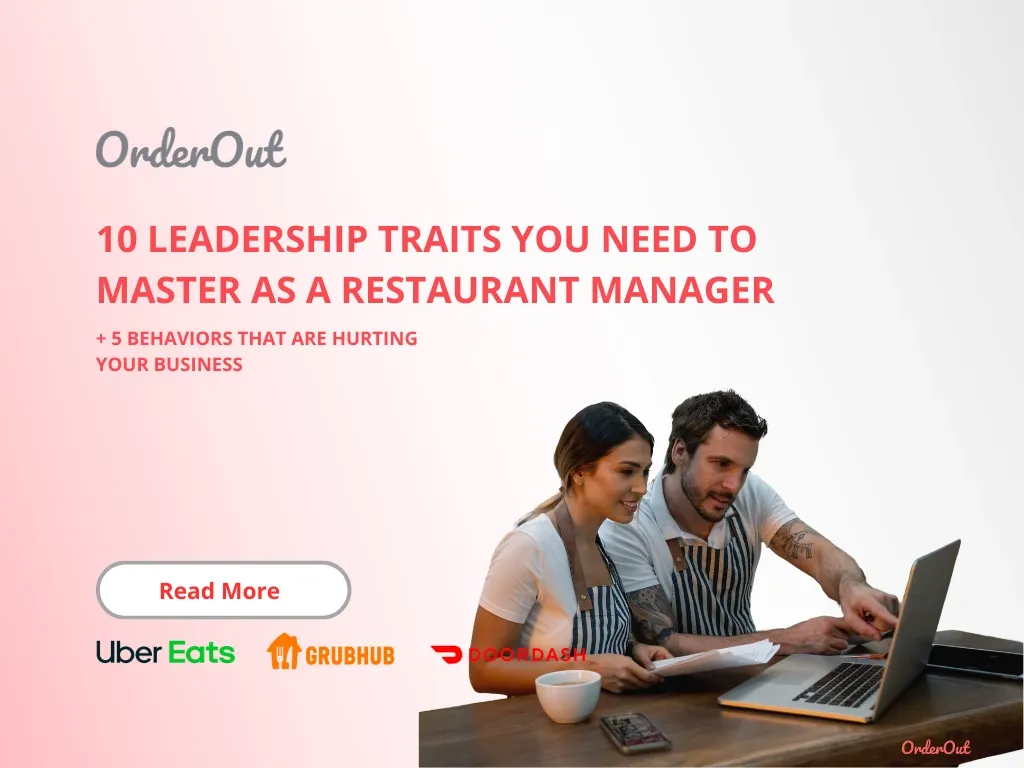
What is the main difference between management and leadership?
Management involves handling tasks, processes, and resources to achieve specific goals through planning, organizing, coordinating, and controlling operations. Managers execute strategies, allocate resources, and maintain authority over subordinates to ensure tasks are completed efficiently and effectively, often focusing on short-term objectives. Leadership, on the other hand, revolves around inspiring, influencing, and guiding individuals or teams toward a shared vision or goal. Leaders inspire others through their actions, values, and interpersonal skills, regardless of formal authority, and emphasize long-term strategic goals, organizational culture, and continuous improvement. While management focuses on tasks and efficiency, leadership inspires and guides people toward a common purpose, with both being essential for organizational success.
Good leaders who manage teams possess a diverse set of traits and qualities that enable them to inspire, motivate, and guide their team members toward achieving common goals.
Here are some important traits of effective leaders:
- Strong Leadership Skills: A great restaurant manager should be able to inspire and motivate their team to perform at their best. They should lead by example, set clear expectations, and provide guidance when needed.
- Excellent Communication Skills: Effective communication is crucial in a restaurant environment. Managers need to communicate clearly with both their team members and customers to ensure smooth operations and customer satisfaction.
- Problem-Solving Abilities: In a fast-paced environment like a restaurant, problems are bound to arise. A great manager should be able to think quickly on their feet and find solutions to issues as they arise, whether it’s a customer complaint, staffing issue, or supply chain problem.
- Organizational Skills: Managing a restaurant involves juggling multiple tasks and responsibilities. A great manager should be highly organized and able to prioritize tasks to ensure that everything runs smoothly.
- Customer Focus: Ultimately, the success of a restaurant depends on its ability to provide a great experience for customers. A great manager should be customer-focused, always striving to meet and exceed customer expectations.
- Team Building Skills: Building a strong team is essential for the success of any restaurant. A great manager should be able to recruit, train, and develop their team members to ensure that they are skilled, motivated, and aligned with the restaurant’s goals.
- Financial Acumen: Successful restaurant managers understand the financial aspects of the business, including budgeting, cost control, and revenue management. They should be able to analyze financial data and make decisions that contribute to the restaurant’s profitability.
- Adaptability: The restaurant industry is constantly evolving, and a great manager should be able to adapt to changes in trends, technology, and customer preferences.
- Empathy and Emotional Intelligence: A great manager should be able to understand and empathize with both their team members and customers. They should be able to manage conflicts effectively and provide support when needed.
- Passion for Hospitality: Finally, a great restaurant manager should have a genuine passion for hospitality and a commitment to providing an exceptional dining experience for every customer. This passion and enthusiasm are contagious and can help motivate the entire team to excel.
While focusing on positive traits is important, it’s equally crucial for restaurant managers to be aware of traits or behaviors that could hinder their effectiveness. Here are five traits or behaviors to be avoided by good restaurant managers:
- Micromanagement: Constantly hovering over employees, nitpicking their work, and not allowing them the autonomy to do their jobs can create resentment and hinder productivity. Good managers trust their team members and provide guidance and support without micromanaging every detail.
- Poor Communication: Ineffective communication can lead to misunderstandings, mistakes, and conflicts within the restaurant. Managers should strive to communicate clearly and openly with both their team members and customers, ensuring that everyone is on the same page.
- Lack of Accountability: A good manager takes responsibility for their actions and holds themselves and their team members accountable for their performance. Avoiding blame-shifting or making excuses is essential for fostering a culture of accountability within the restaurant.
- Resistance to Change: The restaurant industry is constantly evolving, and managers who are resistant to change can hinder the restaurant’s ability to adapt and thrive. Good managers embrace change, encourage innovation, and are open to trying new ideas to stay competitive.
- Inflexibility: Rigidity and inflexibility can stifle creativity and prevent the restaurant from responding effectively to customer needs and preferences. Good managers are flexible and adaptable, willing to adjust processes, policies, and strategies as needed to meet evolving demands.
By embodying these positive traits and qualities, good restaurant managers can inspire their team members, foster a positive work environment, and drive success and innovation within their organization. If you want to dig a little deeper into the Admin Perspective of Restaurant Management, visit our blog to learn more!